



Tragedy Strikes During Peace Education Trip Off Okinawa Coast
Fatal Boat Capsizing Claims Two Lives at Controversial Military Base Site
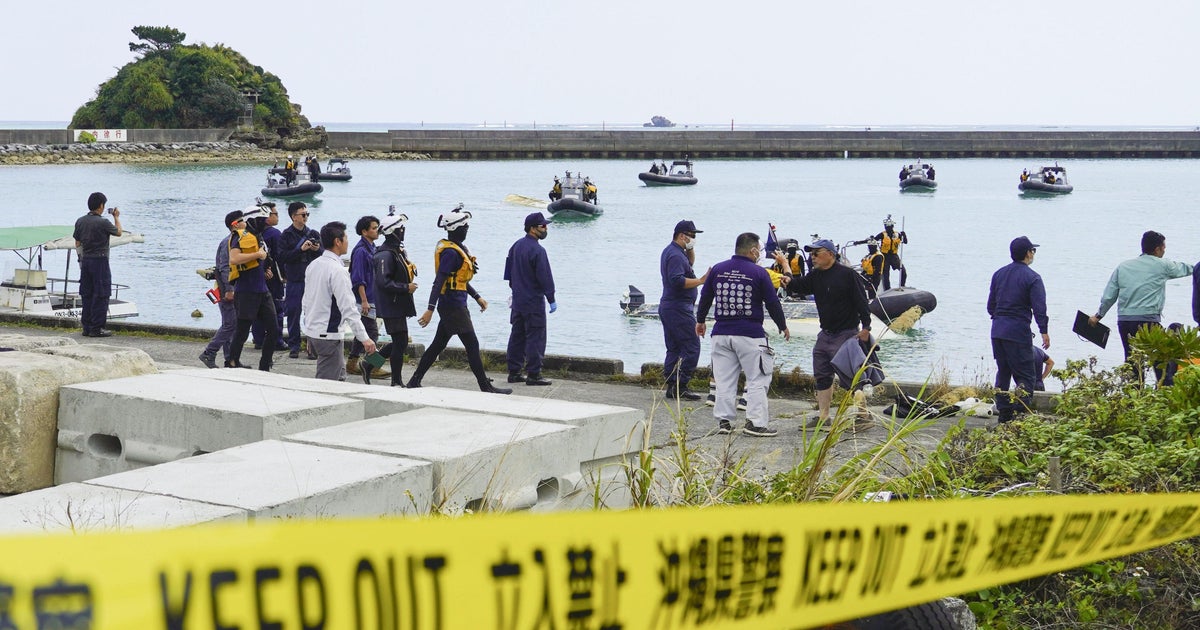
A school field trip turned into tragedy on Monday morning when two boats carrying high school students capsized near Henoko, a contentious location off the coast of Okinawa, Japan’s southernmost island prefecture. The incident, which occurred around 10 a.m. local time, resulted in all 21 people aboard being thrown into the ocean. Despite swift rescue efforts by the Japan Coast Guard, two lives were lost: a 17-year-old female student from Kyoto and the captain of one of the vessels. The accident has cast a shadow over what was meant to be an educational journey to learn about peace and the complex history of U.S. military presence in the region. The tragedy unfolded at a location that has long been at the center of heated debate between local Okinawan residents and the Japanese government regarding the relocation of American military facilities.
The Incident and Immediate Response
According to the Japan Coast Guard, the group consisted of 18 students from a Kyoto high school who were participating in a peace education program, along with three crew members operating the two boats. Ten students were aboard the larger vessel, Heiwa Maru, while eight students traveled on the smaller boat, Fukutsu. The purpose of their visit was to observe and learn about the Henoko area, which has become a focal point in discussions about U.S. military presence in Japan and the ongoing debates about base relocation. When the boats capsized approximately half a mile east of Henoko, coast guard rescuers responded quickly and managed to pull all 21 individuals from the water. Tragically, despite these prompt rescue efforts, both the teenage student and the Fukutsu’s captain were later pronounced dead at medical facilities. Two other individuals sustained injuries in the incident, though officials confirmed their conditions were not life-threatening, offering some relief amid the devastating news.
Circumstances Surrounding the Accident
The circumstances of the capsizing have raised questions among investigators and the public alike. A coast guard official speaking to Agence France-Presse revealed that the teenage victim had been wearing a life jacket at the time of her death, underscoring the severity of the conditions that led to this tragedy. Perhaps most puzzling to investigators is that despite a high-wave advisory being in effect for Okinawa at the time, officials reported that the water conditions were not particularly rough when the boats went down. Additionally, there were no apparent signs that the two vessels had collided with each other, eliminating one potential cause from immediate consideration. The lack of obvious external factors has made determining the exact cause of the capsizing more challenging for coast guard officials, who have launched a full investigation into the incident. Weather conditions, boat maintenance, the distribution of weight aboard the vessels, and the experience of the crew are all likely to be examined as investigators work to understand how this peaceful educational excursion turned deadly.
Henoko: A Site of Ongoing Controversy
The location where this tragedy occurred is far from arbitrary in Japan’s modern political landscape. Henoko has been at the epicenter of a bitter, decades-long dispute between the Okinawan people, local government officials, and the Japanese national government in Tokyo. For nearly 30 years, persistent protests and numerous lawsuits have stalled plans to relocate the U.S. Marine Corps Air Station Futenma from its current location in a densely populated neighborhood to the coastal waters off Henoko. The relocation plan has faced fierce opposition from many Okinawan residents who have grown weary of the American military presence on their island. This opposition has been fueled by a troubling history of crimes and accidents involving U.S. service members and base personnel over the years. The situation was further inflamed as recently as last July when police announced that two U.S. Marines stationed in Okinawa were under investigation for alleged rapes, adding to the long list of incidents that have eroded trust between the local community and the military presence. Despite these tensions, officials were quick to clarify that the students who lost their lives were not participating in protests against the base relocation; rather, they were there as part of an educational program designed to help young people understand the complex issues surrounding peace and military presence in the region.
The Broader Context of U.S. Military Presence in Okinawa
To understand the significance of Henoko and why it has become such a popular destination for activists and educators alike, one must consider the broader picture of American military presence in Japan, and particularly in Okinawa. The small island prefecture is home to approximately half of the 50,000 American troops currently stationed throughout Japan under the countries’ bilateral security agreement. This disproportionate concentration of military personnel and facilities has been a source of ongoing frustration for many Okinawans, who feel their island bears an unfair burden of Japan’s security arrangements with the United States. Local residents have compiled an extensive list of grievances related to the bases, including the constant risk of accidents involving military aircraft or vehicles, persistent noise pollution from training exercises and aircraft operations, environmental contamination concerns, and crimes committed by military personnel against civilians. These quality-of-life issues have created a complex situation where national security interests clash with local autonomy and the daily well-being of Okinawan citizens. The debate over Henoko represents more than just a question of where to locate a military facility; it symbolizes larger questions about sovereignty, the legacy of World War II, Japan’s postwar security arrangements, and the rights of local communities to determine their own futures.
Peace Education and the Path Forward
The tragic irony that these students lost their lives while participating in a peace education program has not been lost on observers both in Japan and internationally. Peace education has long been an important component of Japanese schooling, particularly for students learning about their nation’s complex history with militarism, war, and its aftermath. Field trips to historically significant sites like Henoko provide students with firsthand exposure to ongoing debates about security, peace, and community rights that extend far beyond textbook lessons. These programs are designed to cultivate critical thinking about difficult subjects and to encourage young people to become engaged citizens who can thoughtfully consider multiple perspectives on challenging issues. As investigators work to determine the cause of Monday’s capsizing and as the families of the victims begin the painful process of grief and healing, the incident raises important questions about safety protocols for educational trips, particularly those conducted in areas with challenging water conditions or during periods of weather advisories. The loss of young life is always particularly heartbreaking, made more so when it occurs during an activity intended to broaden minds and deepen understanding. As Okinawa continues to grapple with the ongoing controversy surrounding the Henoko base relocation, this tragedy serves as a somber reminder that the human costs of these debates extend in unexpected and heartbreaking directions, touching not just activists and military personnel, but innocent students seeking only to learn about the world they will inherit.