
King Charles Bridges the Atlantic: A Royal Visit That Transcends Political Divides
The Monarchy’s Role in Maintaining the Special Relationship
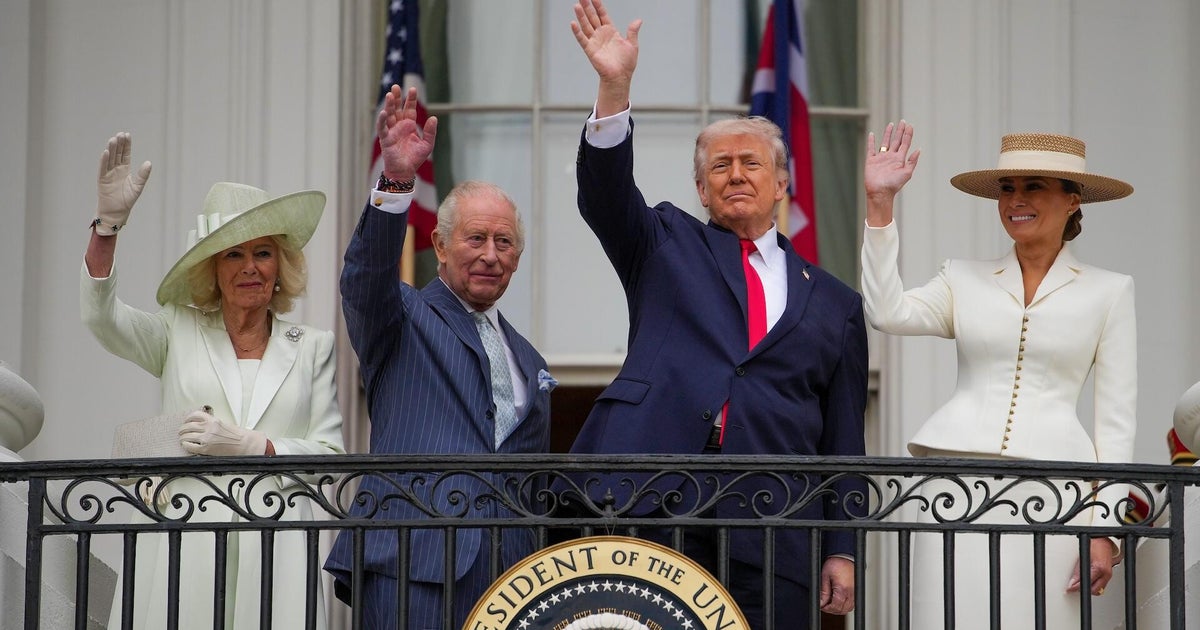
King Charles’ recent address to the United States Congress demonstrated the enduring strength of the transatlantic bond between Britain and America, despite current political tensions. According to royal expert and CBS News contributor Tina Brown, who appeared on “CBS Mornings” to discuss the historic visit, the King’s speech powerfully illustrated that the relationship between these two nations runs far deeper than any temporary political disagreements or the changing winds of contemporary governance. At a time when diplomatic relations have been strained over various international issues, including approaches to the conflict involving Iran and disagreements about NATO’s role in global security, Charles stepped into his role as a unifying figure who could speak for his nation while remaining above the partisan fray. Brown emphasized that the King’s address was carefully crafted with twin purposes: promoting reconciliation between the two allied nations while also renewing their shared commitment to common values, all while delivering pointed messages on issues close to his heart.
A Masterclass in Constitutional Monarchy
The King’s congressional address served as a compelling example of how constitutional monarchy functions in the modern world, particularly when it comes to international relations. Brown highlighted that Charles managed to achieve something quite delicate and difficult: representing his country’s interests and values while maintaining the political neutrality that his constitutional position requires. “I think what he really showed in this speech essentially was the meaning of monarchy,” Brown explained, noting how remarkable it is that a king can convey his nation’s message without becoming entangled in partisan politics. The speech was described as “sharp, measured and delivered,” suggesting careful preparation and diplomatic sophistication. Charles touched upon several sensitive topics where his views diverge from those of the Trump administration, including the ongoing conflict in Ukraine, the importance of NATO, and the urgent need for climate action. These weren’t casual mentions but deliberate inclusions that reflected both British foreign policy priorities and the King’s personal convictions. Brown pointed out that the King “would not have made a speech without mentioning those things,” because these issues represent core principles he has championed throughout his public life, even before ascending to the throne.
Quiet Diplomacy and Meaningful Gestures
Beyond the formal words of his congressional address, King Charles has used symbolic gestures to communicate Britain’s stance on crucial international matters. Brown drew particular attention to an incident that followed a reportedly uncomfortable encounter between President Trump and Ukrainian President Volodymyr Zelenskyy in the Oval Office. Immediately after that meeting, which was described as a “bad scene,” Charles extended an invitation to Zelenskyy for tea at Sandringham, one of the royal family’s private estates. This wasn’t just a social courtesy but a deliberate diplomatic signal. As Brown noted, “He didn’t have to say anything. It was just a gesture that said, ‘we stand with you.'” This type of quiet diplomacy represents one of the unique advantages of having a constitutional monarch who can act as a steady presence in international relations, providing continuity and reassurance that transcends the ups and downs of electoral politics. The King’s Ukraine stance reflects both British government policy and his personal conviction about supporting nations facing aggression, demonstrating how a modern constitutional monarch can reinforce their country’s diplomatic positions through symbolic actions that carry weight precisely because they come from a figure who stands outside partisan politics.
Remembering Shared Sacrifice at Ground Zero
Following their time in Washington, D.C., King Charles and Queen Camilla traveled to New York City, where their itinerary included a visit to the 9/11 memorial—a stop laden with both emotional and diplomatic significance. Brown explained that this visit served multiple purposes beyond the obvious act of remembrance. While 67 British citizens perished in the September 11th attacks, making it appropriate for the British monarch to pay respects, the visit also carried a subtle but important message about the military partnership between the two nations. By visiting Ground Zero, Charles was reminding the American public and administration that British forces stood shoulder to shoulder with Americans in the subsequent wars in Afghanistan and Iraq, responding to the attacks with blood and treasure. This visit took on added significance given recent comments by President Trump that had been dismissive of NATO allies, suggesting that the United States “never needed” them and implying that allied troops had not fully pulled their weight during the Afghanistan campaign by staying “a little off the front lines.” Brown suggested that the King’s memorial visit was “his way of also reminding them of that military cohesion” after what she characterized as the President being “quite rude about the NATO involvement.” This demonstrates how a royal visit can serve educational and diplomatic purposes, gently correcting misperceptions and honoring shared history without directly entering into political controversy.
The Rising Influence of William and Kate
While only King Charles and Queen Camilla undertook this particular visit to the United States, Brown took time to discuss the growing importance of Prince William and Princess Kate to the monarchy’s future and its current public standing. According to Brown, Kate has become “absolutely critical” to the institution, describing her as someone who “really now sort of in a sense holds the cards” because of how beloved she has become both in Britain and internationally. The Princess of Wales has successfully navigated her role, connecting with people across different demographics while maintaining the dignity and mystery that makes royalty compelling. Meanwhile, Prince William has also grown into his role, with Brown calling him “impressive” and “committed.” She particularly praised how he has handled the ongoing situation with his brother, Prince Harry, who along with Meghan Markle stepped away from senior royal duties in 2020 amid considerable controversy and public drama. Brown noted that William has “weathered the whole storms with his brother with great sort of elegance” and has notably refrained from public comment despite significant provocation. This restraint and dignity under pressure has only enhanced William’s standing and demonstrated his readiness for his future role as king.
A Monarchy Strengthened Through Adversity
Despite the challenges the royal family has faced in recent years—including the departure of Harry and Meghan, various personal scandals, and the inevitable scrutiny that comes with being one of the world’s most famous families—Brown suggested that the institution is actually in remarkably good shape. “I think they’ve become so popular now that the monarchy is actually in a better place despite all of the kind of dramas than it has been for quite a long while,” she observed. This resilience speaks to several factors: the personal popularity of key figures like Kate and William, the dignity with which the family has handled controversies, and perhaps most importantly, the clear sense of purpose and duty that Charles has brought to his kingship. His American visit, with its careful balance of diplomacy, principle, and reconciliation, exemplifies this approach. As Charles and Camilla continued their American tour with events scheduled in Virginia, they left behind a reminder that some relationships transcend politics, that shared values and history create bonds that weather temporary disagreements, and that constitutional monarchy, when practiced with skill and conviction, still has a meaningful role to play in our modern world. The visit demonstrated that soft power—the ability to influence through attraction and persuasion rather than coercion—remains potent, and that a king who knows both when to speak and when to let symbolic gestures speak for him can be a genuine asset in international relations.