

Iranian Missiles Strike Near Israel’s Nuclear Research Center in Escalating Conflict
Unprecedented Attack Targets Strategic Israeli Sites
In a dramatic escalation of hostilities that has sent shockwaves through the Middle East, Iranian missiles struck two Israeli communities located dangerously close to the country’s primary nuclear research facility. The attacks on the cities of Dimona and Arad left more than 100 people injured, marking an alarming new chapter in a conflict that has already stretched on for three weeks. This represents the first time since the war’s outbreak that Iran has deliberately targeted areas so close to Israel’s most sensitive nuclear installations, signaling a potentially dangerous shift in the rules of engagement between these longtime adversaries.
The strikes on these southern Israeli communities have sent a clear message about Iran’s willingness to escalate tensions, coming just hours after Iran’s own Natanz nuclear enrichment facility was hit in a mysterious airstrike. While Israel’s military has officially denied any involvement in the Natanz attack, the timing of Iran’s retaliatory strikes suggests Tehran holds Israeli forces responsible. What makes these attacks particularly concerning from a strategic standpoint is that Israel’s vaunted missile defense systems, normally highly effective at intercepting incoming threats, failed to stop the Iranian missiles from reaching their targets in this sparsely populated desert region. The inability to intercept these particular missiles raises serious questions about vulnerabilities in Israel’s defenses and represents a troubling operational failure for a nation that has invested billions in protective technology.
Devastating Impact on Civilian Communities
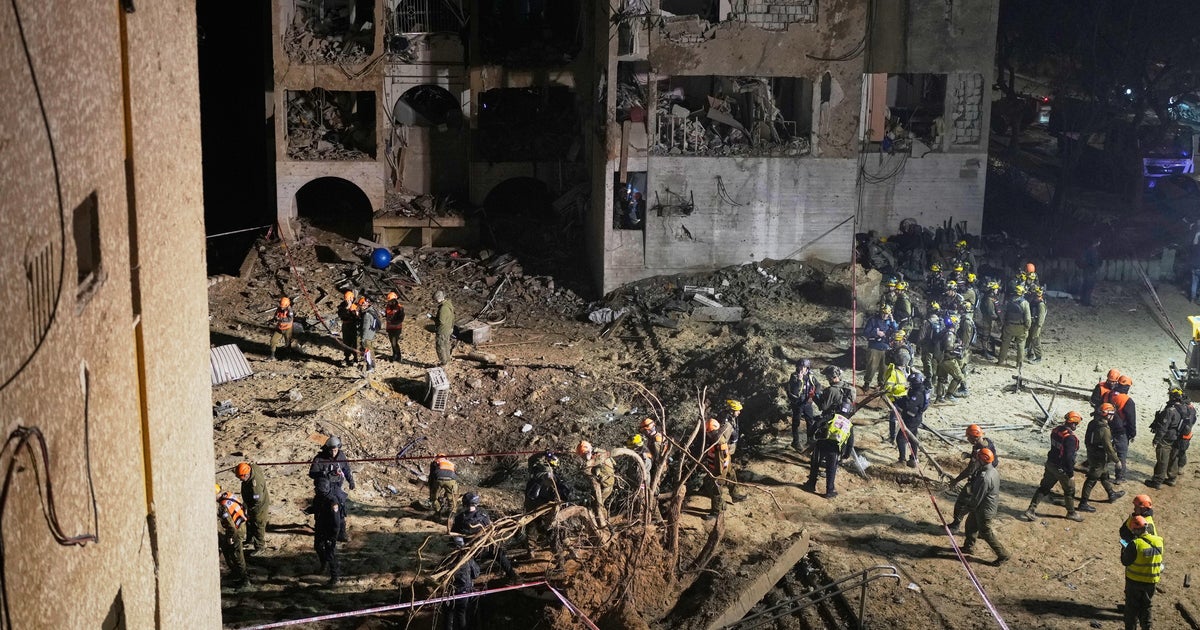
The human toll of these strikes has been severe, with emergency services working frantically through the night to rescue victims and assess the full extent of the damage. In Arad, the harder-hit of the two communities, Israel’s Magen David Adom emergency rescue service reported that at least 64 people sustained injuries when the Iranian missile slammed into the city. Among those wounded, seven individuals were hospitalized in serious condition, fighting for their lives, while 15 others suffered moderate injuries that required immediate medical attention. Another 42 people sustained lighter injuries but still needed treatment. As dawn broke over the devastated area, rescue teams continued their grim work, carefully searching through piles of debris and rubble, fearful they might discover more casualties trapped beneath the wreckage of damaged buildings.
Earlier in the evening, the nearby town of Dimona experienced its own nightmare when another Iranian strike injured at least 40 residents. Footage released by Israeli emergency services painted a haunting picture of destruction: a massive crater gouged into the earth next to residential apartment buildings, their outer walls completely torn away, exposing the intimate details of people’s homes to the elements. Remarkably, the missile appears to have struck an open area rather than directly hitting a residential structure, which likely prevented the casualty count from being far worse. Nevertheless, rescue workers reported that the direct impact in Arad caused extensive damage spanning at least ten apartment buildings, with three of them so severely compromised that they now face imminent collapse. Structural engineers are working around the clock to determine whether these buildings can be stabilized or if they represent a continued danger to anyone nearby, potentially displacing dozens of families who have already lost so much.
Political Response and Escalating Rhetoric
Israeli Prime Minister Benjamin Netanyahu responded swiftly to the attacks with a defiant statement that left no doubt about his government’s intentions to continue its military campaign. Taking to social media in the early morning hours, Netanyahu acknowledged the gravity of the situation, calling it “a very difficult evening in the campaign for our future.” He revealed that he had personally contacted the mayor of Arad to express his concern for the injured residents and to assure the community that the nation stood with them during this crisis. However, his message was far from conciliatory toward Iran. Netanyahu made it abundantly clear that these strikes would not deter Israel’s military objectives, stating firmly, “We are determined to continue to strike our enemies on all fronts.”
The Israeli Defense Forces echoed this hardline stance through their own communications. Lieutenant Colonel Nadav Shoshani, serving as an IDF spokesperson, took to social media to condemn what he characterized as Iran’s reckless behavior. He argued that the attacks demonstrated the Iranian regime’s instability and its callous disregard for human life, particularly noting that the strikes strategically targeted civilian populations rather than military installations. This framing of the conflict—emphasizing civilian casualties and Iranian aggression—represents Israel’s broader effort to maintain international support for its military operations while painting Iran as an irresponsible actor on the world stage. The exchange of accusations and counter-accusations highlights how deeply entrenched both sides have become in their positions, with little room apparent for diplomatic de-escalation as the conflict enters its fourth week.
The Nuclear Dimension and International Concerns
The proximity of these strikes to Israel’s nuclear research center has added an extremely sensitive dimension to an already volatile situation. Israel is widely believed to be the only nation in the Middle East possessing nuclear weapons, though Israeli leaders have maintained their decades-long policy of neither confirming nor denying their existence—a stance known as “nuclear ambiguity.” The International Atomic Energy Agency, which serves as the United Nations’ nuclear watchdog organization, moved quickly to address international concerns about potential radiation risks. The agency announced via social media that it had received no reports of damage to the Israeli nuclear center and that radiation monitoring equipment showed no abnormal levels in the surrounding areas, providing some measure of relief to a worried world.
Meanwhile, Iran found itself dealing with the aftermath of an attack on its own nuclear infrastructure. Israel officially denied responsibility for the strike on Iran’s Natanz nuclear facility, located approximately 135 miles southeast of Tehran, but few observers found this denial credible given the long history of covert operations targeting Iran’s nuclear program. Iranian officials, speaking through the judiciary’s official news agency Mizan, assured the public that no radioactive leakage had occurred from the damaged facility. The IAEA confirmed it was investigating the Natanz strike but reported that monitoring had detected no increase in off-site radiation levels. This wasn’t the first time Natanz had been targeted—the facility had sustained damage during a 12-day Iran-Israel conflict in June 2025 and was subsequently struck again by U.S. forces later that month. The IAEA has indicated that the majority of Iran’s estimated 970 pounds of enriched uranium—the material that could potentially be used to construct nuclear weapons—is actually stored elsewhere, buried beneath rubble at Iran’s Isfahan facility, which American forces bombed during last June’s hostilities.
Strategic Implications and New Phase of Conflict
The strategic implications of Israel’s failure to intercept the missiles targeting Dimona and Arad have not been lost on Iranian leadership, who see this as a significant shift in the military balance. Mohammad Bagher Ghalibaf, Iran’s Parliament Speaker, wasted no time in highlighting what he characterized as a critical Israeli vulnerability. Writing on social media before news of the Arad strike had fully spread, Ghalibaf declared that Israel’s inability to protect even the heavily defended Dimona area represented “operationally, a sign of entering a new phase of the battle.” This assessment suggests that Iranian military planners believe they have identified weaknesses in Israel’s defensive capabilities that can be exploited in future operations, potentially emboldening them to launch additional strikes against previously off-limits targets.
The Pentagon, when asked about the strike on Natanz, declined to offer any comment, maintaining the diplomatic and military ambiguity that often surrounds sensitive operations in the Middle East. This silence, however, speaks volumes about the complexity of the situation and the delicate balance that the United States must maintain as it navigates relationships with both regional allies and adversaries. Behind closed doors, American officials are grappling with even more dramatic options. Multiple sources with knowledge of high-level discussions revealed to CBS News that the Trump administration has been actively exploring methods and strategic options to secure or even extract Iran’s nuclear materials entirely—an operation that would represent an unprecedented escalation if executed. The timing of such an extraordinarily risky operation remains unclear, and sources indicate that President Trump has not yet made a final decision on whether to proceed. However, the very fact that such plans are being seriously discussed at the highest levels of government demonstrates just how concerned American policymakers have become about the trajectory of this conflict and the potential for nuclear materials to fall into the wrong hands or be used in ways that could destabilize the entire region. As the war enters its fourth week with no clear end in sight, the international community watches with growing anxiety, hoping that cooler heads will prevail before this dangerous situation spirals even further out of control.