


U.S. Military Reinforcements Head to Middle East Amid Rising Tensions with Iran
Additional Marine Forces Deploy as Regional Conflict Escalates
The United States is significantly bolstering its military presence in the Middle East by dispatching a second Marine Expeditionary Unit to the region, a move that underscores the escalating nature of the ongoing conflict with Iran. This deployment involves approximately 2,200 Marines accompanied by three warships, representing a substantial commitment of American military resources to an already volatile situation. The unit departed from California earlier this week, marking the latest chapter in what appears to be a growing military engagement that has captured international attention and raised concerns about the potential for wider regional instability.
According to information provided by two U.S. officials familiar with the deployment, this second Marine Expeditionary Unit is now making its way across the Pacific Ocean toward the Middle East theater of operations. The timeline for their arrival suggests that it may take several weeks before these additional forces are fully positioned and operational in the region. This deliberate movement of naval assets and personnel reflects the complex logistics involved in projecting American military power across vast oceanic distances and the strategic planning required to coordinate such significant troop movements during an active conflict situation.
First Wave Still En Route as Military Buildup Continues
What makes this deployment particularly noteworthy is that it represents the second such unit being sent to the region in rapid succession. The first Marine Expeditionary Unit, which began its journey from the Pacific region, is still in transit and has not yet reached its final destination in the Middle East. This staggered deployment strategy suggests that military planners are working to ensure a continuous flow of reinforcements and capabilities to support ongoing operations against Iranian forces. The fact that both units are simultaneously making their way to the conflict zone indicates the seriousness with which U.S. military leadership is approaching the current situation and the potential need for sustained operations over an extended period.
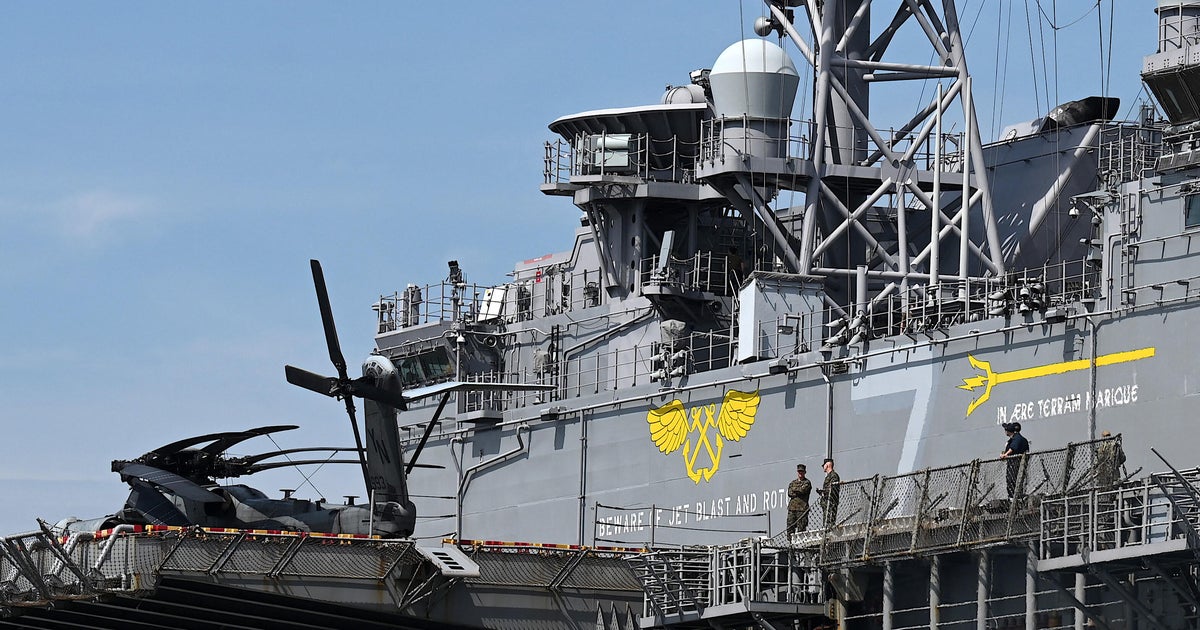
The deployment of Marine Expeditionary Units is significant because these formations represent highly capable, self-contained military forces designed for rapid response and sustained operations in challenging environments. Each unit typically includes not just infantry Marines but also aviation assets, logistics support, and specialized capabilities that allow them to operate independently if necessary. The three warships accompanying this second unit likely include amphibious assault ships and supporting vessels that provide both transportation and operational platforms for helicopters, landing craft, and other equipment essential for projecting power ashore and maintaining flexibility in how forces are employed.
Strategic Implications of Expanded U.S. Military Presence
This expanding American military footprint in the Middle East carries profound implications for the trajectory of the conflict with Iran and the broader regional security landscape. The decision to commit over 4,000 additional Marines to the region, along with multiple warships, signals that U.S. leadership anticipates either an extended conflict requiring sustained military pressure or the potential need for significant combat operations that would require substantial ground forces. This level of commitment goes beyond merely symbolic shows of force and represents a tangible increase in America’s ability to conduct offensive operations, defend allies, or respond to unexpected developments in how the conflict unfolds.
The timing and scale of these deployments also send important messages to both allies and adversaries in the region. For American partners, particularly those nations that feel threatened by Iranian military capabilities or regional ambitions, the arrival of additional U.S. forces provides reassurance that Washington remains committed to maintaining stability and protecting friendly nations. For Iran and its proxies, the growing American military presence serves as both a deterrent against further escalation and a clear indication that the United States possesses the resources and resolve to sustain military operations for as long as necessary to achieve its objectives.
Developing Situation With Many Unknowns
As this story continues to develop, many crucial questions remain unanswered about the nature of the conflict, the specific missions these Marine units will undertake, and the broader strategic objectives guiding American military involvement in the region. The sparse details currently available reflect either operational security concerns that limit what can be disclosed publicly or the fluid nature of a situation that is still evolving in real-time. What is clear, however, is that the United States is making substantial commitments of military personnel and assets at a time when the international community is watching closely to see how this conflict between Washington and Tehran will unfold and what consequences it might have for global security and economic stability.
The deployment of these Marine Expeditionary Units also raises questions about the duration and intensity of the conflict that U.S. planners are preparing for. Marine Expeditionary Units are typically deployed for months at a time, suggesting that military leadership does not anticipate a quick resolution to the current tensions. Additionally, the decision to send forces from both the Pacific and California indicates that this deployment is drawing on resources from multiple geographic areas, reflecting the scale of the commitment being made and potentially affecting America’s military posture in other regions where it maintains significant interests and responsibilities.
Looking Ahead: Uncertainty and Vigilance
As these thousands of Marines make their way across the ocean toward an active conflict zone, the families they’ve left behind, the American public, and the international community all await further information about how this situation will develop. The coming weeks will be crucial in determining whether this military buildup serves primarily as a deterrent that helps contain the conflict or whether these forces will become actively engaged in combat operations against Iranian targets. The strategic decisions made by leadership in Washington, Tehran, and other regional capitals will shape not only the immediate outcome of this confrontation but potentially the security architecture of the Middle East for years to come. What remains certain is that the United States is positioning itself to respond to a wide range of scenarios, backing its diplomatic and strategic objectives with significant military capability that is now sailing steadily toward one of the world’s most volatile regions.