

Three Brothers Arrested Following U.S. Embassy Bombing in Oslo
The Incident and Initial Arrests
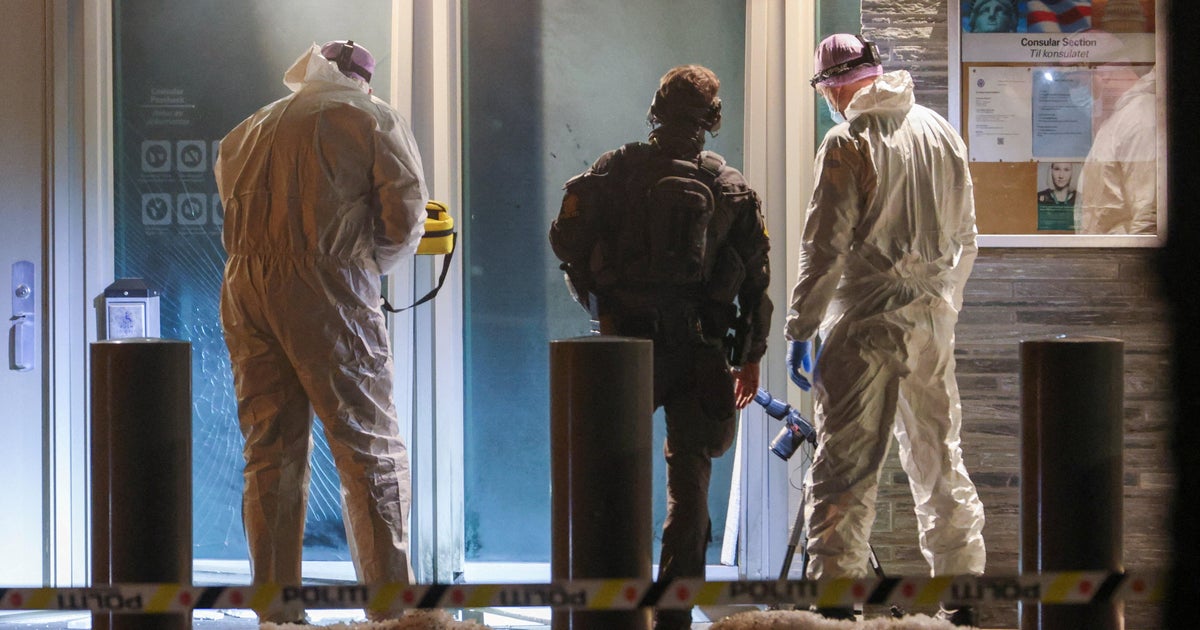
In a development that has sent shockwaves through Norway’s capital, three brothers have been taken into custody following an explosion at the United States Embassy in Oslo. Norwegian authorities announced the arrests on Wednesday afternoon, identifying the suspects as Norwegian citizens with Iraqi heritage. The trio, all in their twenties, were apprehended around 3:30 p.m. local time and are facing serious allegations of orchestrating what police are calling a “terrorist bombing.” What makes this case particularly intriguing is that none of the three men had any previous encounters with law enforcement or appeared on any watch lists before this incident. Police prosecutor Christian Hatlo addressed the media in a news conference, providing details about the ongoing investigation while acknowledging that authorities are still piecing together the full picture of what happened and why. The explosion itself occurred in the early morning hours, around 1 a.m. local time, targeting one of the embassy’s entrance points specifically the consular section, according to police incident commander Michael Dellemyr. Fortunately, despite the dramatic nature of the attack, the blast resulted in only minor structural damage to the building, and remarkably, there were no casualties or injuries reported.
Investigating Motives and Connections
As investigators continue their work, police prosecutor Hatlo revealed that authorities are exploring multiple theories about what motivated this attack. The investigation is following several different leads, with one significant line of inquiry examining whether the bombing might have been carried out under orders from a foreign government entity. This possibility isn’t just speculation—it’s a logical avenue of investigation given the high-profile nature of the target and the complex international security landscape the world currently faces. The fact that the U.S. Embassy was specifically chosen as the target naturally raises questions about international involvement and state-sponsored terrorism. Investigators are working diligently to understand the specific roles each brother played in executing the attack. According to Hatlo, current evidence suggests that one of the men physically placed the explosive device outside the embassy, while the other two brothers were “complicit in the act,” meaning they helped plan, coordinate, or facilitate the bombing in some way. The authorities are also not dismissing the possibility that the brothers had connections to criminal networks, which adds another layer of complexity to the investigation. This consideration aligns with recent intelligence assessments from Norwegian security services.
Security Implications and Government Response
The bombing prompted immediate and extensive security measures throughout Oslo and beyond. Law enforcement agencies moved quickly to reinforce protective measures around the U.S. Embassy, with a visible increase in police presence in the surrounding area. But the response didn’t stop there—authorities also implemented enhanced security protocols to protect other potentially vulnerable communities within Norway, specifically the Iranian diaspora and Jewish communities. This broader security approach reflects an understanding that such attacks can sometimes trigger copycat incidents or related violence against communities perceived to be connected to international conflicts. Despite these precautionary measures, officials were careful to reassure the public that there were no indications of an ongoing or imminent threat following the explosion. Frode Larsen, who heads Oslo’s police investigation unit, spoke with reporters and suggested that the attack might be deliberately linked to the escalating crisis in the Middle East, according to Reuters. In a subsequent interview with Norwegian public broadcaster NRK, Larsen confirmed that terrorism was indeed among several possible motives that investigators were actively pursuing, though they were keeping their options open as the investigation continued to unfold.
Intelligence Warnings and Broader Context
The timing of this attack is particularly significant when viewed against recent intelligence assessments from Norwegian security services. Just last month, the Norwegian security service PST released its annual threat assessment, which specifically warned about Iran’s potential use of “proxy actors” to carry out attacks on foreign soil. These proxy actors, according to the PST report, could include individuals from “criminal networks” who might be recruited or manipulated to conduct operations on behalf of state interests. This prescient warning now takes on new meaning in light of the Oslo embassy bombing, and investigators are undoubtedly examining whether this attack fits the pattern described in the PST assessment. The concern about Iranian-backed attacks isn’t limited to Norway or even Europe—it’s a global security issue that has put U.S. diplomatic facilities worldwide on heightened alert. Representative Rick Crawford, who chairs the House Intelligence Committee in the United States, weighed in on the Oslo incident during an appearance on Fox News, stating his belief that the explosion “may have been a terrorist attack.” His comments reflect the serious concern that American officials have about the safety of U.S. personnel and facilities abroad, especially in the current volatile international climate.
Global Security Concerns for U.S. Diplomatic Missions
The Oslo bombing is occurring against a backdrop of increased threats to American diplomatic facilities around the world. Since the outbreak of war involving Iran, U.S. embassies have been operating under heightened security protocols, with officials recognizing that these facilities represent high-value targets for those seeking to strike at American interests. Several U.S. diplomatic missions have already faced attacks or threats as Tehran and its proxies have increasingly targeted Western industrial and diplomatic installations in response to regional conflicts. Representative Crawford’s comments to Fox News underscored the scope of the challenge facing American security planners. He emphasized that vigilance is required not only for homeland security within the United States but also for protecting American assets scattered across the globe, including embassies, consulates, military installations, and other facilities that fly the American flag. The distributed nature of these potential targets makes comprehensive protection an enormous undertaking, requiring coordination between U.S. security services and host nation authorities in dozens of countries simultaneously.
Looking Ahead: Investigation and Implications
As the investigation continues in Oslo, authorities face the complex task of unraveling the full story behind this attack. Key questions remain unanswered: Were the three brothers acting independently based on their own ideological motivations, or were they part of a larger network receiving guidance and support from outside Norway? If there are connections to foreign governments or international terrorist organizations, how extensive are those networks, and do they pose ongoing threats to other targets? The fact that these men were previously unknown to police adds another dimension to the challenge—they weren’t on anyone’s radar before this incident, which raises concerns about how many other potential threats might be developing beneath the surface of official awareness. For Norway, a country that has generally enjoyed relative safety from international terrorism compared to some of its European neighbors, this attack serves as a sobering reminder that no nation is immune to the ripple effects of global conflicts. For the United States, the Oslo bombing reinforces the difficult reality that American diplomatic personnel serving abroad face genuine risks, and that protecting them requires constant vigilance, robust intelligence sharing with allies, and the ability to adapt security measures to an ever-changing threat landscape. As investigators continue their work, the international community will be watching closely to understand not just who carried out this attack, but why—and what it might signal about threats yet to come.