



The Human Cost of New York’s Nursing Strike: A Young Cancer Patient’s Story
A Child’s Show of Support Amid Healthcare Chaos
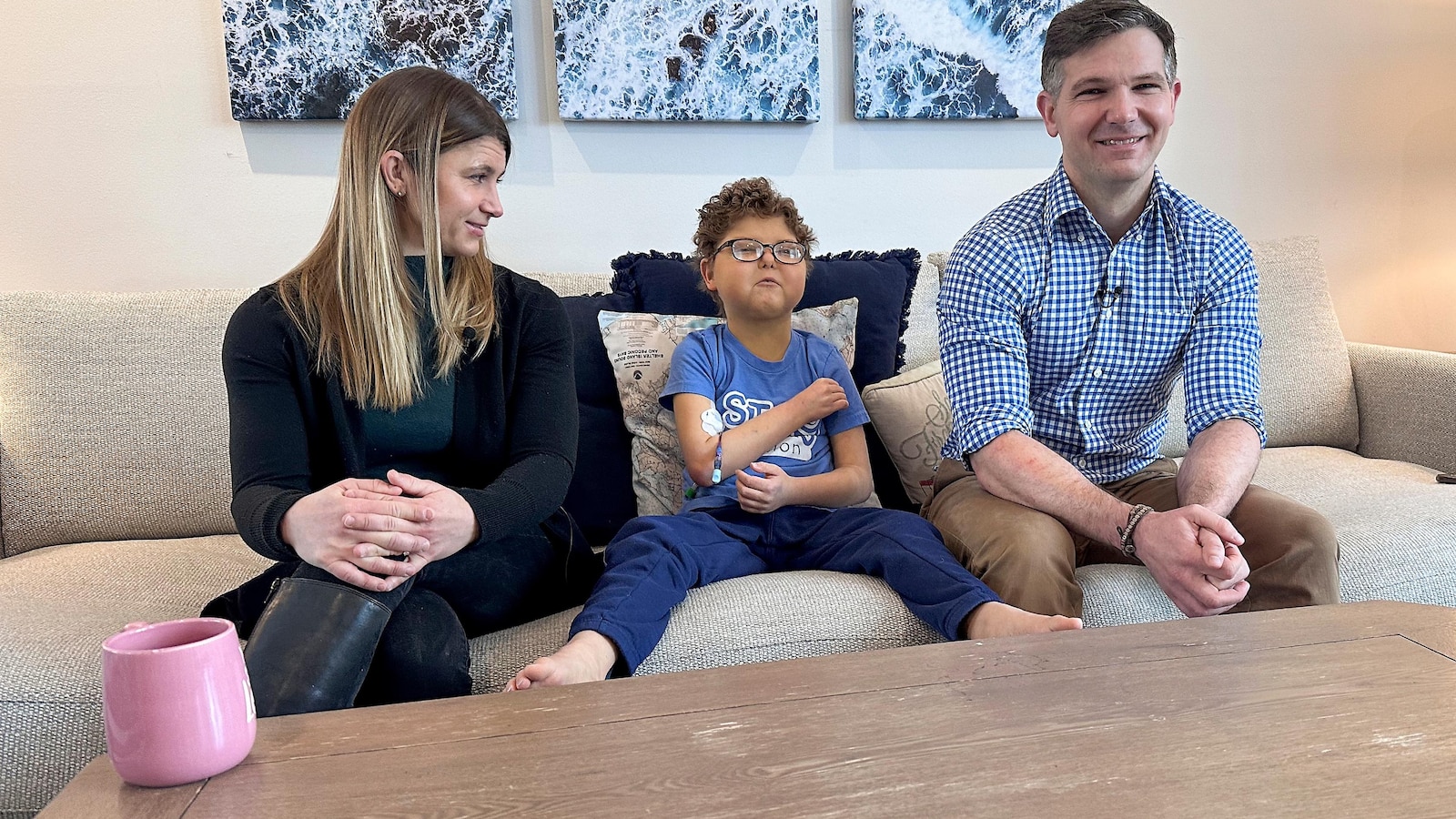
When thousands of nurses across New York City hospitals staged the largest nursing strike in decades last month, an unexpected moment of solidarity emerged from a pediatric cancer ward. Nine-year-old Logan Coyle, battling advanced liver cancer at NewYork-Presbyterian’s children’s hospital in Manhattan, pressed a handmade sign against his hospital window that read “Proud of My Primaries.” The gesture was directed at his primary nurses who had just walked off the job to join approximately 15,000 healthcare workers demanding better working conditions, improved staffing levels, and fair compensation. For Morgan Bieler, one of Logan’s longtime primary nurses standing on the picket line below, the sight provided a powerful reminder of why they were fighting. In those uncertain early hours of the walkout, seeing her young patient’s support reinforced the nurses’ determination to push for changes they believed would ultimately improve patient care across some of the city’s most prestigious medical facilities.
A Family Caught in the Crossfire
Nearly a month into the strike, the Coyle family finds themselves trapped in an agonizing situation with no easy resolution in sight. Logan’s father, Jeff Coyle, describes the ongoing dispute as “infuriating,” particularly as his son remains one of the hospital system’s most vulnerable patients. Logan’s medical journey has been extraordinarily challenging—a two-year battle with advanced liver cancer that has required chemotherapy and a remarkably complex triple transplant involving his liver, pancreas, and small intestine. For families like the Coyles, who rely on the specialized expertise and continuity of care that their regular nursing team provides, the strike represents more than an inconvenience. “Every single day that this drags on is a severe impact to us,” Jeff explained, adding that families like his have become “the collateral damage of this strike.” The sentiment captures the painful reality for patients requiring ongoing, specialized care who find themselves caught between hospital administration and nursing staff, both of whom claim to have patients’ best interests at heart.
Progress and Stalemate in Contract Negotiations
While some progress has been made in resolving the broader strike, NewYork-Presbyterian’s 4,000-plus nurses remain the last major group still on the picket lines. By Monday, the nurses’ union had successfully reached tentative agreements with two other major hospital systems—Mount Sinai and Montefiore. Those proposed contracts, pending membership approval votes, would see nurses at those facilities return to work by Saturday. The agreements reportedly address key concerns including compensation, with a 12% pay raise over three years, along with improvements in workplace safety, health care benefits, and other contractual matters. However, negotiations at NewYork-Presbyterian have proven more contentious and difficult to resolve. In a surprising development late Tuesday, the union leadership called for its NewYork-Presbyterian members to vote on a proposal that hospital administrators had accepted but the union’s own bargaining committee had rejected. Union executive director Pat Kane and president Nancy Hagans told members in a video message that the proposal “delivers the same contract priorities” negotiated with other hospital systems, and that after fighting so hard, the nurses deserved the opportunity to vote on the deal themselves.
The Reality of Replacement Care
The practical impact of the strike became immediately apparent to Logan when he was readmitted to the hospital for surgery to remove a tumor near his spine. Though he returned home Saturday, his time at the hospital with temporary replacement nurses revealed significant differences in the quality and character of his care. Routine procedures that his regular nurses performed smoothly—blood draws, lab tests, medication administration—took noticeably longer with the replacement staff. Beyond the technical aspects of care, Logan missed the personal connections he had developed with his primary nurses, the familiar faces who would drop by not just for medical purposes but to chat, read books, or simply spend time coloring with him. “I like that they come in and color with you so I’m not spending my whole day on the screen in my iPad world,” Logan explained from his family’s home in Port Washington, a Long Island suburb about 25 miles from Manhattan. The nine-year-old, who has a twin sister named Riley, was unequivocal about his preferences: “I wouldn’t want to be back there for another month without them. I would feel more safer if they were all back.”
A Mother’s Sleepless Vigil
For Logan’s mother, Rebecca, the difference in nursing care translated into sleepless nights and constant vigilance. Unlike previous hospital stays where she could rest knowing experienced, familiar nurses were monitoring her son, the revolving door of temporary staff—each with varying levels of experience and none with knowledge of Logan’s complex case—meant she felt compelled to stay awake and alert. “I was just constantly up, checking to make sure that something was running appropriately or waiting for a medicine to arrive or waiting for fluids to arrive or a blood product,” she recounted. The exhausting experience highlights a reality often overlooked in labor disputes: the irreplaceable value of continuity of care, particularly for medically complex patients. Experienced nurses don’t just follow protocols—they develop an intimate understanding of their patients’ conditions, notice subtle changes, anticipate needs, and provide reassurance born from established relationships. For families managing serious illnesses, that expertise and familiarity represents an essential component of quality care that cannot be easily replicated by even well-meaning temporary replacements.
The Broader Impact and What It Means for Healthcare
Morgan Bieler’s concerns extend beyond Logan to all the young patients affected by the strike. She reports that bone marrow transplants and chemotherapy treatments have been delayed or canceled entirely for some children due to staffing challenges created by the walkout. “We’re not the only pawns in this, is my point,” Bieler emphasized. “They’re playing with children’s lives, and I can’t imagine how frustrating that is for our community.” Despite these concerns, NewYork-Presbyterian spokespersons have maintained that hospital operations continue running smoothly, with organ transplants and other complex procedures proceeding largely uninterrupted. This disconnect between the nurses’ perspective and hospital administration’s assertions reflects the broader tensions underlying the strike—disagreements not just about compensation but about fundamental questions of patient safety, appropriate staffing levels, and what constitutes adequate care.
For Bieler, caring for Logan over the years has profoundly shaped her understanding of why nursing matters. She describes him as always presenting “the best version of himself” and facing enormous challenges “with a smile.” His resilience and positive attitude during his cancer battle have influenced her development both professionally and personally. “I don’t think I would be the nurse, let alone the person I am today, without him and his family,” she reflected. This relationship exemplifies what’s at stake in the strike—not just wages and working conditions, but the deep therapeutic relationships between nurses and patients that form the foundation of compassionate healthcare. As the strike continues with no certain end date, families like the Coyles remain caught in the middle, hoping for a resolution that addresses nurses’ legitimate concerns while restoring the continuity and quality of care that vulnerable patients desperately need.