

U.S. Navy Destroyers Navigate Dangerous Waters in the Strait of Hormuz
A Tense Maritime Operation Under Fire
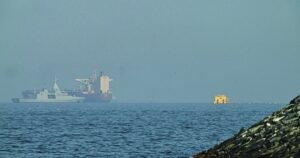
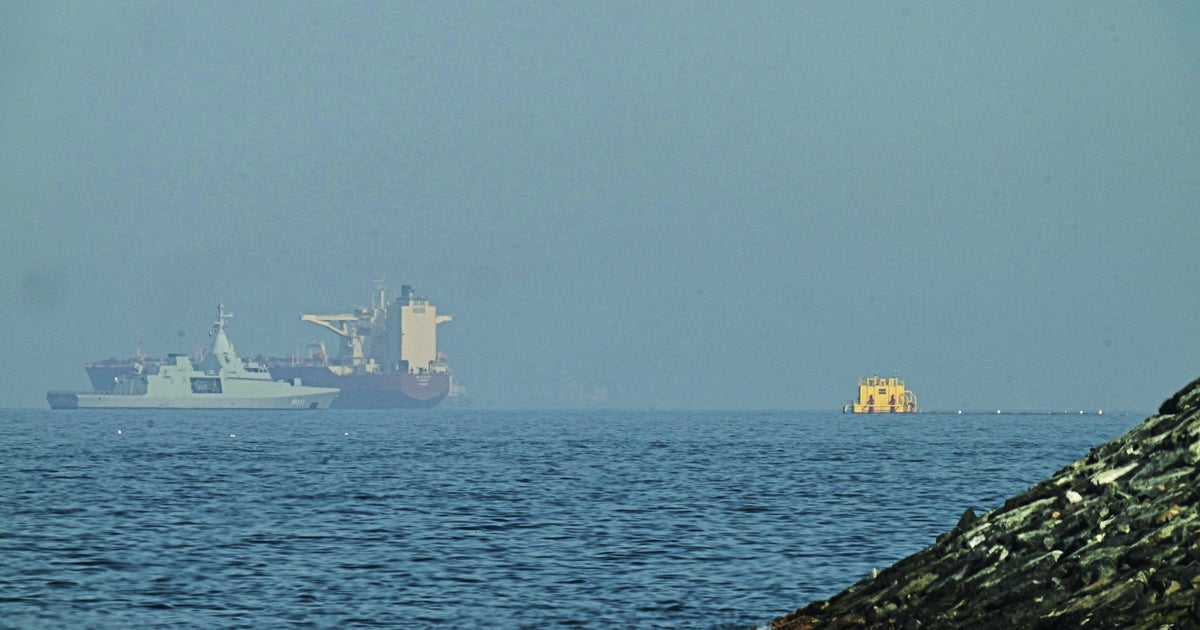
In a dramatic show of naval force and determination, two American warships recently made their way through one of the world’s most strategically important waterways while under sustained attack. The USS Truxtun and USS Mason, both guided-missile destroyers, successfully navigated the Strait of Hormuz to enter the Persian Gulf despite facing what defense officials described as a coordinated and relentless barrage from Iranian forces. The passage, which involved Apache attack helicopters and additional aircraft providing protective cover, represented a significant test of American resolve in the region. Iranian forces deployed multiple forms of attack during the transit, including swarms of small boats, missile launches, and armed drones, all aimed at preventing the American vessels from completing their mission. Despite the ferocity and coordination of these attacks, both destroyers emerged unscathed, with their defensive systems and supporting aircraft successfully neutralizing every threat that came their way. The incident underscores the dangerous cat-and-mouse game being played in these contested waters, where a single miscalculation could have catastrophic consequences for regional stability and the global economy.
The Strategic Importance of the Strait of Hormuz
The Strait of Hormuz isn’t just another waterway—it’s the jugular vein of the global oil supply. This narrow passage, at its thinnest point only 21 miles wide, serves as the gateway between the Persian Gulf and the open ocean, making it one of the most critical chokepoints for international commerce in the world. Roughly one-fifth of the world’s petroleum passes through this strait, making any disruption to its flow a matter of global economic concern. Since late February, when U.S. military operations in the region intensified, Iran has sought to assert control over the strait, effectively holding hundreds of petroleum tankers and commercial vessels hostage in the Persian Gulf. This maritime blockage has had predictable and painful consequences: global oil prices have climbed steadily as supply routes remain uncertain and shipping companies hesitate to risk their vessels and crews. The economic ripple effects have been felt worldwide, with consumers paying more at the pump and industries dependent on petroleum products facing increased costs. The situation has created a pressure cooker environment where economic interests, national security concerns, and regional power dynamics all collide in a relatively small stretch of water.
Project Freedom: America’s Response
Recognizing both the economic and strategic implications of Iran’s actions, President Trump announced on Sunday a new American initiative designed to restore freedom of navigation through the contested waterway. Dubbed “Project Freedom,” this operation represents the U.S. military’s commitment to keeping international shipping lanes open and challenging Iran’s attempts to control access to the Persian Gulf. The transit of the USS Truxtun and USS Mason marked the operational beginning of this initiative, demonstrating American willingness to back up diplomatic statements with military action. U.S. Central Command, which oversees American military operations in the Middle East, confirmed that the destroyers had successfully completed their passage through the strait, though initially they declined to specify exactly which vessels were involved or provide details about the threats they faced. The military also reported that two U.S.-flagged commercial ships made the transit successfully alongside the naval escorts, representing the first commercial vessels to brave the passage in some time. Central Command has since reached out to dozens of shipping companies, encouraging them to resume traffic through the strait with the assurance of American protection, hoping to break the logjam that has developed over recent months and restore normal commercial operations.
The Reality of Combat in Confined Waters
The details of what actually transpired during the transit paint a vivid picture of modern naval warfare in constrained environments. According to defense officials who spoke on condition of anonymity due to the sensitive nature of the operations, the American destroyers faced a sophisticated, multi-layered attack designed to overwhelm their defenses. Iranian forces employed what military analysts call “swarm tactics” with small boats—a strategy that leverages large numbers of fast, maneuverable vessels to complicate targeting and defensive responses. Simultaneously, missiles and armed drones approached from different vectors, forcing the American ships to defend against threats coming from multiple directions at varying speeds and altitudes. The fact that neither destroyer suffered any damage speaks to both the effectiveness of modern naval defensive systems and the skill of the American crews operating them. Admiral Brad Cooper, commander of U.S. Central Command, later revealed that American forces destroyed six Iranian small boats during the engagement, eliminating immediate threats before they could close to dangerous range. The incident demonstrates how technological superiority and tactical proficiency can overcome numerical disadvantages even in highly constrained operational environments where room for maneuver is limited.
Competing Narratives and Regional Tensions
As with most military confrontations in today’s information-saturated world, the two sides offered dramatically different accounts of what occurred. Iranian state-run media outlets flatly denied that any of their boats were destroyed, contradicting Admiral Cooper’s statements and disputing the American version of events. Iranian sources also claimed that no commercial vessels had successfully crossed through the strait recently, attempting to undermine American assertions about Project Freedom’s effectiveness. More provocatively, Iranian media claimed that a U.S. warship had been struck by missiles during the engagement—an assertion that Central Command categorically denied. These competing narratives reflect not just disagreement about facts but deeper struggles over perception and credibility in the region and internationally. Iran has repeatedly warned U.S. forces that they will face attacks if they attempt to transit the strait, creating a situation where American operations inherently challenge Iranian threats and force Tehran to either act on its warnings or risk appearing weak. This dynamic has placed enormous strain on a fragile four-week-old ceasefire between the two nations, with each side testing the limits of what the other will tolerate. The situation grew even more complex when Iran launched missiles and drones at the United Arab Emirates, a key U.S. ally in the region, and Iranian drones targeted an oil tanker owned by Abu Dhabi’s state energy company as it attempted to navigate the strait, expanding the conflict beyond just U.S.-Iranian confrontation.
The Path Forward: Blockades, Diplomacy, and Uncertainty
The immediate future of the Persian Gulf region remains clouded with uncertainty as multiple pressure points create an unstable equilibrium. At President Trump’s direction, the United States is currently enforcing a naval blockade on Iranian ports, a measure designed to increase economic pressure on Tehran while the two nations exchange proposals for a longer-term diplomatic settlement. This blockade represents a significant escalation in itself, restricting Iran’s ability to engage in maritime commerce and further isolating the country economically. Iranian officials have denounced the blockade as a violation of the existing ceasefire agreement, arguing that it represents continued aggression despite the supposed pause in hostilities. This disagreement over what the ceasefire actually permits highlights the absence of clear, mutually understood terms—a dangerous gap when military forces from both sides operate in close proximity. The diplomatic track continues alongside these military maneuvers, with both Washington and Tehran circulating proposals for a more comprehensive and durable agreement that might address the underlying tensions. However, trust remains in desperately short supply, with each side interpreting the other’s actions through a lens of suspicion and assuming the worst about intentions. As Project Freedom continues and more commercial vessels attempt the transit under American protection, each passage represents another opportunity for miscalculation or escalation. The world watches these developments closely, knowing that what happens in this narrow strait has implications far beyond the immediate region, affecting energy markets, international shipping, and the broader question of whether freedom of navigation in international waters can be maintained in the face of determined opposition from a regional power.