
Trump Pauses Project Freedom in Strait of Hormuz Amid Iran Negotiations
A Strategic Shift in Middle East Policy
In a surprising turn of events that could signal a significant shift in U.S.-Middle East relations, President Donald Trump announced on Tuesday that he has temporarily halted Project Freedom, a recently launched American military initiative designed to escort and protect commercial vessels navigating through the strategically vital Strait of Hormuz. This decision comes just days after the project was announced over the weekend, marking a dramatic policy pivot that has caught many observers off guard. The pause in operations reflects what the administration describes as promising developments in ongoing diplomatic negotiations with Iran, a nation with which the United States has maintained tense and often hostile relations for decades. This sudden change in approach demonstrates the fluid nature of international diplomacy and the Trump administration’s willingness to pursue diplomatic solutions even after initiating military-oriented responses to regional tensions.
The President’s Announcement and Diplomatic Rationale
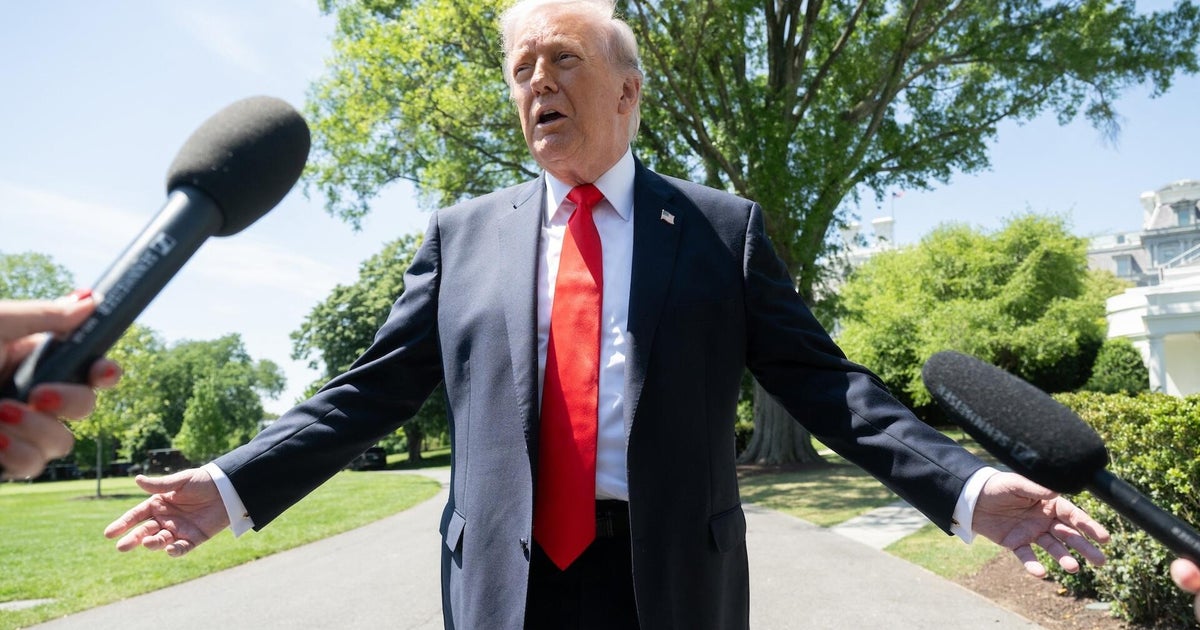
President Trump made the announcement through his preferred communication platform, Truth Social, where he outlined his reasoning for putting the brakes on Project Freedom. In his characteristic style, the president emphasized that the pause would be “for a short period of time,” suggesting that this is a tactical pause rather than a complete abandonment of the initiative. According to Trump’s statement, the United States and Iran have achieved “Great Progress…toward a Complete and Final Agreement,” indicating that behind-the-scenes negotiations have been more productive than publicly known. What makes this development particularly interesting is the role of international mediation in facilitating these talks. Trump specifically credited Pakistan with helping to broker communications between Washington and Tehran, revealing that the pause came at Pakistan’s request. This acknowledgment highlights Pakistan’s emerging role as a potential bridge between the two longtime adversaries and demonstrates the complex web of diplomatic relationships that influence Middle Eastern politics. However, Trump was careful to note that while Project Freedom is paused, the United States will maintain its blockade of Iranian ports, indicating that America is proceeding with cautious optimism while keeping pressure tactics in place as leverage during negotiations.
Understanding Project Freedom and Its Strategic Importance
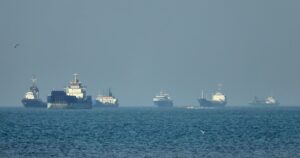
Project Freedom represented a significant military commitment to ensuring the free flow of international commerce through one of the world’s most critical maritime chokepoints. The Strait of Hormuz, a narrow waterway between Iran and the Arabian Peninsula, serves as the gateway through which approximately one-fifth of the world’s oil supply passes daily. Any disruption to shipping through this strategic passage has immediate global implications, potentially affecting energy prices, international trade, and economic stability worldwide. The project was conceived as a direct response to ongoing tensions with Iran and periodic threats to commercial shipping in the region. By committing U.S. naval resources to escort commercial vessels through these waters, the administration was sending a clear message about America’s determination to maintain freedom of navigation and protect international shipping lanes from interference. The initiative would have involved coordinating with allied nations, deploying naval assets, and establishing protocols for protecting merchant ships from potential threats. The sudden pause of this newly announced project, therefore, represents not just a tactical adjustment but a fundamental reassessment of how the United States plans to address its concerns regarding Iranian activities in the region.
The Broader Context of U.S.-Iran Relations
The relationship between the United States and Iran has been characterized by decades of mutual suspicion, diplomatic estrangement, and periodic crises that have brought the two nations to the brink of direct military conflict. Since the 1979 Iranian Revolution that overthrew the U.S.-backed Shah and led to the hostage crisis at the American embassy in Tehran, the two countries have maintained an adversarial relationship marked by economic sanctions, proxy conflicts, and fundamental disagreements over regional influence and nuclear capabilities. In recent years, tensions have centered on Iran’s nuclear program, its support for proxy forces throughout the Middle East, and its maritime activities in the Persian Gulf region. The Trump administration’s approach to Iran has oscillated between maximum pressure campaigns involving stringent economic sanctions and occasional overtures toward negotiation, reflecting the complex challenge of dealing with a regional power that both threatens American interests and represents a nation of significant geopolitical importance. The current pause in Project Freedom and the apparent progress toward some form of agreement represents yet another chapter in this complicated relationship, one that could potentially reshape regional dynamics if successful negotiations lead to a sustainable diplomatic breakthrough.
Pakistan’s Emerging Role as Regional Mediator
One of the most intriguing aspects of this developing story is Pakistan’s role in facilitating dialogue between the United States and Iran. Pakistan’s position as a mediator is particularly noteworthy given the country’s own complex relationships with both nations. Pakistan has historically maintained working relationships with both Washington and Tehran, despite the tensions between them, positioning itself as a potential honest broker in regional disputes. The country shares a lengthy border with Iran and has significant economic and security interests in maintaining stable relations with its neighbor, while also depending on American military and economic assistance and maintaining important strategic partnerships with the United States. By successfully encouraging Trump to pause Project Freedom while negotiations continue, Pakistan has demonstrated diplomatic influence that could prove valuable in future regional crisis management. This development also suggests that the Trump administration is willing to work through regional partners and respect the diplomatic initiatives of allied nations when pursuing its foreign policy objectives. The acknowledgment of Pakistan’s role in these negotiations may also reflect a broader strategic recalibration in how the United States engages with South Asian nations and utilizes regional diplomatic channels to address Middle Eastern challenges.
What Comes Next: Implications and Uncertainties
As this story continues to develop, numerous questions remain about what a “Complete and Final Agreement” between the United States and Iran might entail and whether the optimism expressed by President Trump will translate into a sustainable diplomatic breakthrough. The continuation of the port blockade even as Project Freedom is paused suggests that the administration is maintaining pressure while exploring diplomatic options, a strategy that attempts to balance engagement with deterrence. The international community will be watching closely to see whether this pause represents a genuine opening for reduced tensions and a negotiated settlement or merely a temporary lull before renewed confrontation. Commercial shipping interests, energy markets, and regional allies all have significant stakes in the outcome of these negotiations and the future of freedom of navigation through the Strait of Hormuz. The coming days and weeks will reveal whether this pause in Project Freedom marks the beginning of a new chapter in U.S.-Iran relations or simply another moment of uncertainty in a relationship characterized by decades of conflict and mistrust. Whatever the outcome, this development underscores the dynamic nature of international relations and the Trump administration’s unconventional approach to foreign policy, where dramatic policy announcements can be just as dramatically modified in response to changing circumstances and diplomatic opportunities.