
The Night Terror Struck: Inside the White House Correspondents’ Dinner Attack
When Chaos Shattered an Evening of Celebration
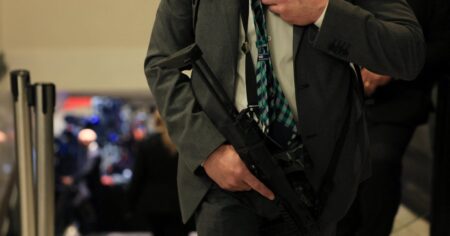
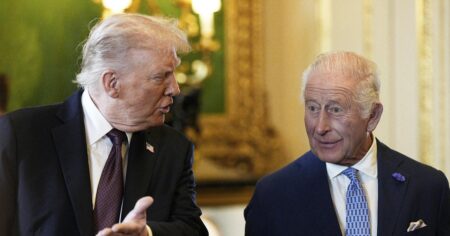
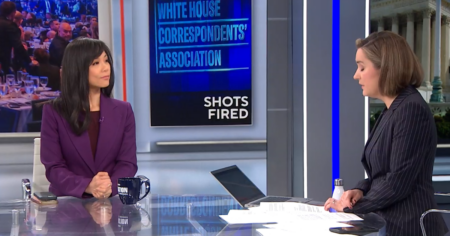
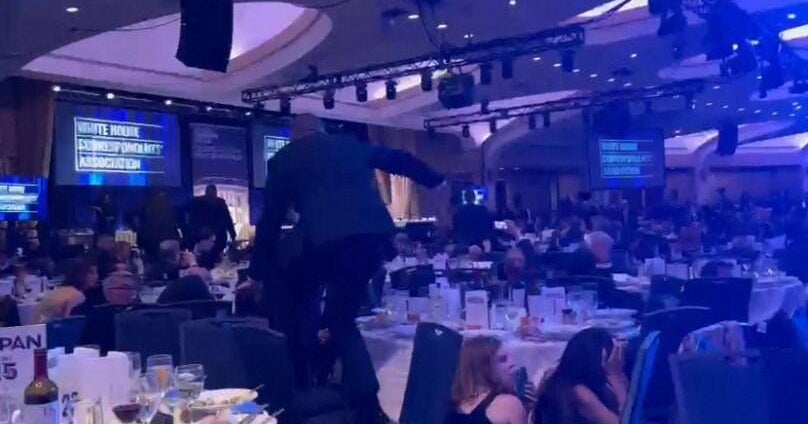
Saturday night began like any other White House Correspondents’ Dinner—a glittering ballroom filled with journalists, politicians, and Cabinet members, all gathered for an evening that traditionally balances political satire with celebration of press freedom. Salad courses had just been served, and the crowd was settling into the rhythm of dinner and entertainment. On the dais, President Trump sat alongside Weijia Jiang, president of the White House Correspondents Association, watching mentalist Oz Pearlman perform a trick involving White House press secretary Karoline Leavitt and her unborn baby’s name. It was a moment of lighthearted distraction in a room full of powerful people. Then everything changed in an instant. What began as a subtle commotion quickly escalated into absolute chaos as a gunman charged a security checkpoint outside the ballroom. The sound of gunfire—three to four successive shots according to some witnesses—shattered the conviviality. Within seconds, Secret Service agents were sprinting through the crowd, long guns drawn, shouting commands for everyone to get down. The transformation from elegant dinner party to potential crime scene happened so quickly that many attendees initially couldn’t process what was happening.
Fear and Confusion: The First Moments of Crisis
The initial confusion in the room was palpable, with different journalists experiencing those first terrifying moments in vastly different ways depending on where they sat. Some, like CBS White House reporter Olivia Rinaldi, who had been present at the 2024 assassination attempt on Trump in Butler, Pennsylvania, immediately recognized the sound for what it was—gunfire. “Originally it sounded like plates had fallen, loud noises. But I was there in Butler, that was gunfire, and we knew it,” Rinaldi recalled. She and others near her could even smell the gunpowder. However, for those seated farther from the checkpoint, the situation was less clear. Major Garrett, CBS’s chief Washington correspondent, didn’t hear the shots at all but instead heard “the cascading sounds of plates dropping, things being pushed out of the way rapidly as Secret Service was trying to secure this room.” This disparity in what people experienced created a brief but terrifying period where no one knew the full scope of what was happening—whether this was an active shooter situation, a terrorist attack, or something else entirely. The room was one floor below ground level with no windows, making it impossible to see outside and understand what threat they might be facing.
Training Kicks In: A Study in Preparedness and Protocol
As panic rippled through the ballroom, the evening became an unintended demonstration of how different people respond to crisis based on their training and experience. Political correspondent Ed O’Keefe observed that many of the government officials in the room reacted with practiced precision: “You can tell they’ve been trained or told what to do when something like this happens.” The most striking example was House Majority Leader Steve Scalise, who survived being shot at a congressional baseball practice in Virginia in 2017. “The moment it happened, he hit the floor,” O’Keefe noted, with Scalise’s security detail immediately responding and evacuating him with the code phrase, “I’ve got Tiger.” Meanwhile, Secret Service agents demonstrated their own well-rehearsed protocols, moving with remarkable speed and coordination. Weijia Jiang, who had been sitting directly next to President Trump, watched as armed agents materialized seemingly out of nowhere: “They multiplied quickly, sprinting from the other side of the stage to surround us. I heard shouts of ‘down, down, down, get down.'” She found herself crawling on her hands and knees alongside the president, being ushered behind the stage, later discovering a large bruise on her knee from the frantic evacuation she barely remembered in the moment.
Under the Tables: Waiting in the Dark
For most of the attendees, the next period involved huddling under dinner tables in the windowless ballroom, waiting for information that was slow to arrive. Nancy Cordes, CBS’s chief White House correspondent, described the surreal experience: “These Secret Service agents started running down the middle of the ballroom here and yelling at everyone to get under our tables, so we did that.” From her position beneath her table, Cordes watched as “members of the president’s Cabinet, top officials from the White House were yanked out of the room a few minutes later” while the rest of them remained hidden. Nicole Sganga, homeland security and justice correspondent, recorded video from under her table, capturing the strange intimacy of journalists doing their jobs even while seeking shelter from potential danger. The uncertainty was perhaps the most difficult part—not knowing whether the threat was ongoing, whether it was safe to leave, or even whether the dinner would continue. Margaret Brennan, moderator of “Face the Nation,” found herself hiding under a table near Defense Secretary Pete Hegseth, who was surrounded by his security detail. When she asked him what had happened, even he could only respond, “I don’t know.”
The Evacuation: Confronting the Scale of the Response
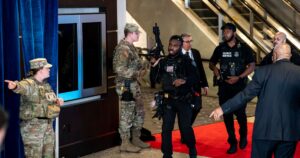
When authorities finally began evacuating the building, attendees emerged to discover the massive scale of the security response their ordeal had triggered. Chief correspondent Matt Gutman described the scene as “absolute mayhem,” with Secret Service agents pouring out with long guns and police officers drawing their weapons throughout the building. “We’re all now being pushed out,” he said in a video recorded during the evacuation. “We’re trying to figure out what’s going on here. Everybody’s being cleared from the building.” Outside, the deployment of resources was staggering—helicopters circled overhead, a drone monitored from the sky, and a “massive deployment of law enforcement” worked to establish a security perimeter and push the crowd back from the building. For the journalists who had been inside, many still in their formal attire, the contrast between the elegant evening they’d expected and the heavily armed security response they walked into was jarring. The scene resembled something from a war zone or terrorist attack rather than the aftermath of a black-tie dinner in Washington, D.C.
Journalists Become the Story: Reporting from the Inside
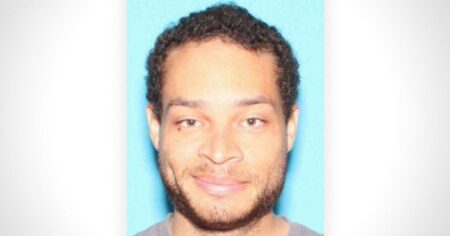
In a strange twist, the reporters who gather annually to celebrate press freedom found themselves becoming the story they were covering. Even as they sought safety, many continued doing what they do best—gathering information and sharing it with the public through social media videos and eyewitness accounts. This created a unique real-time documentation of a security crisis, with multiple perspectives from trained observers who happened to be present. Their accounts revealed not just what happened, but the human experience of fear, confusion, and the instinct to continue reporting even under duress. The incident also served as a sobering reminder of the current security climate in American politics. The fact that a gunman could charge a security checkpoint at an event attended by the President, Cabinet members, and other high-ranking officials highlighted ongoing concerns about political violence. For Olivia Rinaldi, the echoes of the Butler assassination attempt were impossible to ignore—the similar sound of gunfire, the smell of gunpowder, the sudden shift from normalcy to chaos. While authorities quickly detained the suspect and determined there was no ongoing threat, the psychological impact on those present will likely linger much longer. The evening that was meant to honor the relationship between the press and the presidency instead became a testament to the dangers facing both, and to the professionalism of security personnel and journalists alike in the face of genuine terror.