


Bijou Phillips Makes Urgent Public Plea for Kidney Donor
A Lifelong Battle With Kidney Disease
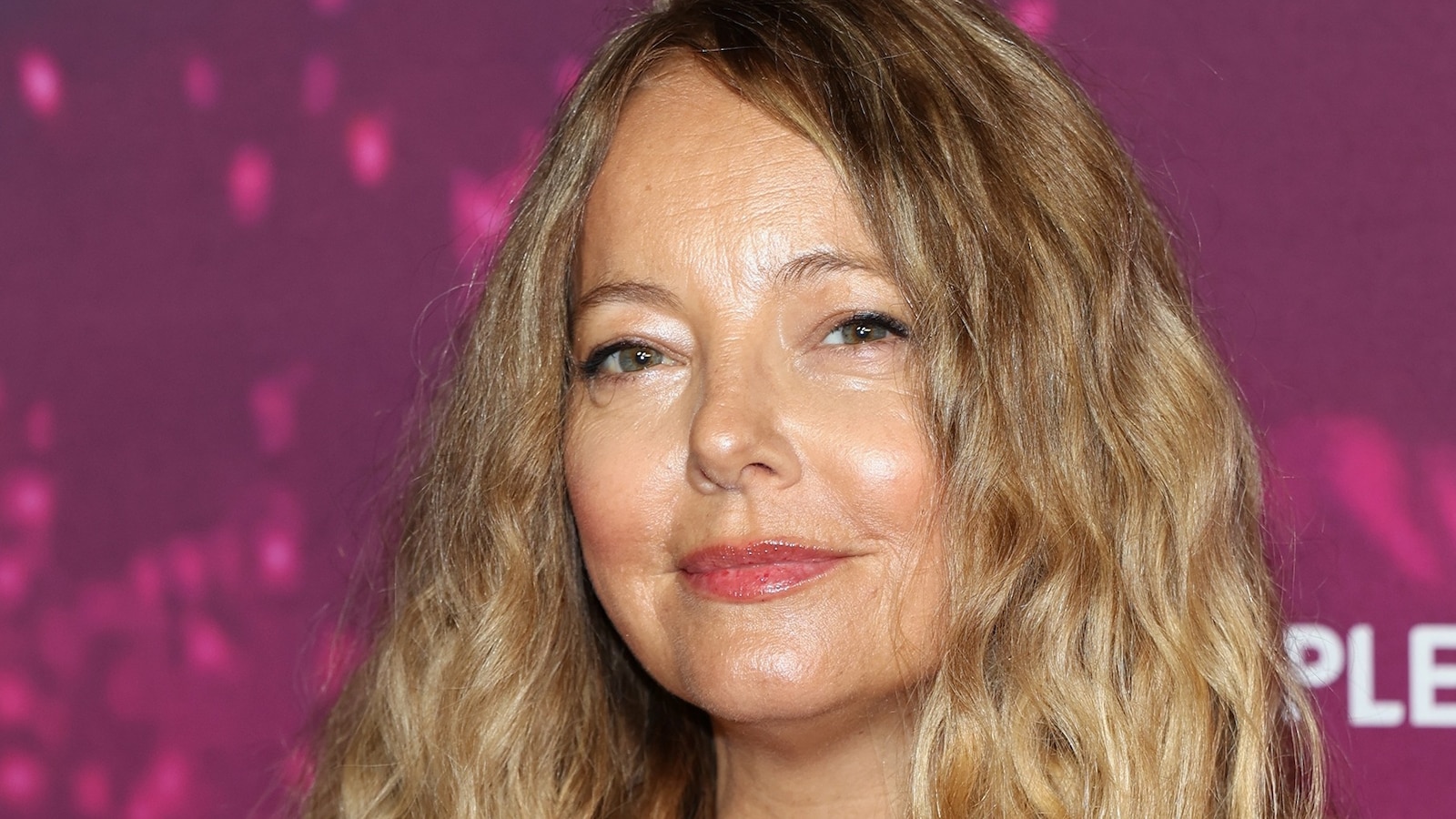
Bijou Phillips, the acclaimed actress known for her role in “Almost Famous,” has turned to social media with a heartfelt and urgent plea that has touched hearts across the nation. In a vulnerable Instagram post shared this Wednesday, Phillips revealed the critical state of her health, asking the public for help in finding a kidney donor. Her message was simple yet profound: “I need help finding a kidney.” This public appeal sheds light on a health struggle that has defined much of her life, dating back to her earliest days on Earth.
The actress’s kidney problems began at birth, a challenge she has courageously faced for decades. Phillips explained that she was born with underdeveloped kidneys, a congenital condition that immediately placed her tiny newborn body in a fight for survival. She spent her first three months of life in the Neonatal Intensive Care Unit (NICU), tethered to dialysis machines that performed the vital filtering functions her kidneys couldn’t manage on their own. For any parent, watching their infant struggle through such medical interventions would be unimaginably difficult, and for Phillips herself, this early health crisis set the stage for a lifetime of medical challenges and resilience. Her current situation represents not a new battle, but rather a continuation of a war she’s been fighting since her very first breath.
A Precious Gift and Eight Meaningful Years
In 2017, Phillips experienced what many kidney disease patients can only dream of—she received the extraordinary gift of life from a living donor. A dear friend stepped forward to donate a kidney to the actress, an act of selflessness that gave Phillips eight additional years of relatively normal life. Those eight years, as she describes them, were “precious” beyond measure, allowing her to embrace one of life’s most important roles: being a mother to her daughter. The significance of this time cannot be overstated. For someone who has lived with the shadow of kidney failure hovering over her since infancy, those eight years represented freedom, hope, and the opportunity to create memories with her child during formative years.
The relationship between organ donors and recipients is often described as sacred, creating bonds that transcend typical friendship. Phillips’s gratitude for her friend’s life-saving donation is evident in her words, acknowledging that this gift enabled her to be present for her daughter in ways that would have been impossible while on dialysis. The ability to attend school events, enjoy family outings, and simply be physically and emotionally available as a parent—these everyday experiences that many take for granted become treasured privileges for those living with organ failure. Phillips’s appreciation for those eight years highlights how organ donation doesn’t just extend life; it enhances the quality of that life in immeasurable ways.
Serious Complications and Medical Setbacks
Unfortunately, Phillips’s journey since her 2017 transplant has been far from smooth. She revealed that she has experienced “many complications,” with the most devastating being an infection with the BK virus, also known as polyomavirus. This common virus, which many people contract during childhood and carry throughout their lives without incident, can become a serious threat for organ transplant recipients. According to the National Kidney Foundation, the BK virus often lies dormant in the body but can reactivate following a kidney transplant, particularly in patients whose immune systems have been deliberately weakened to prevent organ rejection—creating a cruel medical catch-22.
In Phillips’s case, the BK virus infection triggered both cellular and antibody rejection of her transplanted kidney, essentially causing her body to turn against the very organ that had given her those precious years with her daughter. The virus can cause numerous troubling symptoms, including changes in vision, alterations in urine color, pain or difficulty during urination, increased frequency of urination, breathing difficulties, fever, and muscle pain. These symptoms not only signal kidney dysfunction but also significantly impact daily quality of life. The double rejection—both cellular and antibody-mediated—represents a particularly challenging medical situation, as it indicates that multiple aspects of her immune system are working against the transplanted organ. As a result of these complications, Phillips has been forced to return to dialysis, the same life-sustaining treatment she required as an infant, bringing her health journey full circle in a heartbreaking way.
An Urgent Call for Help
Now facing the reality of dialysis once again and the limitations it places on her life, Phillips has made the difficult decision to publicly appeal for help. Her Instagram post conveys both vulnerability and determination as she asks for assistance in finding a living kidney donor. “Please help me find a living donor so that I can have more time with my daughter, family, and friends,” she wrote, her words resonating with the universal desire to be present for loved ones. The phrase “time is of the essence” underscores the urgency of her situation—this isn’t a problem that can wait or resolve itself. Without a transplant, her quality of life remains severely compromised, and her ability to be the mother, family member, and friend she wants to be is significantly limited.
Phillips has taken practical steps to facilitate the donor search, including sharing a Google form link in her Instagram bio that surveys potential kidney donors. This organized approach demonstrates both her seriousness about finding a match and her understanding of the complexity of organ donation. Living kidney donation is a significant decision that requires compatible blood types, extensive medical testing, and a willingness to undergo major surgery. By creating an accessible pathway for interested donors to come forward, Phillips is making it easier for potential life-savers to begin the evaluation process. ABC News has reached out to Phillips’s representatives for additional information about her condition, indicating that her public plea has already garnered significant media attention, which could potentially expand the pool of possible donors.
Personal Challenges Beyond Health
Phillips’s health crisis comes during a period of significant personal upheaval in her life. The actress was previously married to Danny Masterson, former star of “That ’70s Show,” whose fall from grace shocked the entertainment industry and beyond. In 2023, Masterson was convicted of raping two women and subsequently sentenced to 30 years to life in prison—a conviction that carried devastating implications not just for the victims and Masterson himself, but also for his family. Following his conviction, Phillips filed for divorce from Masterson, according to the Los Angeles Times, marking the end of their marriage under the most difficult circumstances imaginable.
Phillips and Masterson share one daughter together, the same child Phillips so movingly references in her plea for a kidney donor. This means that beyond managing her own serious health crisis and the physical and emotional toll of dialysis, Phillips is also navigating single parenthood, the aftermath of a divorce, and the complex challenges of raising a child whose father is incarcerated. The weight of these combined circumstances makes her plea for a kidney all the more poignant. She isn’t just asking for more time in the abstract—she’s asking for the health and energy to be fully present for a daughter who has already experienced significant trauma and upheaval in her young life. Phillips’s determination to find a donor reflects not just a will to survive, but a fierce maternal desire to be there for her child during crucial developmental years, to provide stability, love, and presence during a time when her daughter needs her most. Her courage in speaking publicly about her health struggles, despite already being in the media spotlight for painful personal reasons, demonstrates remarkable strength and advocacy for her own survival and her family’s wellbeing.