

FBI Director Clashes With Local Sheriff Over Missing Person Case Handling
The Disappearance That Sparked Federal Attention
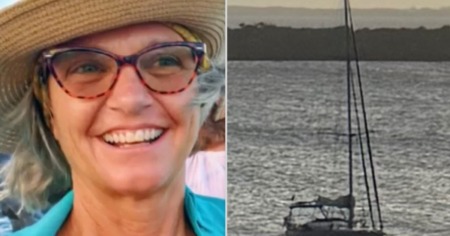
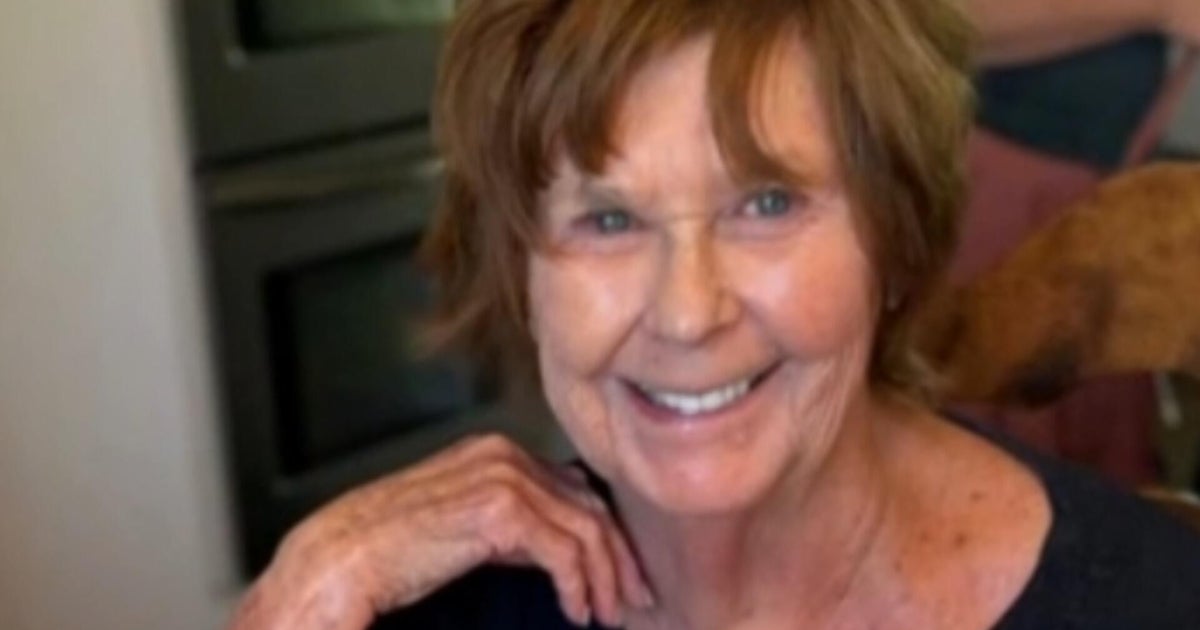
The mysterious disappearance of Nancy Guthrie, mother of NBC’s “Today” show co-host Savannah Guthrie, has become more than just a missing person case—it’s now at the center of a public dispute between federal and local law enforcement. Nancy Guthrie vanished from her Tucson, Arizona home over three months ago, last seen on January 31st. When she failed to show up at church the following day, a concerned friend reached out to the family, prompting them to report her missing on February 1st. What should have been a coordinated law enforcement effort has instead revealed tensions between FBI Director Kash Patel and Pima County Sheriff Chris Nanos over how the investigation was conducted in those crucial early days. The case has drawn national attention not only because of the family’s public profile but also because of the disturbing evidence that has emerged, including chilling doorbell camera footage of a masked suspect outside Guthrie’s home on the night she disappeared.
The FBI Director’s Criticism and Claims of Delayed Involvement
During a podcast interview with conservative commentator Sean Hannity on Tuesday, FBI Director Kash Patel didn’t hold back his criticism of local authorities, claiming that valuable time was lost in the early stages of the investigation. According to Patel, the Pima County Sheriff’s Department kept federal investigators at arm’s length during the critical first days after Guthrie’s disappearance. “For four days we were kept out of the investigation,” Patel stated during the interview, suggesting that local officials failed to recognize when a case required federal resources and expertise. Patel went on to highlight what he portrayed as investigative breakthroughs that occurred once the FBI was fully engaged, particularly regarding digital evidence from Guthrie’s doorbell camera system. His comments painted a picture of local law enforcement being out of their depth and resistant to federal assistance, potentially compromising the investigation during its most important early hours when leads are freshest and the trail hasn’t gone cold.
Sheriff Pushes Back Against Federal Narrative
Sheriff Chris Nanos wasn’t about to let the FBI Director’s characterization go unchallenged. In a statement posted on X (formerly Twitter), Nanos directly disputed Patel’s version of events, providing a significantly different timeline of federal involvement. According to the sheriff, a member of the FBI task force was actually on scene the very night Guthrie was first reported missing—not four days later as Patel’s comments seemed to suggest. “While the FBI director was not on scene, coordination with the bureau began without delay,” the sheriff’s statement clarified, emphasizing that collaboration between local and federal authorities started immediately rather than being delayed. The sheriff’s office also noted that just two days after Guthrie’s disappearance, they held a joint news conference with the FBI, demonstrating public cooperation between the agencies. This public contradiction of an FBI Director’s statements is relatively rare and underscores the seriousness with which local officials viewed what they considered mischaracterizations of their response to a high-profile case.
The Doorbell Camera Evidence and Google Involvement
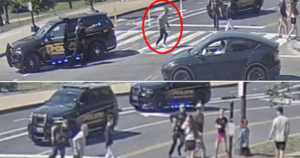
One of Patel’s key claims during his podcast appearance centered on what he described as breakthrough evidence obtained from Guthrie’s doorbell camera system. The FBI Director stated that when federal investigators were finally “let in” to the case, they immediately recognized the importance of the doorbell footage and took action to obtain it. “We went in and got the doorbell and we said, ‘Hey, is anyone talking to Google?'” Patel recounted, suggesting that local authorities hadn’t pursued this obvious lead. According to Patel, he personally reached out to Google leadership, and within days the company provided the chilling images that became central to the investigation. These images show a suspect described as a man of average build, approximately 5-foot-9 or 5-foot-10 in height, captured outside Guthrie’s home on the night of her suspected abduction. The suspect was wearing a face mask, gloves, and carrying a distinctive black Ozark Trail Hiker Pack backpack—details that have since been publicized in hopes that someone might recognize the individual or remember seeing someone matching this description. The implication in Patel’s telling was that without FBI intervention and his personal involvement with Google executives, this crucial evidence might not have been obtained—though Sheriff Nanos’ statement suggests a different narrative about the cooperation and investigative work already underway.
DNA Evidence and Laboratory Disputes
The disagreement between federal and local authorities extended beyond just the timeline of FBI involvement to include decisions about how physical evidence should be processed. Patel criticized local officials for choosing to send DNA evidence to a laboratory in Florida rather than utilizing the FBI’s renowned forensic laboratory in Quantico, Virginia. He claimed he had arranged for immediate transport, with a fixed-wing aircraft standing by ready to fly the evidence through the night to the FBI’s facilities, only to be told that local authorities were sending it to Florida instead. The implication was that this decision represented either poor judgment or stubbornness on the part of local officials, potentially delaying analysis during a time-sensitive investigation. However, Sheriff Nanos addressed this criticism directly in his statement, explaining that decisions regarding evidence processing “were made on scene based on operational needs”—suggesting there were valid investigative reasons for the choices made that the FBI Director either wasn’t aware of or chose not to acknowledge. Nanos further noted that the laboratory used by the Pima County Sheriff’s Department and the FBI Laboratory in Quantico “have worked in close partnership from the outset and continue to collaborate in the analysis of evidence,” indicating that the evidence wasn’t being kept away from federal experts but rather that multiple laboratories were working together on the case.
The Ongoing Search and Family’s Cleared Status
As this unusual public dispute plays out between federal and local law enforcement leadership, the tragic reality remains that Nancy Guthrie is still missing after more than three months, and her family continues to wait for answers. Investigators have at least been able to clear one avenue of inquiry—Guthrie’s family members, including her television personality daughter, have been ruled out as having any involvement in her disappearance. This is standard procedure in missing person cases, where those closest to the victim are typically investigated first, but it does allow investigators to focus their efforts elsewhere. The case remains active, with both local and federal authorities—despite their apparent disagreements about the early handling—continuing to work toward finding Guthrie and identifying the suspect captured on her doorbell camera. The public nature of the disagreement between Patel and Nanos is unusual and potentially concerning, as inter-agency cooperation is typically crucial in solving complex cases that cross jurisdictional boundaries. Whether this public airing of grievances will have any impact on the ongoing investigation remains to be seen, but it certainly highlights the sometimes complicated relationships between different levels of law enforcement, even when everyone theoretically shares the same goal of solving a case and bringing a missing person home safely.