


Global Humanitarian Crisis Deepens as Middle East War Disrupts Aid Supply Chains
A Perfect Storm Threatening Millions of Vulnerable Lives
The ongoing conflict in the Middle East has created a cascading humanitarian disaster that extends far beyond the immediate war zones, according to urgent warnings from international aid organizations. What began as a regional conflict has transformed into a global crisis affecting millions of people who depend on humanitarian assistance for their survival. The war has effectively paralyzed critical shipping routes and disrupted the intricate supply chains that aid organizations rely upon to deliver food, medicine, and essential supplies to vulnerable populations across Africa, Asia, and the Middle East. Organizations like the World Food Program, UNICEF, and the International Rescue Committee are sounding the alarm that if the violence continues, the suffering of the world’s most vulnerable people will intensify dramatically, potentially pushing humanitarian operations beyond their breaking point and creating a ripple effect of hunger, disease, and death across continents.
Transportation Nightmares and Skyrocketing Costs
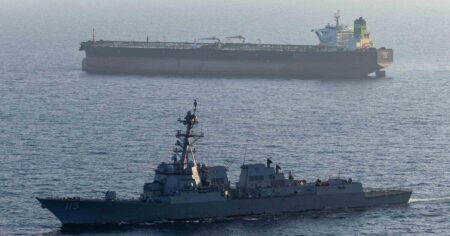
The practical challenges facing aid organizations have become almost insurmountable as traditional supply routes have been severed or rendered too dangerous to use. The Strait of Hormuz, one of the world’s most strategic waterways through which a significant portion of global trade flows, has been effectively shut down for humanitarian shipments. Critical transport hubs in Dubai, Doha, and Abu Dhabi—cities that serve as vital distribution centers for aid destined for some of the world’s poorest regions—have seen their operations severely impacted. The consequences are staggering: the World Food Program reports tens of thousands of metric tons of food sitting in limbo, heavily delayed in transit while hungry people wait. The International Rescue Committee has $130,000 worth of life-saving pharmaceuticals intended for war-ravaged Sudan stranded in Dubai, unable to reach the doctors and patients desperately needing them. Nearly 670 boxes of therapeutic food designed to save severely malnourished children in Somalia remain stuck in India, each day of delay potentially meaning another child’s death. The U.N. Population Fund has been forced to postpone sending critical equipment to 16 different countries. To make matters worse, the costs of what shipments can get through have exploded—fuel prices have surged, insurance rates for vessels have skyrocketed due to war risks, and humanitarian organizations are facing up to a 20% increase in shipping costs according to United Nations estimates, making this the most significant supply chain disruption since the COVID-19 pandemic.
Creative but Costly Solutions
Faced with unprecedented obstacles, humanitarian organizations have been forced to develop creative workarounds that add significant time and expense to their operations. Many have abandoned traditional routes entirely, choosing instead to send vessels on the long journey around the entire African continent to avoid the Strait of Hormuz and the Suez Canal—a detour that adds weeks to delivery times when every day matters for people facing starvation or medical emergencies. Others are employing complex hybrid approaches, combining land, sea, and air transport in elaborate relay systems to get supplies to their destinations. Jean-Cedric Meeus, who oversees global transport and logistics for UNICEF, described how his organization has completely reimagined its vaccine delivery system. Before the war, vaccines destined for Iran would be flown directly from manufacturers around the world—a straightforward process that ensured these temperature-sensitive, life-saving medicines arrived quickly. Now, UNICEF flies vaccines to Turkey, then trucks them overland into Iran, a circuitous route that has increased costs by 20% and added ten days to the journey—ten precious days when disease can spread unchecked. Save the Children International faces similar challenges with supplies normally shipped by ocean freight from Dubai to Port Sudan. Their new route requires trucking goods from Dubai through Saudi Arabia, then loading them onto barges to cross the Red Sea—a journey that takes an additional 10 days and costs 25% more, at a time when over 19 million Sudanese people are facing acute food insecurity and more than 90 primary health care facilities are at risk of running out of essential medicines.
Impossible Choices and Shrinking Resources
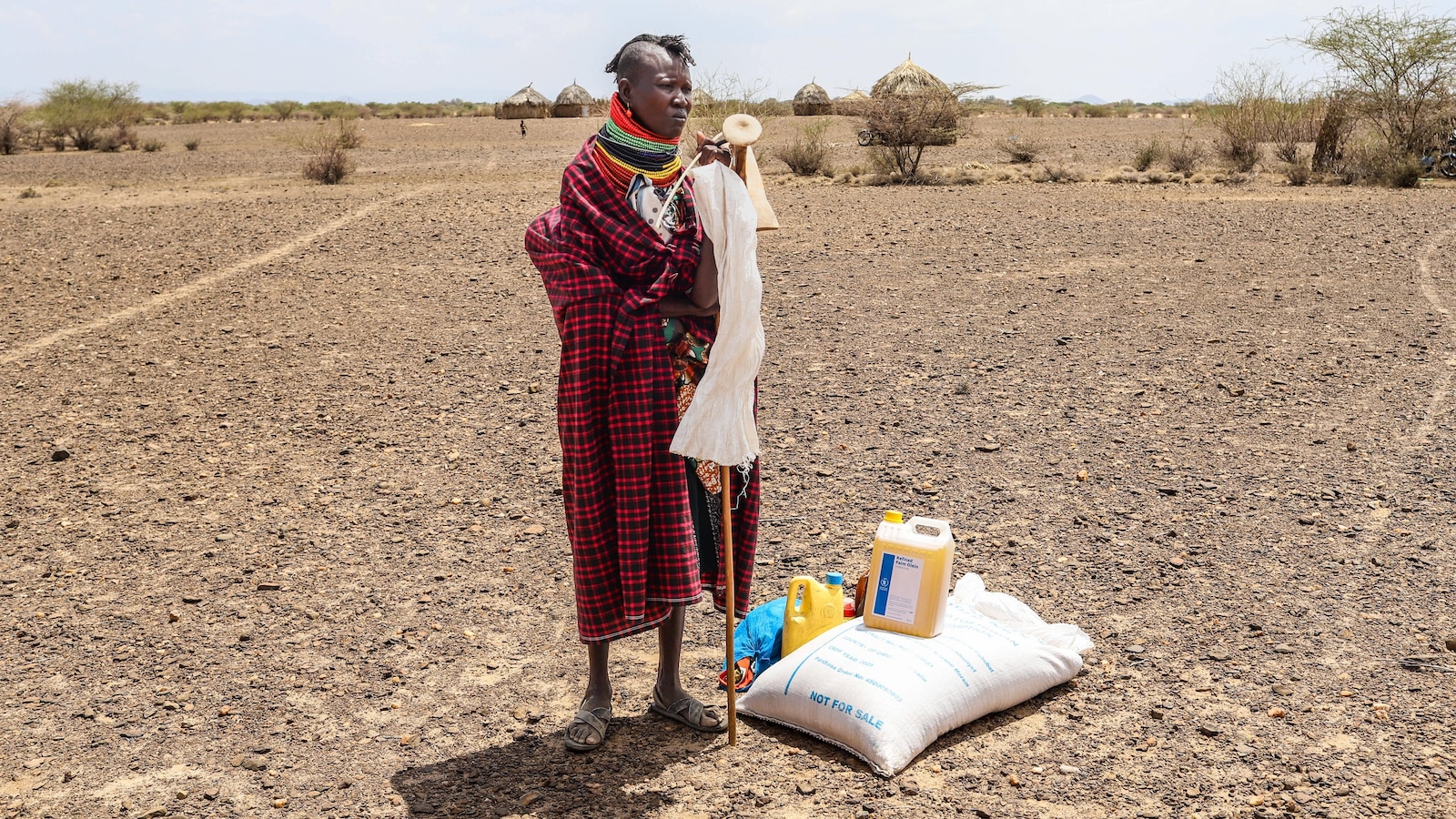
The financial strain has forced humanitarian organizations into making heartbreaking decisions about who receives help and who goes without. As Janti Soeripto, president of Save the Children for the United States, explained with painful clarity: “In the end, you sacrifice either the number of children that you serve … or you sacrifice the number of items that you can afford to buy.” These aren’t abstract budgetary discussions—they’re life-and-death decisions about which children eat and which go hungry, which communities receive medical care and which face disease without treatment. The situation was already dire before the war escalated, as steep cuts to U.S. foreign aid had hobbled many organizations, stretching already-thin resources to their breaking point. The war has poured fuel on this smoldering crisis. Within affected countries, rising fuel costs are creating additional barriers that prevent people from accessing the limited help that is available. In Somalia, where some 6.5 million people are experiencing acute food insecurity, Doctors Without Borders reports that soaring fuel prices have driven up transportation costs, making it prohibitively expensive for sick and hungry people to travel to clinics and distribution centers. In Nigeria, the International Rescue Committee has documented fuel price increases of 50%, forcing clinics to make agonizing decisions about whether to power essential medical equipment or scale back operations entirely, with mobile health teams that once traveled to remote communities now unable to afford the journey.
A Looming Hunger Catastrophe
Perhaps the most alarming long-term consequence of the conflict involves the global food system itself, with experts warning of a hunger catastrophe that could dwarf even the immediate supply chain problems. The World Food Program has issued a stark warning: if fighting continues through June, an additional 45 million people will face acute hunger, adding to the nearly 320 million people already experiencing severe food insecurity around the world. The mathematics of this crisis are sobering—approximately 30% of the world’s fertilizer supply passes through the Strait of Hormuz, and with planting season approaching in critical agricultural regions like East Africa and South Asia, small farmers in poor countries are facing disaster. Without fertilizer, crop yields will plummet, creating food shortages that will reverberate for years. Sudan, already devastated by conflict and displacement, imports more than half its fertilizer from the Gulf region; Kenya depends on the area for approximately 40% of its fertilizer needs. The United Nations Secretary-General has established a task force to facilitate fertilizer trade, modeled on the Black Sea Grain Initiative that helped address food security concerns during the Ukraine conflict, but aid organizations warn this won’t be nearly enough without a ceasefire and significantly increased funding from wealthy nations.
The International Response and the Road Ahead
Humanitarian experts and aid workers are frustrated by what they perceive as a slower and less robust international response to this crisis compared to previous conflicts, particularly the war in Ukraine, which prompted massive and rapid mobilization of resources. Some analysts suggest this disparity reflects a fundamental shift in priorities among wealthy nations, with governments increasingly choosing to invest in defense and security rather than humanitarian aid during a period of global instability. Sam Vigersky, an international affairs fellow at the Council on Foreign Relations who has studied the war’s impact on humanitarian operations, put it bluntly: “They’re making hard choices between defense security and humanitarian aid.” He noted that when the United States enters conflicts, it typically includes provisions for humanitarian assistance, but hasn’t been “activating” those mechanisms during this war. “It’s not a capacity issue, it’s a policy decision,” he emphasized, suggesting that the resources exist but the political will to deploy them is lacking. The U.S. State Department has defended its record, with spokesperson Tommy Pigott asserting that the United States remains the “most generous country in the world” for humanitarian aid, and pointing to a recent release of $50 million in emergency assistance to Lebanon, including support for the World Food Program. However, aid organizations argue that much more is needed, and quickly, before supply chain disruptions that have already begun translate into mass starvation, preventable disease outbreaks, and countless unnecessary deaths. The clock is ticking, and for millions of the world’s most vulnerable people—children facing malnutrition, families fleeing violence, communities struggling to survive—every day of delay brings them closer to catastrophe.