



When a Simple Power Bank Turned a Routine Flight Into an Emergency
A Frightening Mid-Flight Fire Forces Emergency Return
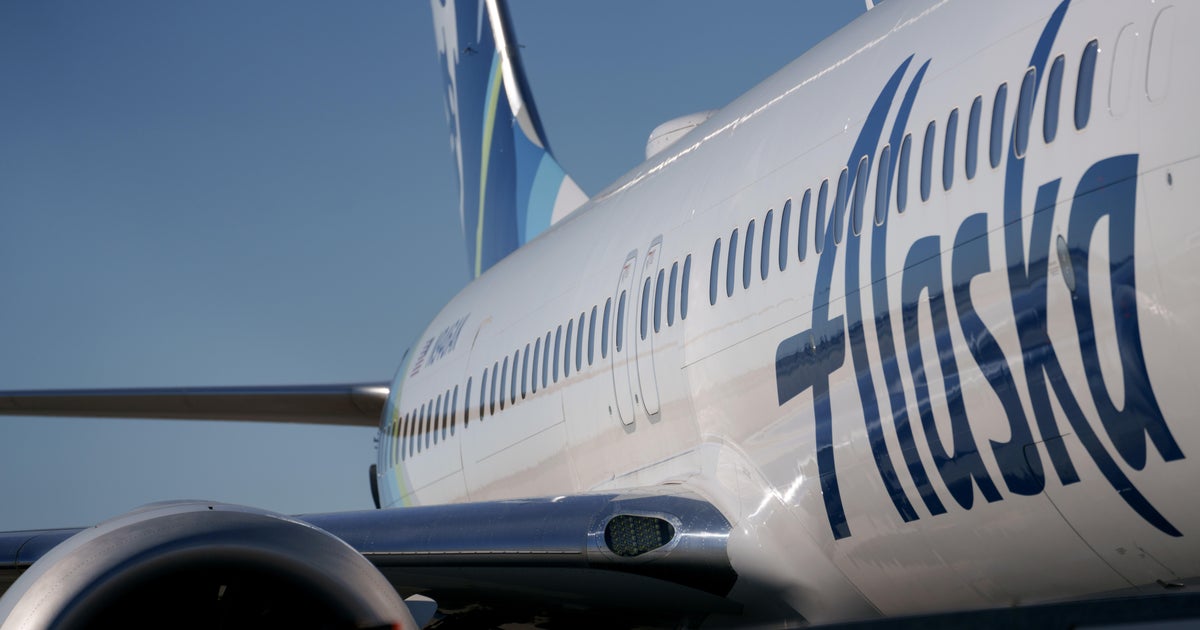
What should have been an ordinary Sunday afternoon flight turned into a heart-stopping emergency when a passenger’s portable charger suddenly burst into flames at 30,000 feet. Alaska Airlines Flight operated by Horizon Air was making its way from Wichita, Kansas, toward Seattle, Washington, when crew members and passengers witnessed something that strikes fear into the heart of any air traveler—fire aboard an aircraft. The culprit was something millions of people carry in their bags every day: a portable power bank used for charging phones and other electronic devices. According to both Alaska Airlines and the Federal Aviation Administration, the device overheated and ignited, forcing the flight crew to spring into immediate action to protect everyone on board.
The trained crew members didn’t hesitate. They quickly deployed a fire extinguisher to battle the flames, working to contain what could have become a catastrophic situation. Once they had knocked down the fire, they took additional precautions by placing the still-smoldering device into a special thermal containment bag—essentially a fireproof pouch designed specifically for situations like this. These bags are now standard equipment on commercial aircraft precisely because of the increasing number of battery-related fires. With the situation under control but far from resolved, the pilots made the decision to turn the Embraer 175 jet around and head back to Wichita. Safety protocols demanded they get the plane on the ground as quickly as possible, and that’s exactly what they did. The aircraft made it back safely, landing without further incident and taxiing to the gate where emergency personnel were standing by.
The Passenger’s Ordeal and Aftermath
Once the plane returned to the gate, the passenger who had been using the device when it caught fire received immediate medical attention. While Alaska Airlines and the FAA confirmed that medical care was provided, neither organization released information about the extent of any injuries or the passenger’s current condition. Anyone who has been near a lithium battery fire knows they produce intense heat and potentially toxic fumes, so it’s reasonable to assume the passenger may have suffered burns, smoke inhalation, or both. The silence regarding her condition leaves many questions unanswered, though privacy regulations often prevent airlines from disclosing such personal medical information.
For the other passengers on board, what began as a routine travel day ended with significant delays and undoubtedly frayed nerves. No one boards an airplane expecting to witness a fire, and the psychological impact of such an event shouldn’t be underestimated. Alaska Airlines later confirmed that all passengers eventually arrived in Seattle on a rescheduled flight, and the airline expressed appreciation for their patience during what must have been an incredibly stressful situation. While “patience” seems like an understatement given the circumstances, most travelers likely felt grateful simply to have landed safely and to be continuing their journey on another aircraft that hadn’t just experienced an onboard fire.
Why Battery Fires Are Such a Serious Threat
The Federal Aviation Administration has now launched a full investigation into the incident, as they do with all events involving what they classify as “dangerous goods” aboard aircraft. This category includes batteries, battery-powered devices, and even aerosols—essentially anything that could potentially combust or explode under certain conditions. Lithium batteries, which power everything from smartphones and laptops to portable chargers and electric toothbrushes, present particular concerns for aviation safety. These compact powerhouses pack tremendous energy into small spaces, which is exactly what makes them so useful for our portable electronic lifestyles. Unfortunately, that same characteristic also makes them potentially dangerous when they malfunction, are damaged, or are manufactured with defects.
The FAA strictly regulates how passengers can transport lithium batteries on commercial flights. There are limits on the wattage allowed, and passengers are prohibited from packing lithium batteries in checked luggage that goes into the cargo hold. The reason for this rule is simple: if a battery catches fire in the passenger cabin, crew members can respond immediately with fire extinguishers and containment bags. If that same fire starts in the cargo hold beneath the plane, it could go undetected long enough to become catastrophic before anyone even knows there’s a problem. Between 2006 and 2023, the FAA documented 472 separate incidents involving lithium batteries on aircraft. Nearly 200 of those incidents specifically involved portable battery packs or power banks—the very type of device that caused Sunday’s emergency. These aren’t isolated freak occurrences; they represent a persistent and growing challenge as passengers bring more and more battery-powered devices aboard every flight.
Understanding the Unique Dangers of Lithium Battery Fires
What makes lithium battery fires particularly terrifying, especially in the confined space of an aircraft cabin, is how difficult they are to extinguish. According to the National Fire Protection Association, these fires don’t behave like ordinary fires. Traditional fire extinguishers can knock down the flames temporarily, but lithium batteries can reignite even after they appear to be out. The batteries can enter a state called “thermal runaway,” where the heat generated by the malfunction causes a self-sustaining reaction that continues to produce more heat and can cause the battery to burst into flames repeatedly. This is why flight crews now carry those special thermal containment bags—they’re designed to isolate the device and prevent the fire from spreading while also containing the toxic fumes these fires produce.
Those fumes represent another serious hazard. When lithium batteries burn, they release a cocktail of toxic gases and particles that can cause respiratory distress, eye irritation, and other health problems. In the enclosed environment of an aircraft cabin, where the air is recirculated and passengers can’t simply step outside for fresh air, toxic fumes from a battery fire can affect everyone on board within minutes. This is why flight crews train extensively for these scenarios and why they take even small battery incidents so seriously. What might seem like a minor malfunction on the ground becomes a major emergency at altitude. While the FAA and Alaska Airlines have not specifically confirmed whether the device in Sunday’s incident contained lithium batteries, the vast majority of portable chargers and power banks do use this technology, making it the most likely culprit.
What This Means for Travelers and the Future of Flight Safety
This incident serves as a sobering reminder that the devices we depend on every day for staying connected carry real risks, especially when we bring them into the unique environment of commercial aviation. Most of us board flights with phones, laptops, tablets, wireless headphones, portable chargers, and other battery-powered gadgets without giving it a second thought. The Alaska Airlines emergency should prompt all travelers to think more carefully about the electronic devices they pack and how they handle them during flights. Passengers should inspect power banks and other battery devices before travel, looking for any signs of damage, swelling, or defects. Damaged batteries are exponentially more likely to malfunction. It’s also wise to keep these devices in carry-on baggage rather than checked luggage (as regulations require), and to avoid using or charging them during critical phases of flight when a fire would be most dangerous.
For airlines and regulators, incidents like this highlight the need for continued vigilance and evolving safety protocols. As battery technology continues to advance and passengers bring even more devices on board, the risk of battery-related fires will likely persist or even increase. The good news is that crew training, safety equipment like thermal containment bags, and passenger education are all improving. The fact that Sunday’s incident ended with everyone safely on the ground—rather than in tragedy—demonstrates that current protocols can work when properly executed. However, there’s no room for complacency. The FAA’s investigation will likely examine whether anything could have been done differently and whether additional safety measures might prevent similar incidents in the future. For the passengers and crew who experienced this frightening emergency firsthand, the incident will undoubtedly serve as a lasting reminder that even routine flights can turn dangerous in an instant, and that the safety procedures airlines follow aren’t just bureaucratic formalities—they’re potentially life-saving protocols developed in response to real dangers that exist every time we take to the skies.