
All Eyes on Wellington for the $1M Rolex U.S. Equestrian Open Grand Prix
The Pinnacle of Equestrian Sport Arrives in Florida
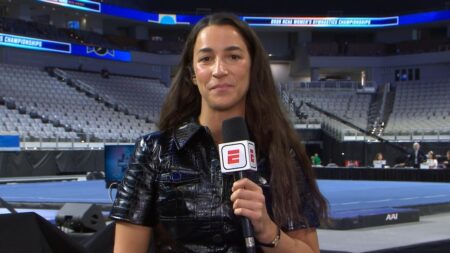
Wellington, Florida, has long been recognized as the winter equestrian capital of the United States, but this weekend, it transforms into the epicenter of global show jumping excellence. The $1M Rolex U.S. Equestrian Open Grand Prix represents one of the most prestigious and lucrative competitions in the sport, drawing the world’s elite riders and their magnificent equine partners to compete for not just the substantial prize purse, but also for the honor and prestige that comes with victory at such a high-profile event. The competition, scheduled for March 27, 2026, promises to deliver edge-of-your-seat excitement as horse and rider combinations navigate a treacherous course designed to test the absolute limits of athletic ability, courage, and partnership. Equestrian commentator Steven Wilde, whose insights have helped countless fans understand the nuances of this demanding sport, describes this year’s event as potentially one of the most competitive in recent memory, with several past champions returning alongside hungry newcomers determined to make their mark on the international stage.
The significance of Wellington as a host venue cannot be overstated. Throughout the winter months, this Palm Beach County community becomes a temporary home to thousands of horses, riders, trainers, and support staff who converge on the Palm Beach International Equestrian Center for what amounts to a season-long celebration of equestrian sport. The facilities in Wellington are world-class, featuring immaculate footing, professional course design, and spectator amenities that rival any major sporting venue. For the $1M Rolex Grand Prix, the already impressive venue elevates its presentation even further, with special lighting, enhanced landscaping, and VIP experiences that make this not just a sporting competition but a genuine social event that attracts celebrities, business leaders, and equestrian enthusiasts from around the world. The atmosphere is electric yet sophisticated, combining the raw excitement of athletic competition with the traditional elegance that has characterized equestrian sport for centuries.
Understanding the Challenge: Course Design and Strategy
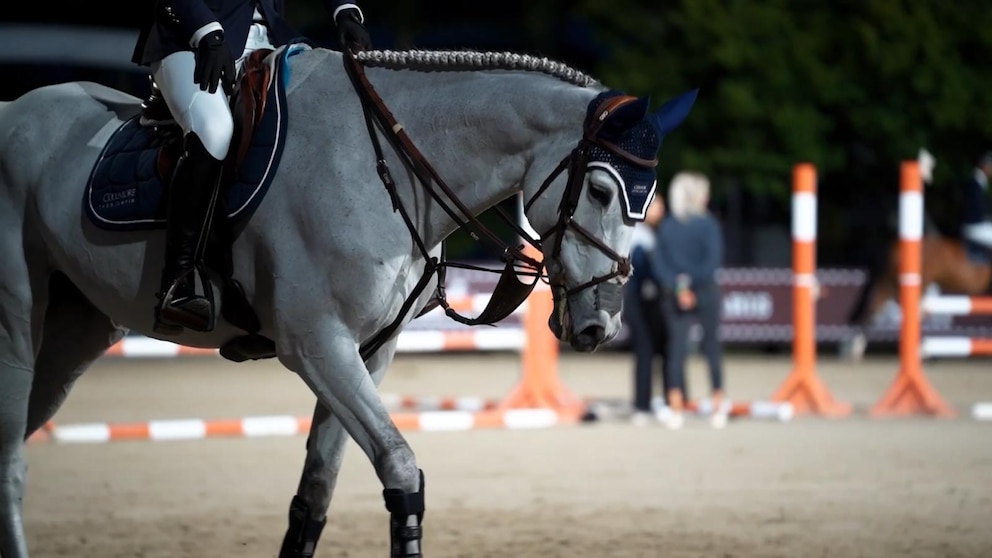
What makes the $1M Rolex U.S. Equestrian Open Grand Prix so extraordinarily challenging is the course itself—a carefully designed obstacle course featuring towering jumps, technical combinations, and strategic elements that require riders to make split-second decisions while traveling at considerable speed. Steven Wilde explains that at this level of competition, the jumps can reach heights of 1.60 meters (approximately 5’3″) or higher, with spreads that can extend even further, creating obstacles that demand both tremendous power and incredible precision from the horses. The course designer must walk a fine line between creating a fair test that allows the best combinations to shine while also providing enough difficulty to produce a clear winner from among the world’s elite. Each element of the course serves a purpose—tight turns that test maneuverability, long galloping stretches that reward brave riding, combination fences that demand careful striding, and imposing oxers and verticals that require horses to use every ounce of their scope and athletic ability.
Strategy plays an equally crucial role as raw athletic ability in these competitions. Wilde points out that riders must walk the course multiple times before their round, mentally rehearsing every turn, calculating the number of strides between fences, and identifying the optimum track that will allow them to be both fast and clear. Different riders will choose different approaches to the same course—some may opt for efficiency with tighter turns and fewer strides, accepting slightly more risk in exchange for potential time advantages, while others might choose a more conservative track that prioritizes clear rounds over speed. The decision-making becomes even more complex in jump-off situations, where the handful of riders who complete the initial course without faults return to contest a shortened, timed course where fractions of a second can mean the difference between victory and also-ran status. In these pressure-packed moments, the partnership between horse and rider becomes paramount—mutual trust, communication through subtle aids, and the horse’s willingness to respond to the rider’s requests all contribute to success or failure.
The horses themselves represent the culmination of centuries of selective breeding, years of careful training, and natural athletic gifts that would be remarkable in any species. The typical grand prix show jumper stands between 16 and 17 hands tall (approximately 5’4″ to 5’8″ at the withers), possesses powerful hindquarters that generate the thrust needed to clear massive obstacles, and demonstrates a unique combination of courage, athleticism, and tractability that allows them to perform at such extraordinary levels. Wilde emphasizes that while bloodlines and breeding matter, the truly great show jumpers also possess an intangible quality—what horsemen call “heart”—a willingness to try their absolute hardest for their rider even when faced with intimidating obstacles. Many of the horses competing in Wellington have already proven themselves on the international stage, with competition records that include victories at other major grands prix, Nations Cup appearances representing their countries, and in some cases, Olympic or World Championship experience.
The Contenders: Riders and Horses to Watch
Among the stellar field assembled for this year’s competition, several combinations stand out as legitimate contenders for the top prize. Wilde identifies a mixture of established champions and rising stars who have demonstrated the form, partnership, and competitive temperament necessary to excel under the intense pressure that comes with a million-dollar competition. The returning champions bring experience and proven ability under pressure, having previously navigated the unique challenges that come with high-stakes competition where the difference between glory and disappointment can come down to a single rail or a fraction of a second. These veterans understand how to pace their horses through a long day of competition, how to stay mentally focused despite long waiting periods, and how to deliver their best when the stakes are highest. Their horses, too, have been in these situations before, giving them an edge in terms of ring experience and comfort in the high-pressure environment.
The younger riders and less experienced combinations, meanwhile, bring their own advantages to the competition—often riding with a fearlessness that comes from having less to lose, unconstrained by the weight of past expectations or the pressure to defend previous victories. Wilde notes that in recent years, several surprise winners have emerged in major grands prix, with relatively unknown combinations putting together the rounds of their lives at exactly the right moment. These riders often benefit from having trained with top professionals, having access to exceptional horses, and possessing the technical skills that have been honed through modern training methods and sports science. The international flavor of the competition adds another dimension, with riders from Europe, South America, and other parts of the world bringing different riding styles, training philosophies, and competitive approaches to the arena.
The horses competing represent significant financial investments beyond just their monetary value—the costs of training, maintaining, transporting, and campaigning a grand prix show jumper can easily run into hundreds of thousands of dollars annually. Many are owned by syndicates or wealthy patrons who have the resources to support these equine athletes at the highest level. The relationship between owner, rider, and horse creates a triangle of interests where success benefits everyone—owners gain prestige and potentially increased breeding value for their horses, riders advance their professional careers and earning potential, and the horses themselves, when managed ethically, enjoy lives as pampered athletes with access to the best care, nutrition, and veterinary attention available. Wilde emphasizes that while the competition is fierce, the equestrian community generally maintains high standards of horsemanship and animal welfare, with rules and veterinary oversight designed to protect the horses’ wellbeing.
The Spectacle and Tradition of Grand Prix Show Jumping
Beyond the athletic competition itself, the $1M Rolex U.S. Equestrian Open Grand Prix represents a celebration of tradition, elegance, and the unique bond between humans and horses that has characterized equestrian sport for generations. The visual spectacle is stunning—powerful horses moving with grace and purpose, riders in traditional hunt coats and helmets, jumps decorated with flowers and sponsor logos, and the manicured arena that serves as the stage for this drama. Steven Wilde describes the atmosphere as unlike any other sporting event, combining the tension of high-stakes competition with a sophisticated ambiance that reflects the sport’s aristocratic heritage while also embracing modern entertainment values. The soundtrack of a grand prix—the thundering of hooves, the collective gasp of the crowd when a combination clears an especially challenging obstacle, the groans when a rail falls, and the enthusiastic applause for exceptional rounds—creates an emotional roller coaster for spectators that makes for compelling viewing whether you’re a lifelong equestrian or a first-time observer.
The timing of the competition in the evening adds to the dramatic presentation, with lighting that highlights both the athletic performance and creates an intimate atmosphere despite the large venue. Spectators in Wellington will enjoy not just the grand prix itself but also the social aspects of the event—VIP hospitality areas, opportunities to see the horses up close, and the chance to mingle with fellow equestrian enthusiasts who share a passion for the sport. For those unable to attend in person, broadcast coverage brings the action to viewers around the world, with multiple camera angles, expert commentary, and production values that help even novice viewers understand what they’re watching and appreciate the difficulty of what these horses and riders accomplish. Wilde’s commentary, in particular, helps decode the sport for broader audiences, explaining technical aspects in accessible language while also providing insights into rider strategy, horse behavior, and the split-second decisions that can determine the outcome of competition.
The partnership between Rolex and equestrian sport spans decades, with the Swiss watchmaker having supported the sport at the highest levels through sponsorship of major competitions, individual riders, and prestigious venues worldwide. This association reflects shared values of precision, excellence, tradition, and performance—qualities embodied both in fine timepieces and in championship show jumping. The million-dollar prize purse places this competition among the most lucrative in the sport, ensuring that it attracts the absolute best competitors and receives significant media attention that helps elevate equestrian sport in the public consciousness. For the sport’s stakeholders—riders, owners, trainers, breeders, and governing bodies—events like the Wellington grand prix serve crucial roles in maintaining show jumping’s relevance and appeal, providing compelling content for spectators while also supporting the economic ecosystem that sustains professional equestrian sport.
The Road to Victory: What It Takes to Win
Winning a competition of this magnitude requires an almost perfect convergence of factors—the right horse in peak condition, a rider performing at their absolute best, strategic decisions that prove correct, and often a measure of good fortune that sees rails stay up despite being touched and tight time-allowed limits being met. Wilde explains that preparation for an event like the Rolex Grand Prix typically begins months in advance, with riders carefully managing their horses’ competition schedules to ensure they arrive in Wellington fit, sound, and sharp but not overtired from excessive competition. The training regimen for a grand prix horse includes not just jumping practice but also flatwork to develop suppleness and responsiveness, fitness work to build the cardiovascular and muscular strength needed for explosive efforts, and mental preparation to help horses remain focused and confident even in challenging situations.
In the days immediately before the competition, riders will school their horses over practice jumps, often adjusting equipment like bits, nosebands, or studs in the horses’ shoes to optimize control and traction. They’ll walk the course multiple times, sometimes with trainers or fellow competitors, discussing options and refining their planned approaches. Mental preparation matters too—at this level, riders must manage their own nerves and maintain confidence while also projecting calm assurance to their horses, who can sense and react to any tension or uncertainty from their partners. The actual competition day involves careful timing of warm-up efforts—jumping just enough to prepare the horse without tiring it, and timing the warm-up so the horse is at peak readiness when its turn to compete arrives. These logistical and psychological elements, while less visible than the actual competition rounds, can prove just as important to the final outcome as riding skill or horse quality.
The $1M Rolex U.S. Equestrian Open Grand Prix in Wellington represents show jumping at its finest—a perfect storm of world-class athletes, both human and equine, competing on a challenging course for significant stakes before knowledgeable spectators in a premier venue. Whether you’re a lifelong equestrian enthusiast or someone discovering the sport for the first time, this competition offers something special: the chance to witness true excellence, to appreciate the profound partnership between horse and rider, and to experience the thrill of competition where years of preparation culminate in a few brief, intense minutes in the arena. As Steven Wilde and other experts prepare to call the action, the equestrian world focuses its attention on Wellington, eager to discover which combination will rise to the challenge and claim victory in one of the sport’s most prestigious events.