


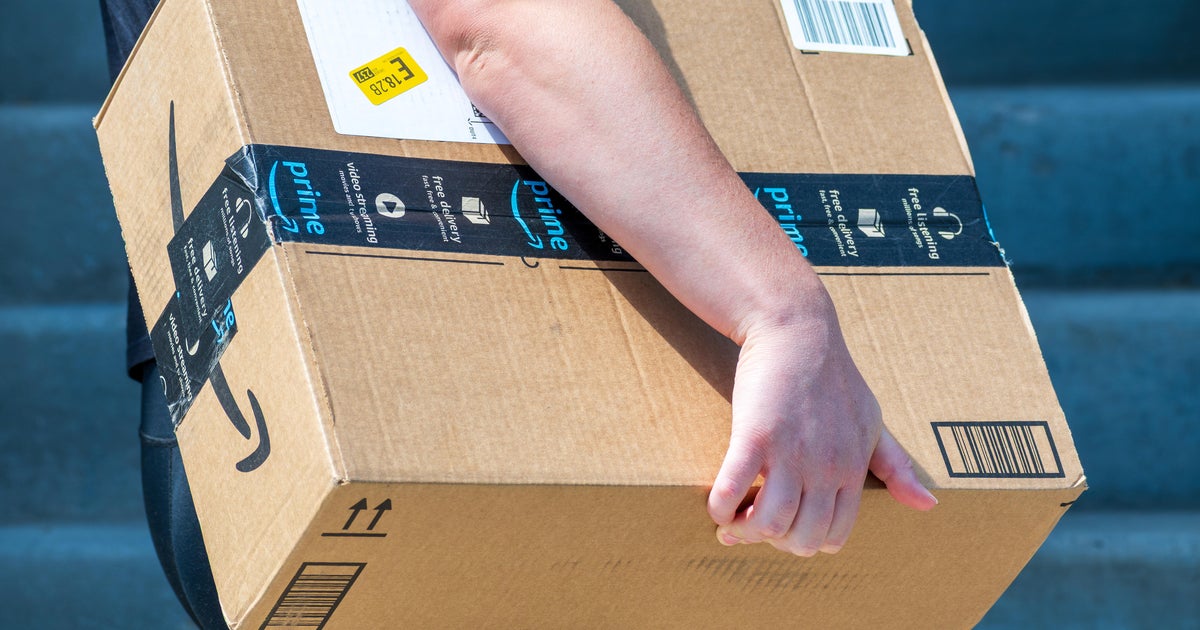

Amazon Accelerates Delivery Wars with Lightning-Fast One and Three-Hour Options
The Race Against Time: Amazon’s Latest Delivery Revolution
In today’s fast-paced world where instant gratification has become the norm rather than the exception, Amazon is pushing the boundaries of what consumers can expect from online shopping. The e-commerce behemoth announced this Tuesday that it’s rolling out an ambitious expansion of its delivery services, introducing one-hour and three-hour delivery options across numerous cities throughout the United States. This move represents a significant escalation in the ongoing battle between online retailers and traditional brick-and-mortar stores, as Amazon works to eliminate one of the last remaining advantages that physical stores have held over their digital competitors: immediate product availability. The company’s decision to invest heavily in ultra-fast delivery infrastructure signals a fundamental shift in how we’ll shop for everyday necessities in the coming years. For millions of Americans who have grown accustomed to same-day delivery, even that option might soon feel antiquated as Amazon raises the bar for what constitutes “fast” in the world of e-commerce.
Widespread Availability Across America’s Urban and Suburban Landscape
Amazon’s aggressive rollout of these expedited delivery services isn’t limited to just the nation’s largest metropolitan areas. While major cities like Chicago, Houston, Los Angeles, Nashville, Oklahoma City, and Washington, D.C. are among the first to receive the premium one-hour delivery option, the company has also extended this service to smaller communities that rarely see such cutting-edge retail innovations. Cities like Des Moines, Iowa; Boise, Idaho; and American Fork, Utah are now on the one-hour delivery map, demonstrating Amazon’s commitment to serving customers beyond traditional urban centers. The three-hour delivery option is even more widely available, reaching over 2,000 cities of varying sizes across the country. This includes not just major population centers but also suburbs and smaller towns like Cornwall, Pennsylvania; Harrah, Oklahoma; and Arabi, Louisiana. This geographical diversity in service availability represents Amazon’s understanding that the demand for convenience isn’t confined to big-city dwellers. The company has promised that this is just the beginning, with plans to continue expanding these accelerated delivery options to additional cities in the coming months, ensuring that more Americans will soon have access to nearly instantaneous product delivery.
A Comprehensive Selection for Urgent Needs
One of the most impressive aspects of Amazon’s new ultra-fast delivery service is the breadth of products available for expedited shipping. Unlike some limited quick-delivery services that focus exclusively on food or a narrow range of emergency items, Amazon has ensured that customers can receive a wide variety of goods within hours of ordering. The product catalog eligible for one-hour and three-hour delivery includes essential household supplies that people often need in a hurry, such as paper towels, toilet paper, and cleaning products. Health and beauty items are also available, allowing customers to quickly replenish their supplies of personal care products without making an emergency run to the drugstore. Over-the-counter medications represent another crucial category, giving people the ability to get relief from sudden ailments without leaving their homes. Beyond these necessities, Amazon has also made electronics, toys, and clothing available for ultra-fast delivery, transforming what might have been a last-minute shopping crisis into a simple online transaction. This comprehensive product selection means that whether you’re dealing with a household emergency, preparing for an unexpected event, or simply realized you forgot something important, Amazon’s accelerated delivery can likely solve your problem within hours rather than days.
The Cost of Convenience: Pricing Structure for Speed
As with most premium services, Amazon’s ultra-fast delivery options come with additional costs, though the company has structured its pricing to remain competitive with alternative solutions like ride-sharing services to stores or traditional delivery services. For Amazon Prime members, who already pay an annual fee for various benefits including free standard shipping, the one-hour delivery option costs $9.99 per order, while the three-hour delivery runs $4.99. For customers who aren’t Prime members, the pricing is significantly higher: $19.99 for one-hour delivery and $14.99 for three-hour delivery. These price points reflect the considerable logistical complexity and labor costs involved in getting products to customers’ doorsteps in such compressed timeframes. It’s worth noting that Prime members still retain access to free same-day delivery on eligible items as part of their standard membership benefits, giving them a range of options depending on how urgently they need their purchases. For many consumers, paying less than ten dollars to avoid a trip to the store while simultaneously saving time and transportation costs represents excellent value, particularly when facing inclement weather, busy schedules, or mobility challenges. The tiered pricing structure also allows Amazon to serve different customer segments with varying needs and willingness to pay for convenience.
Impact on Traditional Retail: Drugstores and Big-Box Stores in the Crosshairs
Industry analysts are already sounding alarm bells for traditional retailers, particularly drugstore chains that have long relied on being the convenient option for urgent household and health-related purchases. Neil Saunders, a retail analyst at GlobalData, characterized Amazon’s announcement as “bad news for drugstores in particular,” pointing out that Amazon frequently offers better prices on everyday essentials like toothpaste and toilet paper than traditional pharmacy chains. This price advantage, combined with the new ultra-fast delivery options, threatens to erode one of the last significant advantages that physical drugstores have maintained: being the place people go when they need something right away. Big-box retailers have invested heavily in recent years in their own fast-delivery capabilities, often partnering with services like Instacart or developing their own delivery infrastructure to compete with the growing dominance of online shopping. These traditional retailers have been “leaning into faster delivery” as a strategy to remain relevant in an increasingly digital marketplace. However, Amazon’s vast resources, sophisticated logistics network, and willingness to invest in infrastructure give it considerable advantages in this accelerating delivery war. The competitive landscape is fundamentally shifting, and retailers that can’t match Amazon’s combination of price, selection, and speed may find themselves struggling to justify their existence to convenience-focused consumers.
The Future of Retail: Reimagining How We Shop
Amazon’s expansion of ultra-fast delivery services represents more than just a competitive maneuver; it signals a fundamental transformation in consumer expectations and retail operations. We’re moving toward a future where the distinction between online and offline shopping becomes increasingly blurred, where you can have nearly any product in your hands almost as quickly as you could drive to a store to buy it yourself. This shift has profound implications for how we organize our lives, plan our purchases, and think about inventory management in our homes. Why stock up on bulky household items if you can have them delivered within hours whenever you need them? Why make emergency runs to the pharmacy when medication can arrive at your door faster than you could get dressed and drive there? The convenience factor extends beyond just saving time; it also offers benefits for people with mobility issues, those without reliable transportation, parents with young children who make store visits challenging, and anyone living in areas with harsh weather conditions. As Amazon continues to refine and expand these services, we can expect to see further innovations in delivery speed, product selection, and pricing structures. The company’s investment in delivery infrastructure, including distribution centers, delivery vehicles, and sophisticated routing technology, positions it to maintain its leadership in this space for years to come. Traditional retailers will need to innovate aggressively, possibly through partnerships, technology investments, or reimagining their physical stores as hybrid shopping and fulfillment centers, if they hope to remain competitive in this new era of instant commerce. The message is clear: in the modern retail landscape, speed isn’t just a competitive advantage—it’s becoming a baseline expectation.