
Federal Judge Rebukes Prosecutors in White House Correspondents’ Dinner Shooting Case
Tensions Flare in Courtroom Over Detention Hearing
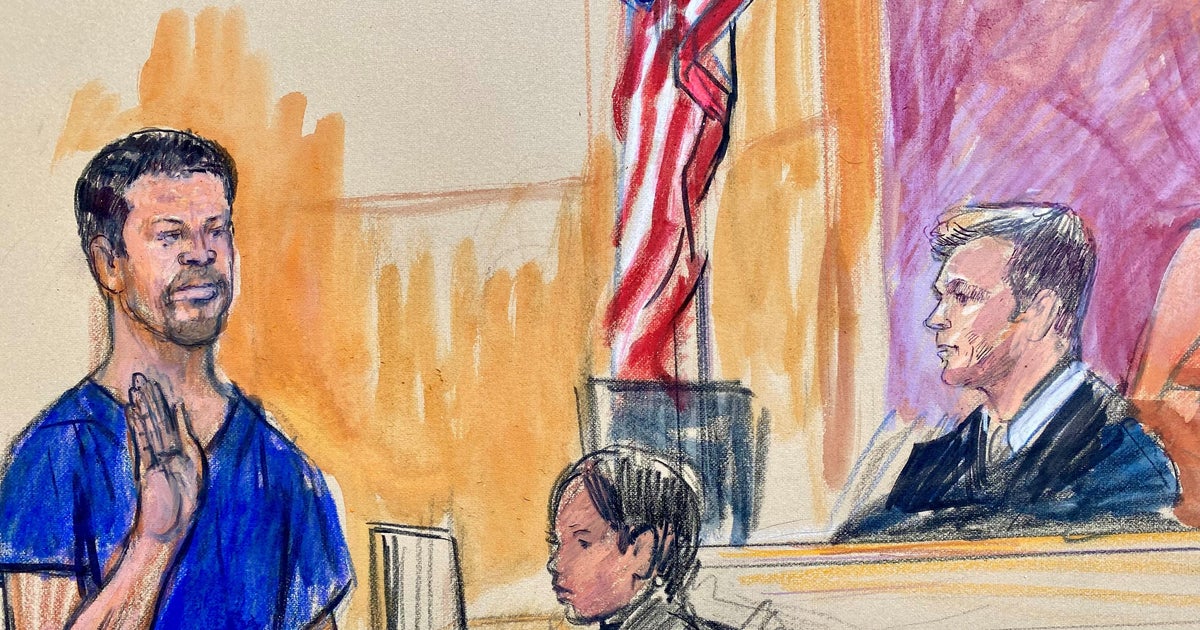
In an unusual courtroom confrontation, a federal magistrate judge sharply criticized government prosecutors for attempting to push forward with a detention hearing even after the defendant had already agreed to remain in custody. U.S. Magistrate Judge Moxila Upadhyaya didn’t mince words during Thursday’s proceedings involving Cole Allen, the 31-year-old man accused of attempting to shoot his way into the White House Correspondents’ Dinner last Saturday. The tense exchange, which took place during a private bench conference away from the ears of journalists and members of the public present in the courtroom, was later revealed in hearing transcripts obtained by CBS News. Judge Upadhyaya’s frustration was evident as she questioned the prosecutors’ motivations, suggesting they seemed more interested in presenting their case to “some audience other than the Court” rather than focusing on the actual legal matter at hand—which had essentially been resolved by the defendant’s agreement to detention.
Judge Warns Against Turning Proceedings Into a “Circus”
The judge’s concerns extended beyond just the unnecessary continuation of the hearing. She expressed worry that the proceedings could devolve into a spectacle, stating firmly, “I don’t want this to turn into a circus.” This statement reflects a broader concern among members of the judiciary about high-profile cases becoming media events rather than sober legal proceedings. Judge Upadhyaya also cautioned against getting into “a whole big fight over discovery right now,” referring to the process by which prosecutors must share evidence with defense attorneys. Prosecutor Jocelyn Ballantine explained that the government was only five days into its investigation and would continue providing information to the defense team. However, the judge cut through these explanations with a simple directive: “Just give them what you have got that you can hand over before the preliminary hearing. Okay. That’s it.” The next hearing in the case has been scheduled for May 11, giving both sides time to prepare and exchange necessary materials without the drama that seemed to be building in Thursday’s session.
National Security Concerns and Sensitive Documents
Adding another layer of complexity to an already serious case, Judge Upadhyaya raised the possibility that the evidence might include “significant issues and possibly some national security documents.” This revelation suggests that the case against Allen may involve classified or sensitive information related to presidential security protocols, Secret Service procedures, or other matters that touch upon national security. The judge was careful to keep these discussions private, telling both the prosecution and defense that “neither one of you may want to have that discussion on the record in open court.” This concern about maintaining the confidentiality of sensitive materials while ensuring the defendant receives a fair trial represents one of the delicate balancing acts that federal courts must perform in cases involving national security elements. Despite these complications, Judge Upadhyaya ordered the Justice Department to “produce what it can” to Allen’s defense lawyers ahead of next month’s hearing, ensuring that the case moves forward on a reasonable timeline while respecting both security concerns and the defendant’s right to see the evidence against him.
The Serious Charges and Alleged Attack
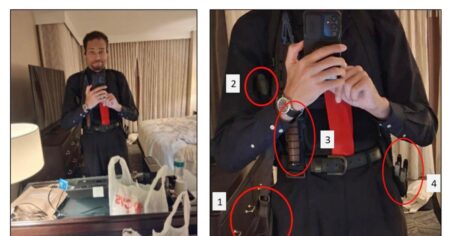
Cole Allen faces extremely serious federal charges, including attempting to assassinate the president along with two gun-related charges. He has not yet entered a plea to any of these charges, which carry potentially severe penalties if he’s convicted. According to federal authorities, Allen was armed with two guns and multiple knives when he allegedly sprinted through a security checkpoint at the White House Correspondents’ Dinner last Saturday evening. Prosecutors claim he fired shots at a security officer before being subdued and arrested by federal law enforcement personnel. The incident occurred while President Trump was present just one floor below the altercation, along with several high-ranking administration officials and approximately 2,600 guests who had gathered for the annual event that traditionally brings together journalists, politicians, and celebrities. The alleged attack represents one of the most serious security breaches at a presidential event in recent memory and has raised questions about security protocols at such high-profile gatherings.
Defense Concedes to Detention Despite Initial Plans
The courtroom drama on Thursday arose from an unexpected turn in the defense’s strategy. While Allen’s attorneys had initially filed papers arguing that their client should be released from custody pending trial, his lawyer Tezira Abe surprised the court at the start of the hearing by announcing that Allen would concede to detention. This meant that Allen agreed to remain in jail while awaiting trial, effectively giving prosecutors what they had been asking for. However, despite this concession, prosecutor Charles Jones urged Judge Upadhyaya to proceed with the full detention hearing anyway, saying the government wanted to present additional information to the court. This is when the judge’s patience ran out. She pointedly asked Jones, “The defendant is agreeing to be detained. He’s essentially conceding your motion. What audience is your supplemental information for?” The judge characterized moving forward with the hearing as “inefficient” and predicted that if Allen later challenges his detention, prosecutors would simply have to make the same presentation all over again before whichever judge hears that motion.
Prosecutors Release New Evidence and Video Following Hearing
In what appeared to be a response to the judge’s criticism about wanting to present their case to a broader audience, U.S. Attorney Jeanine Pirro—whose Washington, D.C. office is handling the prosecution—released new video evidence just hours after the contentious hearing concluded. Pirro stated that the footage showed the suspected attacker running through the security checkpoint outside the correspondents’ dinner venue. In addition to the video, prosecutors also submitted to the court various images and evidence, including photographs of the area outside the ballroom where the incident occurred, the firearms and ammunition that law enforcement officers recovered at the scene, and items that were allegedly found inside a hotel room at the Washington Hilton that authorities claim Allen had rented. The timing of this evidence release—coming so soon after the judge had questioned the government’s motivations—raises interesting questions about whether prosecutors were indeed playing to a public audience as Judge Upadhyaya had suggested. The case continues to attract significant media attention, both because of its serious nature and because of the unusual dynamics that emerged during Thursday’s hearing, setting the stage for what promises to be a closely watched legal proceeding when the case returns to court on May 11.