
Global Response to U.S.-Israeli Strikes on Iran: A World on Edge
International Community Voices Deep Concern Over Escalating Middle East Conflict
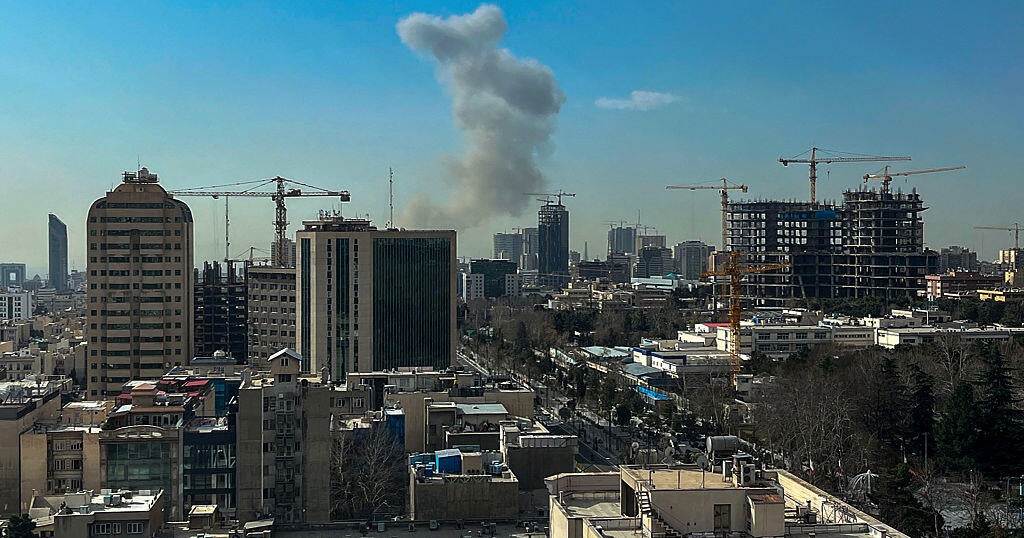
The international community has responded with urgent alarm following joint military strikes launched by the United States and Israel against Iran on Saturday. The attacks have sent shockwaves through diplomatic channels worldwide, with America’s closest allies describing the rapidly developing situation as both “grave” and “perilous.” From European capitals to Middle Eastern nations, governments are scrambling to assess the implications of this dramatic escalation while calling for restraint and a return to diplomatic solutions. The responses reveal a complex web of relationships, concerns about regional stability, and fears that the conflict could spiral into something far more devastating with global consequences.
Europe Calls for Restraint While Standing Firm on Nuclear Concerns
European leaders have expressed deep unease about the developments, balancing their longstanding concerns about Iran’s nuclear ambitions with fears of uncontrollable escalation. Ursula von der Leyen, President of the European Commission, described the situation as “greatly concerning” and emphasized that preventing Iran from developing nuclear capabilities remains critically important to the European Union. She reminded the international community that the EU has imposed sanctions on Iran’s regime and its Revolutionary Guards, underscoring Europe’s commitment to maintaining the global non-proliferation framework.
However, von der Leyen also stressed that the EU has consistently favored diplomatic approaches to addressing Iran’s nuclear and ballistic missile programs through negotiated settlements rather than military action. Her statement reflected the delicate position European powers find themselves in—supporting their American allies while desperately trying to prevent a wider regional war. She issued a clear appeal to all parties involved: “We call on all parties to exercise maximum restraint, to protect civilians, and to fully respect international law.” This careful wording demonstrates Europe’s attempt to maintain relationships with all sides while advocating for peace.
Kaja Kallas, serving as the EU’s high representative for foreign affairs and security policy, has been working the phones intensively, speaking with Israel’s foreign minister and other regional officials. She revealed that the European Union is coordinating closely with Arab partners to explore every possible diplomatic avenue to de-escalate the crisis. Kallas emphasized that protecting civilians and upholding international humanitarian law remains a top priority for the EU. Meanwhile, European naval forces in the Red Sea have been placed on high alert, ready to ensure that critical maritime corridors remain open for international shipping—a vital concern given the region’s importance to global trade and energy supplies.
Russia and Middle Eastern Nations Warn of Catastrophic Consequences
Russia’s response to the strikes was particularly harsh, with Moscow’s foreign ministry condemning what it called a “perilous course” undertaken by Washington and Tel Aviv. The Russian statement painted an apocalyptic picture of potential consequences, warning that the attacks are “swiftly pushing the region toward a humanitarian, economic, and potentially even radiological disaster.” This reference to radiological disaster appeared to suggest fears about damage to nuclear facilities or the potential use of unconventional weapons in any escalating conflict.
The Russian foreign ministry expressed particular concern about what it characterized as “sustained and systematic” destabilizing attacks by the U.S. administration against the fundamental principles of international law. Moscow called for an immediate return to political and diplomatic channels to resolve the crisis. While Russia’s criticism of American actions is hardly surprising given the current state of U.S.-Russian relations, the statement reflects genuine concerns shared by many nations about where this conflict might lead.
Among Middle Eastern nations directly affected by the strikes, Kuwait and Qatar—both hosts to major American military installations that were reportedly targeted by Iranian counterattacks—issued carefully worded statements. Kuwait condemned what it called the “heinous Iranian attack” while asserting its right to self-defense under international law. The statement emphasized Kuwait’s determination to protect its territory, people, and residents while preserving its sovereignty, security, and stability. Qatar, home to the largest U.S. military base in the Middle East, similarly condemned the Iranian strikes as “a flagrant violation of its national sovereignty” and “an unacceptable escalation that threatens the security and stability of the region.”
Western Allies Support Action While Urging Caution
Among Western allies, responses varied in tone and substance, though all expressed concern about further escalation. The United Kingdom, under Prime Minister Keir Starmer, notably did not participate in the strikes against Iran. A U.K. government spokesperson made clear that while Britain believes “Iran must never be allowed to develop a nuclear weapon” and has supported efforts to reach negotiated solutions, the country was taking a measured approach. Starmer scheduled an emergency meeting with ministers to assess the situation, and Britain indicated readiness to protect its interests in the region while making clear it does not want to see the conflict expand into a wider regional war.
French President Emmanuel Macron took a particularly strong stance, declaring that “the outbreak of war between the United States, Israel, and Iran carries grave consequences for international peace and security.” Macron offered to deploy French resources to protect partners if requested, demonstrating France’s commitment to its regional allies. However, he also issued a stern warning that “the ongoing escalation is dangerous for all” and must stop immediately. Macron called on the Iranian regime to understand that it has no option but to engage in good-faith negotiations to end its nuclear and ballistic missile programs as well as its destabilizing regional activities, describing this as “absolutely essential to the security of all in the Middle East.”
Canada’s Prime Minister Mark Carney offered more unequivocal support for the American action, describing Iran as “the principal source of instability and terror throughout the Middle East” with “one of the world’s worst human rights records.” Carney stated clearly that Canada supports the United States in preventing Iran from obtaining nuclear weapons and stopping its regime from threatening international peace and security. This straightforward backing of American action reflects Canada’s traditionally close alliance with the United States, though even Carney’s statement contained implicit concern about how far the conflict might escalate.
Diplomatic Efforts Undermined as Mediators Express Dismay
Perhaps the most poignant response came from Oman’s foreign minister, Badr Albusaidi, who has been serving as a mediator in ongoing negotiations between the United States and Iran over Tehran’s nuclear program. Albusaidi expressed profound disappointment, stating simply: “I am dismayed.” His frustration was palpable as he noted that “active and serious negotiations have yet again been undermined” by the military strikes. As someone directly involved in trying to find a peaceful resolution, Albusaidi could see firsthand how months of painstaking diplomatic work can be undone in moments by military action.
The Omani foreign minister made a particularly striking statement in urging restraint: “Neither the interests of the United States nor the cause of global peace are well served by this.” He added a prayer for “the innocents who will suffer”—a reminder that beyond the geopolitical maneuvering and military calculations, real people will pay the price for this escalation. Albusaidi issued a direct appeal to the United States: “I urge the United States not to get sucked in further. This is not your war.” This plea reflects concerns among regional mediators that America could find itself drawn into an expanding conflict in the Middle East at a time when many believe U.S. focus should be elsewhere.
Qatar’s foreign ministry echoed similar themes, emphasizing that the country “has been and remains among the first to call for dialogue with the Islamic Republic of Iran” and has advocated for continuing this approach as the best foundation for addressing differences and resolving disputes peacefully. The Qatari statement called for “an immediate halt to any escalatory actions, a return to the table of dialogue, the prioritization of the language of reason and wisdom, and efforts to contain the crisis in a manner that preserves the security of the region, safeguards the interests of its peoples, and prevents slippage toward broader confrontations.” This language reflects the deep anxiety among Gulf states that they could become unwilling battlegrounds in a conflict between major powers.
The Path Forward: Diplomacy or Wider War?
The varied international responses to the U.S.-Israeli strikes on Iran reveal a world deeply divided on how to address Tehran’s nuclear ambitions and regional activities, yet united in fear of where unchecked escalation might lead. Western nations largely support the goal of preventing Iran from obtaining nuclear weapons but differ significantly on whether military strikes serve that objective or undermine it. European powers, while maintaining sanctions and expressing serious concerns about Iran’s nuclear program, clearly prefer negotiated solutions and are working frantically to keep diplomatic channels open even as bombs fall.
Middle Eastern nations find themselves in perhaps the most precarious position. Countries like Kuwait, Qatar, and others host American military facilities that make them potential targets for Iranian retaliation, yet they also must maintain working relationships with Iran as a powerful neighbor. Their carefully worded statements condemning Iranian attacks while calling for dialogue reflect this difficult balancing act. Meanwhile, mediators like Oman watch in frustration as their painstaking diplomatic efforts are swept aside by military action, even as they continue to insist that dialogue remains the only viable path forward.
As the world watches nervously to see whether this crisis can be contained or will explode into a wider regional conflict, the international responses make clear that whatever happens next will have implications far beyond the Middle East. The potential for humanitarian catastrophe, economic disruption to global energy supplies, environmental disaster if nuclear facilities are damaged, and the breakdown of international norms around the use of force are all very real concerns. Whether the parties involved will heed the numerous calls for restraint and return to diplomacy, or whether the logic of military escalation will continue to drive events, remains the critical question facing the international community in the days ahead.