


Baby Food Tampering Crisis: Arrest Made After Rat Poison Found in HiPP Products Across Central Europe
A Parent’s Worst Nightmare Becomes Reality
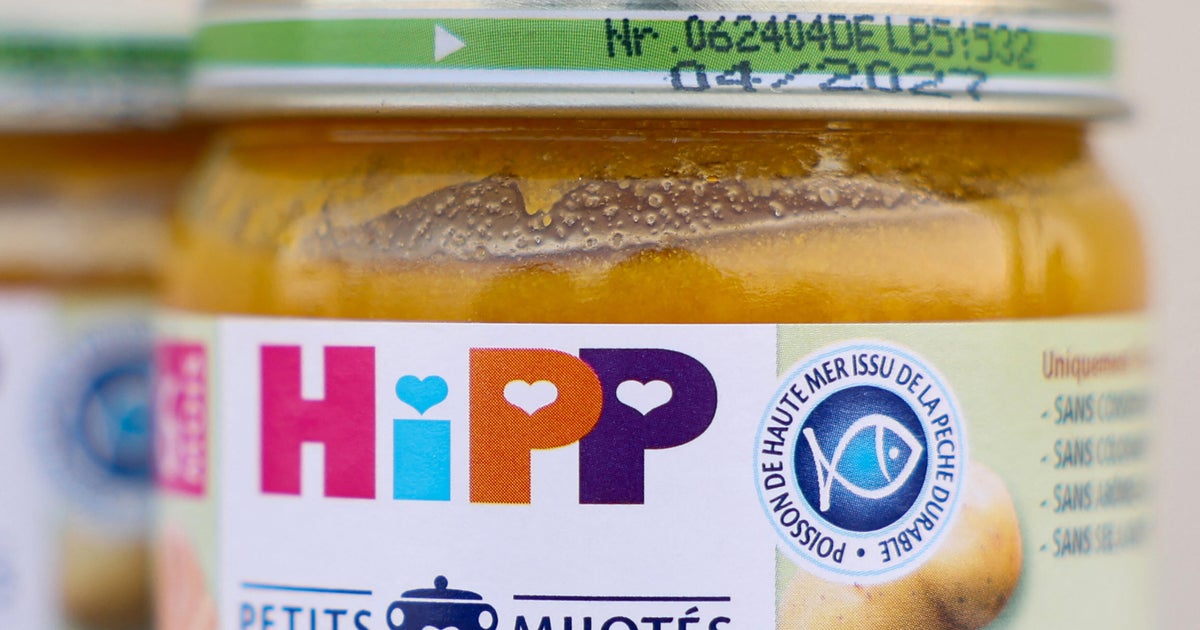
In what can only be described as every parent’s worst fear, authorities in eastern Austria have arrested a 39-year-old suspect in connection with a chilling case of product tampering that sent shockwaves through households across central Europe. The incident involved rat poison being deliberately placed in baby food jars manufactured by HiPP, one of the most trusted names in infant nutrition. The arrest came after weeks of intensive investigation following the discovery of contaminated products on supermarket shelves in Austria, Slovakia, and the Czech Republic. This terrifying case began to unfold on April 18 when a vigilant customer in Eisenstadt, a city in eastern Austria, purchased a baby food jar and noticed something wasn’t right. The jar appeared to have been tampered with, raising immediate red flags. Thankfully, due to this observant parent’s caution, the poisoned food was never consumed, potentially saving a young life. The incident prompted an immediate and massive response from both law enforcement and the company, leading to one of the largest baby food recalls in recent European history.
The Investigation Unfolds and Authorities Take Action
The Burgenland State Criminal Police Office, working closely with prosecutors, launched a comprehensive investigation the moment the contamination was reported. Their swift action led to the identification and arrest of the suspect, though authorities have remained tight-lipped about many details as the investigation continues. The Burgenland public prosecutor’s office has formally announced they are pursuing charges of “intentional endangerment of the public,” a serious offense that reflects the gravity of placing poison in products intended for the most vulnerable members of society – infants. According to reports from the Austrian Press Agency, forensic experts are currently conducting detailed toxicity analyses on the poison found in the jars to determine the exact nature and potential lethality of the substance used. The investigation has revealed that a total of five tampered baby food jars were successfully intercepted and seized by authorities before they could reach consumers’ homes, a small victory in what could have been a far more tragic situation. The suspect is currently being questioned by investigators, who are working to understand the motive behind these actions and to ensure that all contaminated products have been removed from circulation.
HiPP’s Response: Swift Action and Corporate Responsibility
HiPP, the respected German-based baby food manufacturer headquartered in Pfaffenhofen, responded to the crisis with both speed and transparency. In a statement released on Saturday following the arrest, the company expressed being “greatly relieved” that law enforcement had made progress in the case and promised to provide additional updates as verified information became available. The company found itself in the difficult position of being both a victim and needing to protect its customers, as executives revealed that HiPP had been the target of extortion. According to company officials, a blackmailer sent threatening messages to a shared company mailbox, which HiPP immediately reported to police authorities. The company was emphatic in stating that the recall was not due to any manufacturing defect or quality control failure on their part. They stressed that all jars left their production facilities in “perfect condition,” making it clear that the tampering occurred somewhere in the supply chain between the factory and the consumer. This distinction is crucial for a company whose reputation has been built over generations on providing safe, high-quality nutrition for infants.
The Massive Recall: A Precautionary Measure Across Borders
The scope of HiPP’s response was unprecedented and demonstrated the company’s commitment to consumer safety above all else. Initially, authorities believed the tampering specifically targeted 190-gram (6.7-ounce) jars of baby food containing carrots and potatoes, a product designed for infants five months and older, sold through SPAR supermarkets in Austria. However, rather than taking chances with such a critical product category, HiPP made the difficult but responsible decision to recall all of its baby food jars sold at SPAR supermarket chains throughout Austria as a precautionary measure. This meant removing products from SPAR, EUROSPAR, INTERSPAR, and Maximarkt stores across the country. The recall quickly expanded beyond Austrian borders, with vendors in both Slovakia and the Czech Republic voluntarily removing all HiPP baby jars from their shelves, even though the contamination was initially discovered only in Austria. This cross-border response highlights how interconnected European supply chains are and how a threat in one country can quickly become a regional concern. The financial impact of such a massive recall is undoubtedly significant, but HiPP’s willingness to absorb these costs demonstrates that some things – like the safety of babies – truly are priceless.
The Broader Implications: Trust and Security in the Food Supply Chain
This incident raises uncomfortable but necessary questions about the security of our food supply chains, particularly for products intended for the most vulnerable consumers. Product tampering is not a new phenomenon, but when it involves baby food, the emotional and societal impact is magnified exponentially. Parents trust that the products they purchase for their children have been manufactured with care and transported safely from factory to store shelf. This case has shattered that sense of security for many families across central Europe. The fact that this appears to be an extortion attempt rather than random malicious behavior doesn’t make it any less terrifying for parents who rely on commercial baby food products. It does, however, highlight the vulnerability of retail products to interference by individuals with criminal intent. Supermarkets and manufacturers will likely need to reevaluate their security measures, potentially implementing additional tamper-evident packaging or increased surveillance in the baby food sections of stores. The incident also serves as a powerful reminder for all consumers to carefully inspect products before purchase and use, looking for any signs of tampering such as broken seals, unusual packaging, or anything that seems out of place.
Moving Forward: Lessons Learned and Strengthened Vigilance
As this case moves through the criminal justice system, with the suspect now in custody and facing serious charges, the affected communities and companies are left to process what happened and determine how to prevent similar incidents in the future. For HiPP, this crisis has been a test of their crisis management capabilities and their commitment to consumer safety, both of which appear to have been handled responsibly despite the company being a victim of criminal extortion. The swift arrest of a suspect provides some measure of relief and closure, though many details remain unclear as the investigation continues and experts complete their analysis of the poisoned products. For parents across Austria, Slovakia, and the Czech Republic, this incident serves as a traumatic reminder of how vigilance in examining products can literally save lives. The customer who first noticed something was wrong with the jar and reported it rather than simply returning it or discarding it potentially prevented a tragedy. As societies, we must balance the reality that we cannot protect against every possible threat with the understanding that reasonable security measures and public awareness can significantly reduce risks. This case will likely influence food safety regulations and retail practices across Europe, potentially leading to enhanced security measures for baby food and other products consumed by vulnerable populations. While we can be grateful that no children were harmed in this incident, the very fact that it occurred reminds us that eternal vigilance is the price of safety in our interconnected modern world.