
Mexican Governor Steps Down Amid Drug Trafficking Allegations: A Political Earthquake in Sinaloa
The Shocking Accusations That Rocked Mexican Politics
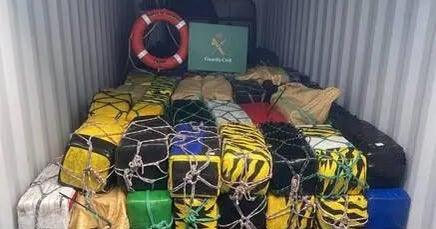
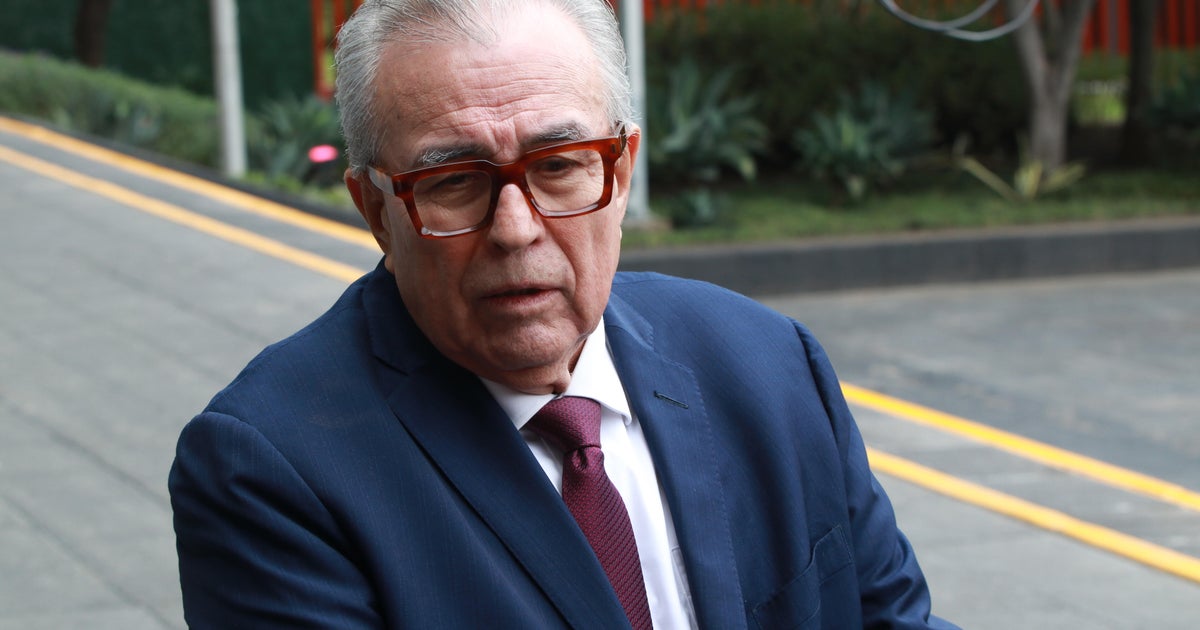
In a development that has sent shockwaves through both Mexican and American political circles, Sinaloa Governor Ruben Rocha Moya announced his temporary resignation on Friday following explosive charges from the United States Justice Department. The accusations are nothing short of staggering: Rocha Moya and nine other officials allegedly collaborated with the infamous Sinaloa cartel to move enormous quantities of illegal drugs into the United States. This isn’t just another corruption scandal in a region long plagued by cartel violence—it represents an unprecedented moment in US-Mexico relations, marking the first time American authorities have publicly accused a sitting Mexican governor of narcotrafficking while still in office. The governor, who has been a prominent figure in President Claudia Sheinbaum’s left-leaning Morena party since taking office in 2021, vehemently denies the charges, calling them “false and malicious.” Yet the weight of these allegations and the diplomatic storm they’ve created left him with little choice but to step aside, at least temporarily, to allow investigations to proceed without the complications his official position would create.
Understanding the Charges and Their Implications
The legal trouble facing Rocha Moya is extraordinarily serious and carries consequences that could essentially end his life as a free man. Federal prosecutors have charged him with multiple counts, including narcotics importation conspiracy, possession of machine guns and destructive devices, and additional conspiracy charges. If convicted on these charges, the governor faces either life imprisonment or a mandatory minimum sentence of 40 years behind bars—a sentence that would effectively be a life term for the politician. The indictment doesn’t stop with the governor; at least three other officials named in the charging documents are also affiliated with the Morena party, raising uncomfortable questions about the extent of cartel infiltration into Mexico’s current governing coalition. Among those charged is Juan de Dios Gamez, the mayor of Culiacán, Sinaloa’s capital city and a strategic hub in the cartel’s operations. Gamez also announced his resignation following the charges, a move that strips both men of the immunity from prosecution that their government positions had provided. The timing and coordination of these resignations suggest both officials understand the gravity of the situation and perhaps recognize that their legal battles will be fought more effectively without the additional scrutiny that comes with holding public office.
The Complicated History Behind the Headlines
This isn’t the first time Governor Rocha Moya’s name has been entangled with the Sinaloa cartel. In 2023, he found himself at the center of controversy when his name appeared in a letter written by a high-ranking cartel member—a capo who was subsequently handed over to U.S. law enforcement by leaders of a rival faction within the same criminal organization. The contents of that letter were deeply troubling: the cartel leader claimed that on the day he was kidnapped by rivals, he believed he was actually on his way to a meeting with Governor Rocha Moya himself. This revelation painted a picture of a governor who, at minimum, was expected by cartel leadership to be accessible and willing to meet. Whether such a meeting was actually scheduled or whether the cartel member was simply lured with the promise of such a meeting remains unclear, but the mere fact that the governor’s name could be used as bait speaks volumes about his rumored connections to organized crime. Rocha Moya has maintained close ties to former leftist president Andres Manuel Lopez Obrador, whose administration was often criticized for what critics called a “hugs, not bullets” approach to cartel violence—a strategy that prioritized social programs over direct military confrontation with drug trafficking organizations. This political connection has only added fuel to the fire of speculation about how deeply cartel influence may have penetrated the highest levels of Mexican government.
Mexico’s Response and the Diplomatic Tightrope
President Claudia Sheinbaum finds herself walking a difficult diplomatic tightrope as she responds to these American charges against members of her own political party. On Thursday, she made it clear that Mexico would only extradite officials to the United States if provided with “irrefutable evidence” of their cartel connections—a statement that signals both sovereignty concerns and a reluctance to simply hand over political allies based solely on American accusations. Sheinbaum acknowledged the historic nature of the charges, noting that this represents the first time the United States has publicly filed narcotrafficking charges against a sitting Mexican governor or other high-ranking official still in office. This puts her administration in an extraordinarily uncomfortable position: appearing too cooperative with American demands could make her look weak and subservient to foreign powers, while appearing to protect accused narcotraffickers could validate criticism that her party is soft on cartels or, worse, compromised by them. The situation has been further complicated by the already strained relationship between Mexico and the Trump administration, which recently designated six Mexican drug trafficking organizations, including the Sinaloa cartel, as foreign terrorist organizations. This designation dramatically escalates the legal framework under which the United States views these groups and opens the door to more aggressive intervention options that Mexico has traditionally resisted.
The Broader Context of Cartel Power and State Weakness
The charges against Governor Rocha Moya must be understood within the broader context of how drug cartels have systematically infiltrated and corrupted government institutions throughout Mexico, particularly in states like Sinaloa where trafficking organizations essentially function as parallel governments. The Sinaloa cartel, once led by the now-imprisoned Joaquin “El Chapo” Guzman, remains one of the most powerful criminal organizations in the Western Hemisphere, with operations spanning multiple continents and generating billions of dollars in revenue annually. This kind of financial power inevitably seeks political protection, and Mexican officials at every level of government have proven vulnerable to the cartel’s combination of bribes and threats—what’s commonly known as “plata o plomo” (silver or lead). The accusations against Rocha Moya suggest a working relationship with the cartel that went far beyond merely looking the other way; prosecutors allege he actively facilitated the movement of “massive quantities” of narcotics into the United States. The recent death of two U.S. agents—reportedly CIA personnel—during a drug bust operation has only intensified American frustration with Mexico’s inability or unwillingness to effectively combat these organizations. President Trump’s administration has been pushing hard for Mexico to accept more direct American intervention, including the possibility of drone strikes or the deployment of U.S. military personnel on Mexican soil to fight cartels, proposals that Mexico has firmly rejected as violations of its sovereignty.
What Happens Next and the Future of US-Mexico Counter-Narcotics Cooperation
The resignation of Governor Rocha Moya and Mayor Gamez removes the legal immunity that protected them from investigation and prosecution, opening the door for Mexican authorities to pursue their own investigations while the U.S. presses its case for extradition. However, the path forward remains murky and fraught with political complications. President Sheinbaum’s demand for “irrefutable evidence” before considering extradition sets a high bar that may or may not be met by American prosecutors, and even if it is, the Mexican government may find ways to delay or complicate the process. The broader implications for U.S.-Mexico relations are significant and concerning. At a time when cooperation on immigration, trade, and security issues is crucial for both nations, these accusations threaten to undermine trust and partnership. The Trump administration’s designation of Mexican cartels as terrorist organizations and its push for more aggressive intervention options represent a fundamental challenge to how counter-narcotics efforts have traditionally been structured, with Mexico maintaining primary responsibility for operations within its borders. If these charges lead to convictions and reveal systemic cartel infiltration of the Morena party, it could reshape Mexican politics and force a reckoning with how deeply organized crime has penetrated democratic institutions. For the people of Sinaloa, who have lived for decades under the shadow of cartel violence and corruption, these developments offer both hope for accountability and fear of the instability that often accompanies major shifts in the balance of power between criminal organizations and the state. The coming months will reveal whether this represents a genuine turning point in the fight against cartel influence or merely another chapter in the long, complicated story of drugs, corruption, and power in Mexico.