


A Nation Under Siege: When Extreme Weather Became America’s New Normal
Coast-to-Coast Chaos Disrupts Daily Life
In an extraordinary display of nature’s fury, the United States found itself gripped by a perfect storm of extreme weather events that simultaneously affected more than half of the country’s population on a single Monday. From the scorching heat waves baking California and the Southwest to devastating blizzards burying communities across the Midwest, and powerful storms hammering the East Coast, Americans from nearly every corner of the nation faced dangerous and disruptive conditions. The widespread chaos wasn’t just an inconvenience—it fundamentally disrupted the daily lives of hundreds of millions of people. The nation’s transportation infrastructure buckled under the strain, with over 4,700 flights canceled across the country on Monday alone, creating a ripple effect of delays and stranded passengers at major airports. By Tuesday morning, the situation hadn’t improved much, with another 2,100 flights canceled or delayed by 6 a.m. according to FlightAware. Making matters worse for travelers, ongoing staffing shortages caused by a partial government shutdown meant longer lines at security checkpoints, adding frustration to an already difficult situation. Schools throughout the mid-Atlantic region dismissed students early as administrators braced for the forecasted high winds, while government agencies in Washington sent workers home in anticipation of severe conditions that, ironically, never fully materialized by late afternoon.
The Human Toll and Infrastructure Breakdown
The impact of this unprecedented weather system extended far beyond travel inconveniences, touching the most basic necessities of modern life and claiming lives in its path. More than half a million homes and businesses found themselves without electricity early Tuesday morning, with Michigan, Pennsylvania, New York, and Massachusetts bearing the brunt of the power outages according to Poweroutage.com. Families huddled in cold, dark homes, businesses lost revenue, and essential services struggled to operate. The human cost proved even more devastating in New York City, where four people, including a child, tragically lost their lives Monday afternoon when a fire tore through a three-story apartment building. The heavy winds that had been forecast for the area helped the flames spread rapidly, turning what might have been a contained incident into a fatal tragedy. This heartbreaking loss served as a stark reminder that extreme weather doesn’t just cause property damage—it creates conditions that can turn everyday emergencies into catastrophes. Meanwhile, tornadoes touched down across Missouri on Sunday, with the National Weather Service confirming four separate twisters that caused significant roof and tree damage. Fortunately, no injuries were reported from these tornadoes, but the close calls highlighted how quickly conditions could turn deadly.
Winter’s Brutal Last Stand in the Heartland
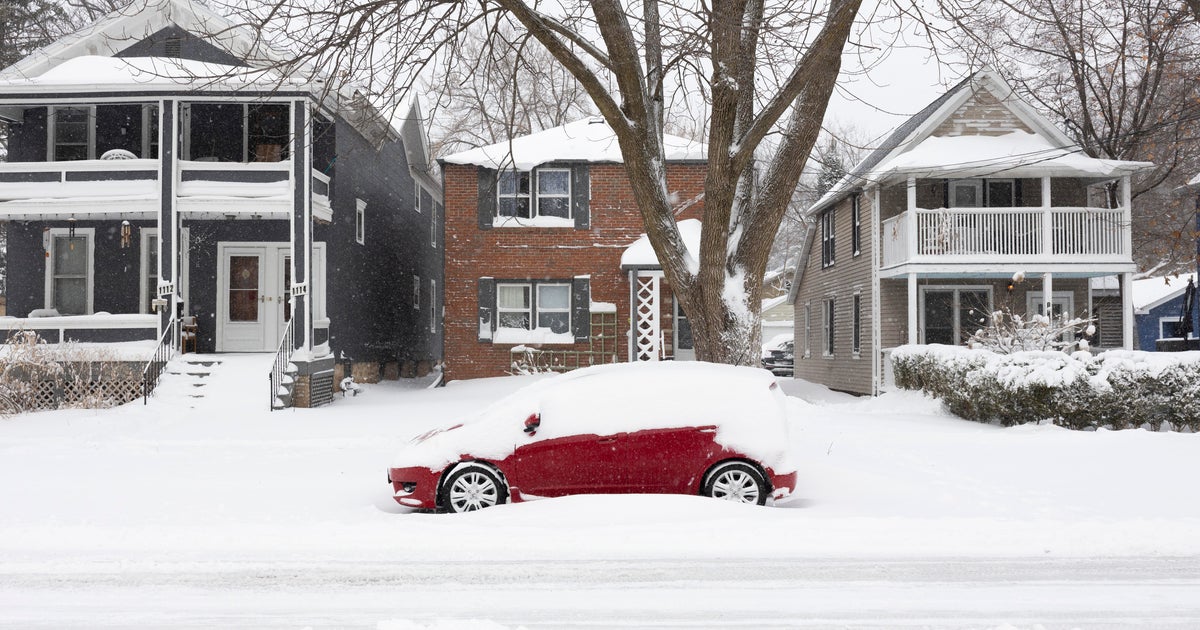
The Midwest and Great Lakes region found themselves in the grip of what seemed like winter’s last, most ferocious gasp. Blizzard conditions that began over the weekend continued pummeling Wisconsin and Michigan with relentless snowfall that measured in feet rather than inches. The northern Wisconsin town of Mountain became nearly impregnated under almost three feet of snow that had accumulated since Saturday, creating whiteout conditions that made travel not just difficult but genuinely dangerous. Madison, Wisconsin declared a snow emergency as the city struggled to keep roads clear, and the National Weather Service issued Winter Weather Advisories across the region. The timing seemed almost cruel—this was technically still winter, but one that should have been winding down, not ramping up to deliver its most powerful punch. The storm system responsible for this winter onslaught didn’t stay in one place; it barreled eastward toward the coast, transforming as it traveled. What had been a snow-producing machine became a rain and wind generator, dropping heavy precipitation along the Eastern Seaboard and prompting multiple tornado warnings from New Jersey down to Virginia. New York City officials specifically warned residents about the potential for sudden, powerful wind gusts capable of snapping tree limbs and sending debris flying through urban canyons.
Summer Arrives Impossibly Early in the West
While much of the nation battled winter’s fury and spring’s storms, the western United States found itself dealing with an entirely different but equally concerning extreme: heat that felt more like July than March. A massive heat dome settled over the Southwest, pushing temperatures into triple digits across Arizona for most of the week—a phenomenon occurring far earlier than any normal weather pattern would allow. Phoenix faced the prospect of five consecutive days with temperatures exceeding 100 degrees, a remarkable and troubling statistic considering the city had only once before recorded a single 100-degree day in March, back in 1988. AccuWeather meteorologist Dan DePodwin didn’t mince words about the significance: “This is a heat wave that we have not seen before in recorded history in the Southwest.” California, too, felt summer’s premature arrival. The San Francisco Bay Area and Sacramento prepared for temperatures approaching 90 degrees by midweek, while Los Angeles braced for readings near 100 degrees. L.A. Mayor Karen Bass addressed the unusual conditions directly, noting, “This is technically still winter. This is not normal for March, obviously, but it is a sign of how climate change is impacting our city.” Her frank acknowledgment of climate change’s role resonated with many who had been watching weather patterns become increasingly erratic and extreme in recent years.
Fire, Flood, and the Full Spectrum of Disaster
The extreme conditions created perfect conditions for disasters at both ends of the moisture spectrum. In Nebraska, dry and windy conditions fueled what became the largest wildfire in the state’s recorded history. Three separate fires consumed more than 1,140 square miles of mostly grassland, threatening rural communities and agricultural land. Governor Jim Pillen surveyed the devastation and summarized the situation with characteristic plainspoken honesty: “Mother Nature is throwing a doozy at us.” The fires served as a sobering reminder that while much attention focuses on California’s wildfire season, the Great Plains face their own significant fire risks, especially when unusual weather patterns create tinder-dry conditions. Meanwhile, thousands of miles away in Hawaii, the problem was exactly the opposite—too much water rather than too little. Unrelenting rains triggered dangerous landslides, washed away roads, and flooded homes and farmland across the islands over the weekend. Every Hawaiian island recorded spots with more than 15 inches of rain, while some parts of Maui received double that amount, according to the National Weather Service. The deluge overwhelmed drainage systems and turned streams into raging torrents. Maui Mayor Richard Bissen provided some relief with the news that no injuries or deaths had been reported, but crews were still assessing the full extent of the damage as residents faced the prospect of more heavy rain later in the week.
The Bigger Picture and What Comes Next
This convergence of extreme weather events affecting so many Americans simultaneously wasn’t just a coincidental bad day—it represented a troubling trend that scientists and meteorologists have been warning about for years. AccuWeather calculated that more than 200 million people found themselves under some form of dangerous weather threat on that Monday alone, with advisories ranging from extreme heat and wildfire warnings to flood and freeze watches issued by the National Weather Service. The sheer scope of simultaneous extreme conditions affecting such a large swath of the country was unprecedented in recent memory. As the storm systems moved through and conditions began to shift, forecasters warned that the East Coast storms would leave sharply colder weather in their wake, with wind chills below freezing expected to reach as far south as the Gulf Coast and Florida Panhandle. Warnings blanketed the Southeast and stretched across parts of Arkansas, Oklahoma, Louisiana, and Texas. In the central Appalachians of West Virginia, rain was expected to change over to heavy snow as the cold front passed through, creating yet another round of hazardous conditions for communities that had just dealt with severe storms. This chaotic week of weather served as a powerful reminder of nature’s capacity to disrupt our carefully ordered lives and raised urgent questions about how communities, infrastructure, and emergency services need to adapt to an era where extreme weather events are becoming not just more common, but more severe and more likely to occur simultaneously across vast regions.