



Standing Together: Cory Booker’s Call for Virtue in American Politics
A Nation at a Crossroads
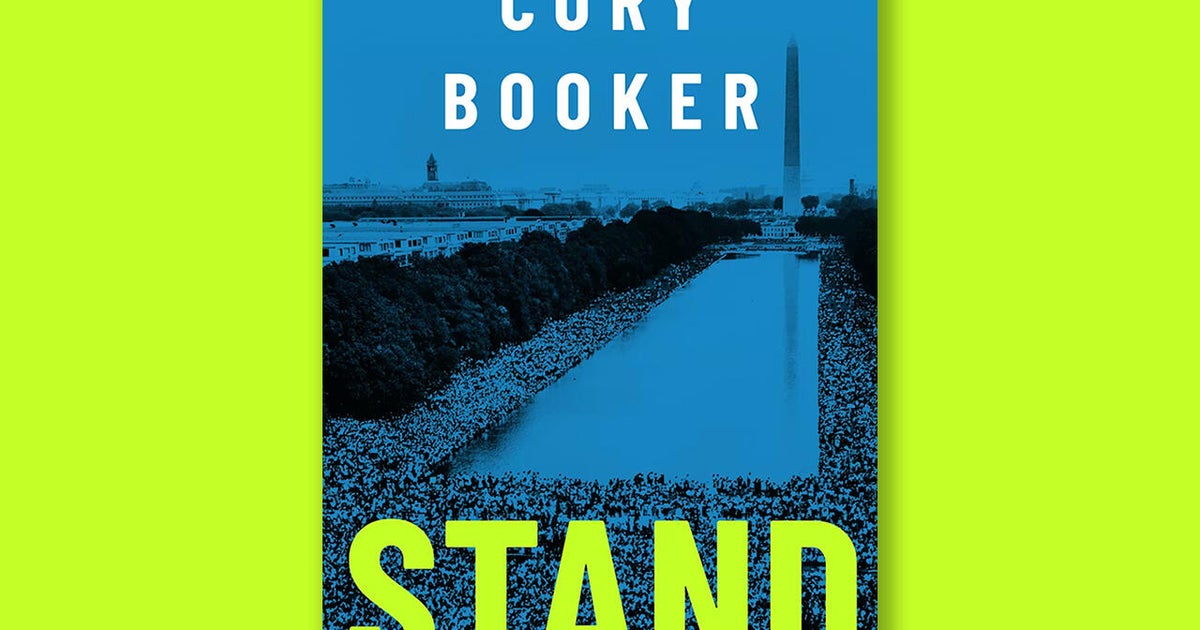
Senator Cory Booker of New Jersey believes America needs something that might sound old-fashioned in our modern, fractured political landscape: virtue. In his book “Stand,” published by St. Martin’s Press, Booker makes a compelling case that in these times of division and discord, when Americans seem more interested in tearing each other down than building each other up, returning to fundamental virtues isn’t just some lofty philosophical exercise—it’s actually our best strategy for survival. He acknowledges upfront that talking about virtue might seem disconnected from the real crises we’re facing. After all, we’re living in an era where families are split over politics, where tribalism dominates our interactions, and where people don’t just disagree with their opponents—they actively despise them. Politics has become less about policy and more about identifying enemies. Yet Booker insists this is precisely why we need to talk about virtue now more than ever.
Virtue as Strategy, Not Sentiment
What makes Booker’s argument particularly interesting is that he doesn’t present virtue as some soft, feel-good concept that we should embrace simply because it’s morally right. Instead, he frames it as a practical strategy—a way to win elections, pass legislation, and accomplish real political goals. The ten virtues he explores in his book—agency, vulnerability, patriotism, truth, humility, community, creativity, perseverance, grace, and vision—aren’t abstract ideals to him. They’re concrete practices that he’s personally struggled with and seen work in the lives of others. Through stories ranging from George Washington to contemporary figures like Conan O’Brien, from suffragist Alice Paul to disability rights activist Jennifer Keelan-Chaffins, and from Abraham Lincoln to John Lewis, Booker demonstrates how these virtues have been the keys to success, survival, redemption, and renewal throughout American history. He argues that virtue expands our power, deepens our sense of belonging, and equips us to endure challenges and ultimately prevail. Most importantly, virtue awakens our sense of common cause and rekindles the belief that our destinies are bound together—which in turn makes the practical work of governing effectively much more possible.
The Fundamental Question: Nation or Government?
Booker draws on a powerful historical example to illustrate his point. During the early days of the Civil War, when the very survival of the United States hung in the balance, Union army chaplain Reverend Samuel F. Colt asked a piercing question: “Are we a Nation? Or, Have we a Government?” This wasn’t just a semantic distinction—it was a fundamental question about American identity. What binds us together beyond laws, policies, and government services? The Founding Fathers, for all their imperfections, understood this distinction when they created not just a government structure but tried to establish a nation rooted in shared values. They studied Enlightenment philosophy, debated human nature, and recognized that government alone couldn’t unite the American people—only shared values rooted in humanity’s better angels could accomplish that. These ideals inspired the Constitution, and crucially, they built in the understanding that the Constitution would need to be amended and the nation continually improved by future generations who could address past shortcomings through collective struggle and democratic processes.
The Ongoing Work of Virtue
One of Booker’s key insights is that virtues aren’t self-fulfilling or inevitable—they require constant, deliberate work. Throughout every era of American history, people have made the difficult choice to turn toward virtue to meet their greatest challenges and to create a more perfect union. Now, Booker argues, it’s our turn to make that choice. We are more than just a government; we are a nation of people bound by shared fundamental virtues. These aren’t outdated relics from a simpler time but rather disciplines of survival and instruments of triumph that remain just as relevant today. Booker acknowledges that many Americans are feeling scared, angry, hurt, and hopeless right now. In such times, there’s a natural temptation to sacrifice virtue for convenience, to trade our highest ideals for the false promise of quick fixes and expedient solutions. But he warns that we can’t afford to abandon our virtues now with the hope of picking them up again later—if we sacrifice the virtues that bind us together, there may be no later for our nation at all.
Lessons from the Civil Rights Generation
Booker’s perspective is deeply shaped by his upbringing as a child of the civil rights generation. From his parents, grandparents, and their friends, he heard countless stories of heroism—ordinary Americans from all backgrounds who became foot soldiers in a transformative movement. These were people who defied impossible odds through courage, sacrifice, and struggle. In their trying times, when communities were drenched in hurt and hope was scarce, they demonstrated tremendous virtue. For them, virtue wasn’t an easy or natural choice—it was difficult but ultimately rewarding. It became an invaluable weapon of resilience, a shield against oppression, and a compass that guided them forward through the darkness. Booker recalls a refrain his parents quoted so often during his childhood that it almost lost its meaning: “If you don’t stand for something, you will fall for anything.” Now, as an adult navigating today’s political landscape, this saying has taken on renewed urgency and meaning for him.
Standing for Something in Dark Times
The core message of Booker’s book is that the virtues woven throughout American history aren’t soft sentiments or moral niceties—they’re what keep us upright when things get difficult. They form a constellation by which we can navigate through dark and uncertain times. In the midst of whatever storm we’re facing, our virtues represent a defiant, deeply American insistence on standing: standing for ourselves, for one another, and for the nation we love and share. This is Booker’s answer to our current moment of crisis and division. Rather than abandoning the practices and ideals that have guided America through previous dark chapters, he calls for a recommitment to them. Virtue, in his view, is how we fight, how we win, and how we heal. It’s the strategy through which we as a nation not only survive but prevail. In a time when political discourse focuses obsessively on what we’re against, Booker challenges us to articulate clearly what we’re for—and to have the courage to stand for it.