



Camel Caravan Caught: The Unusual Liquor Smuggling Operation in Delhi
When Desert Ships Became Bootleggers’ Best Friends
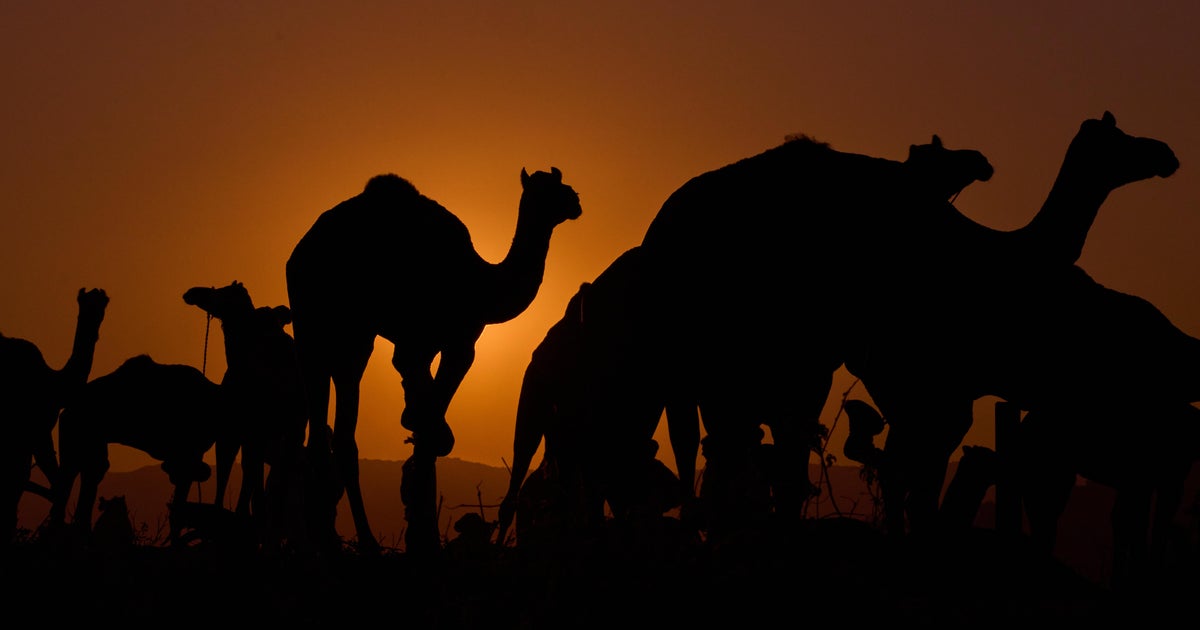
In a story that sounds like it could be straight out of a quirky crime novel, Delhi police have cracked down on an innovative—if somewhat comical—alcohol smuggling operation that enlisted some unlikely accomplices: camels. The authorities arrested a man who had been orchestrating an elaborate scheme to transport illegal liquor into India’s bustling capital city using these desert animals as pack mules. The operation came to light when police intercepted two camels laden with contraband alcohol, recovering an impressive haul of 1,938 containers of illegal liquor. What makes this case particularly interesting is the smugglers’ choice of transportation and their careful planning to avoid detection. Rather than risking the heavily monitored highways connecting Faridabad in Haryana state to Delhi, these enterprising criminals opted for the road less traveled—quite literally. They chose to navigate their cargo through dense forest routes under the cover of darkness, betting that the combination of nighttime operations and unconventional animal transport would help them slip past the watchful eyes of law enforcement.
The Economics Behind the Camel Express
The motivation behind this unusual smuggling operation isn’t just criminal creativity—it’s pure economics. Delhi’s significantly higher taxes on alcohol compared to neighboring Haryana state create a lucrative opportunity for those willing to skirt the law. The price differential between the two regions is substantial enough that smugglers are willing to go to extraordinary lengths, including training camels and trekking through forests at night, to capitalize on the arbitrage opportunity. Delhi police revealed in their social media statement on Tuesday that their officers had successfully “busted an illicit liquor smuggling racket using camels for transportation” following Monday’s arrests. The contraband was promptly seized, and in a compassionate twist to the story, the camels themselves were rescued and handed over to the appropriate animal welfare authorities. These animals, innocent participants in the illegal enterprise, were later brought to the Delhi Society for Prevention of Cruelty to Animals shelter, where they would receive proper care, according to reports from the Hindustan Times newspaper. The case highlights how criminals continuously adapt their methods in response to law enforcement tactics, turning to increasingly creative solutions when traditional smuggling routes become too risky.
A Game of Cat and Mouse Along the Border
The smuggling operation evolved in direct response to increased police vigilance along traditional transportation corridors. When authorities ramped up monitoring along the highways between Faridabad and Delhi, complete with numerous checkpoints designed to catch contraband, the smugglers simply changed their strategy. Instead of attempting to navigate their illegal cargo through these heavily policed roads, they identified an alternative route through forested areas where surveillance was minimal. According to police sources, the operation involved five men who worked together to transport the liquor over approximately a four-mile stretch of forest terrain during nighttime hours. This coordinated effort required careful planning and execution—timing their movements to avoid detection, ensuring the camels could navigate the challenging forest paths, and coordinating handoffs once the contraband reached its destination. The use of camels wasn’t just a random choice; these animals are well-suited for carrying heavy loads over difficult terrain, can operate in various weather conditions, and their presence in rural and semi-rural areas might not immediately raise suspicions the way motorized vehicles would.
The Last Mile Problem: Bicycle Rickshaws and Urban Distribution
Once the camels successfully transported their illicit cargo across the border into Delhi, the smuggling operation shifted gears for the final delivery phase. The Hindustan Times reported that the smugglers had developed an equally creative solution for urban distribution: bicycle rickshaws. After offloading the contraband once inside city boundaries, the smugglers would transfer the liquor to bicycle rickshaws for delivery to their clients throughout the sprawling metropolis. This two-stage transportation system was actually quite ingenious from a criminal logistics perspective. Camels handled the risky border crossing through remote forest areas where their presence wouldn’t seem out of place, while bicycle rickshaws—a common sight throughout Delhi’s crowded streets—provided the perfect camouflage for urban deliveries. The rickshaws could navigate narrow lanes and crowded neighborhoods where larger vehicles would struggle, and they blend seamlessly into the fabric of daily life in the Indian capital. Interestingly, this wasn’t the first rodeo for these particular camels—the Hindustan Times reported that the same animals had been stopped the previous year for alcohol smuggling as well, suggesting this operation had been running successfully for quite some time before authorities finally dismantled it.
India’s Ongoing Battle with Illegal Alcohol
This camel-based smuggling ring represents just one facet of India’s much larger and more serious problem with illegal alcohol. While using camels to avoid highway checkpoints might seem almost whimsical, the broader context of alcohol smuggling and illicit liquor production in India is far more sobering. The country grapples with a persistent and deadly issue involving tainted alcohol that claims hundreds of lives annually. Bootleggers operating backstreet distilleries produce cheap alcohol and sell it in vast quantities at cut-rate prices, particularly targeting impoverished communities. These operations completely bypass government taxation, depriving authorities of revenue while putting consumers at grave risk. The most dangerous aspect of this illegal alcohol trade isn’t just that it’s unregulated—it’s that producers often spike their liquor with methanol to increase its potency and maximize profits. Methanol, a toxic alcohol, can cause severe health consequences including blindness, liver damage, and death. For many poor Indians, the appeal of cheap alcohol outweighs the known risks, creating a tragic cycle where the most vulnerable members of society fall victim to unscrupulous profiteers.
Enforcement Challenges and the Path Forward
The camel smuggling case illustrates both the creativity of criminals and the challenges facing law enforcement in India’s battle against illegal alcohol trade. As authorities strengthen enforcement in one area, smugglers simply adapt, finding new routes and methods to continue their operations. This particular case demonstrates how smugglers will go to remarkable lengths—training animals, forging new paths through forests, developing multi-stage distribution networks—when the profit margins justify the effort. The seizure of nearly 2,000 containers of illegal liquor and the arrest of the alleged smuggler represents a tactical victory for Delhi police, but it’s unlikely to be the end of alcohol smuggling between Haryana and Delhi. As long as significant tax differentials exist between neighboring jurisdictions, economic incentives will drive people to find ways to exploit those differences. The case also raises questions about the effectiveness of current enforcement strategies. While increasing highway checkpoints clearly pushed smugglers to seek alternative routes, it didn’t stop the smuggling—it just made it more complicated. Moving forward, Indian authorities will need to balance enforcement efforts with addressing the root causes of illegal alcohol trade: the significant price differentials created by taxation policies, the demand for cheap alcohol among economically disadvantaged populations, and the insufficient regulation of alcohol production and distribution. The rescued camels, now safely housed at an animal welfare facility, serve as an unlikely symbol of this ongoing challenge—innocent animals caught up in human schemes driven by profit, taxation, and the perpetual game of cops and robbers that plays out daily across India’s state borders.