
Can the Seahawks Afford to Keep Their Super Bowl Roster?
The Challenge of Success: When Winning Creates Financial Headaches
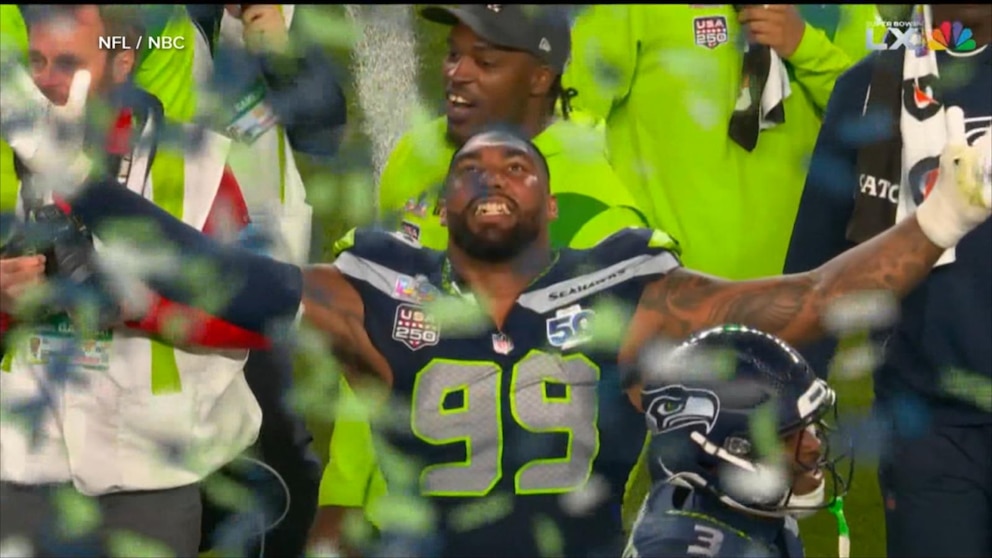
Every NFL team dreams of building a championship-caliber roster, but few organizations truly understand the complicated financial puzzle that comes with sustained success until they’re living it. The Seattle Seahawks found themselves in this enviable yet challenging position after their dominant Super Bowl XLVIII victory and subsequent return to the championship game the following year. What seemed like the beginning of a dynasty quickly became a masterclass in salary cap management and difficult roster decisions. The question that haunted the front office, fans, and sports analysts alike was deceptively simple yet incredibly complex: Could the Seahawks actually afford to keep their Super Bowl-winning roster together?
The core of Seattle’s championship teams was built on a foundation of exceptional talent, much of it acquired through savvy drafting and player development rather than expensive free agency splurges. Russell Wilson, Richard Sherman, Earl Thomas, Kam Chancellor, Bobby Wagner, and other cornerstone players had transformed the Seahawks into one of the league’s most feared teams. However, the very success these players achieved created an inevitable financial reckoning. Players who had been affordable during their rookie contracts suddenly commanded top-of-the-market salaries as proven champions and Pro Bowl performers. The NFL’s hard salary cap doesn’t care about sentiment, team chemistry, or recent championships—every team operates under the same financial ceiling, and keeping an elite roster together requires increasingly creative financial gymnastics as those players progress through their careers.
The Rookie Contract Advantage and Its Inevitable Expiration
The Seahawks’ initial success was built significantly on the NFL’s rookie wage scale, which was implemented in 2011 and fundamentally changed how teams could build rosters. This system meant that even high-impact players drafted in later rounds were locked into relatively modest contracts for their first four years, with teams holding a fifth-year option for first-round picks. Seattle’s legendary 2010 and 2012 draft classes exemplified this advantage perfectly. They had managed to find defensive superstars like Sherman (fifth round), Chancellor (fifth round), Wagner (second round), and later-round gems who contributed far beyond what their paychecks suggested. Meanwhile, Russell Wilson’s third-round selection in 2012 meant they had a franchise quarterback performing at an elite level while earning a fraction of what established quarterbacks commanded on the open market.
This rookie contract window created what many called a “championship window”—a finite period where teams with multiple star players on affordable deals could allocate resources elsewhere to build a complete roster. The Seahawks maximized this opportunity brilliantly, surrounding their young core with strategic veteran additions and complementary pieces. However, everyone in the organization knew this advantage was temporary. As each season passed and the Super Bowl window remained open, the front office faced an approaching deadline when these cost-controlled contracts would expire and be replaced by market-value deals that would fundamentally alter the team’s financial landscape. The question wasn’t whether they could afford to keep everyone—it was always about choosing who to prioritize when the inevitable decisions arrived.
Making the Hard Choices: Who Stays and Who Goes
When the bills came due, the Seahawks’ front office faced gut-wrenching decisions that would have long-term ramifications for the franchise. Russell Wilson’s contract extension became the first major domino to fall, and rightfully so—franchise quarterbacks are the most valuable commodity in the NFL, and Wilson had proven himself among the league’s elite. His deal, while substantial, was considered essential to maintaining competitive viability. The defense, however, presented more complicated calculations. The “Legion of Boom” secondary had been the identity of championship-era Seattle, but keeping all those pieces together at market value simply wasn’t mathematically feasible under the salary cap.
The departures and contract battles that followed were painful for an organization and fanbase that had grown accustomed to having these players as the core identity of the team. Cornerback Byron Maxwell left for Philadelphia as a free agent after the 2014 season. The contract standoff with safety Kam Chancellor in 2015 revealed the tensions between business realities and player expectations. Defensive end Michael Bennett, another key contributor, eventually voiced his frustration with his contract situation. Each departure or contentious negotiation represented not just a business decision but the erosion of the chemistry and culture that had made the team special. The Seahawks tried to thread an impossible needle—maintaining competitive excellence while transitioning from affordable young stars to expensive veterans, all while developing the next generation of talent to replace those they couldn’t afford to keep.
The Ripple Effects Throughout the Roster
The financial commitments to top-tier players inevitably created ripple effects throughout the roster construction. When significant portions of the salary cap are allocated to a handful of star players, teams must find value and production from cheaper sources—typically rookie contracts, minimum-salary veterans, and bargain free agents. This approach can work when the stars remain healthy and performing at peak levels, but it reduces the roster’s depth and margin for error. The Seahawks experienced this reality as their championship window progressed. The offensive line, which had been a weakness even during their Super Bowl runs, became harder to address with premium resources when so much money was committed elsewhere.
Injuries to key players became more devastating because the backup options weren’t as capable as they might have been with more financial flexibility. The team that had once seemed loaded with talent at every position gradually became more top-heavy, exceptional at certain positions but vulnerable at others. This wasn’t due to poor management—it was the natural consequence of paying market rates for elite talent. The NFL’s economic structure is designed to prevent dynasties by ensuring that success leads to higher costs, which forces difficult choices that tend to level the competitive playing field over time. The Seahawks were experiencing the exact cycle the system was designed to create.
Lessons Learned and the Broader NFL Implications
The Seahawks’ experience offers valuable lessons for every NFL franchise chasing championship glory. First, the rookie contract advantage represents perhaps the most significant market inefficiency in modern football—hitting on draft picks, especially outside the first round, provides disproportionate value that can temporarily overcome salary cap constraints. Teams that draft well have a brief window where their roster talent exceeds their financial commitments, creating opportunity for championship runs. Second, that window is genuinely finite, and teams must be realistic about maximizing it while it exists. The Seahawks won one Super Bowl and nearly won a second during their window, which represents remarkable success, yet it still left fans wondering what might have been if a few plays had gone differently.
Third, the decisions about which players to prioritize with long-term, expensive contracts will define a franchise for years to come. The Seahawks chose to build around Russell Wilson, which was defensible but meant accepting the gradual dissolution of the Legion of Boom defense. Other teams might have made different choices, prioritizing defensive continuity over quarterback investment, though history suggests that approach rarely succeeds. The broader NFL landscape is littered with teams that faced similar crossroads—the Baltimore Ravens after their 2012 Super Bowl, the Philadelphia Eagles after their 2017 championship, and countless other examples of teams struggling to maintain their championship roster as costs escalated. Some managed short-term runs of continued competitiveness; others fell apart quickly. The Seahawks managed to remain playoff contenders longer than most, which speaks to the foundation they built, even as the roster evolved away from its championship composition.
The Verdict: Financial Reality Beats Nostalgia Every Time
So could the Seahawks afford to keep their Super Bowl roster together? The honest answer is no—not for any extended period, and not without sacrificing future competitiveness in other ways. The NFL’s economic system simply doesn’t allow it, which is precisely what the league intended when designing the salary cap structure. Teams can keep some core pieces, and the Seahawks did manage to retain several key players for years after their championship runs. But the complete roster, with all its stars earning what they could command on the open market, was financially impossible to maintain. This wasn’t a failure of management or a lack of organizational commitment—it was mathematical reality.
The Seahawks’ championship era demonstrates both the possibilities and limitations of roster construction in the modern NFL. They proved that smart drafting and player development can create a window for sustained excellence. They showed that teams can compete for championships without necessarily having the highest payroll. But they also illustrated that success inevitably increases costs, that stars on rookie contracts eventually become expensive veterans, and that hard choices are unavoidable. For fans, this reality is bittersweet—the same system that made their championship possible also ensured it couldn’t last forever. For the league, it’s working exactly as intended, promoting competitive balance by preventing any single team from hoarding all the talent. The Seahawks couldn’t keep their Super Bowl roster together, but the run they had while it lasted created memories and achievements that no salary cap could diminish.