


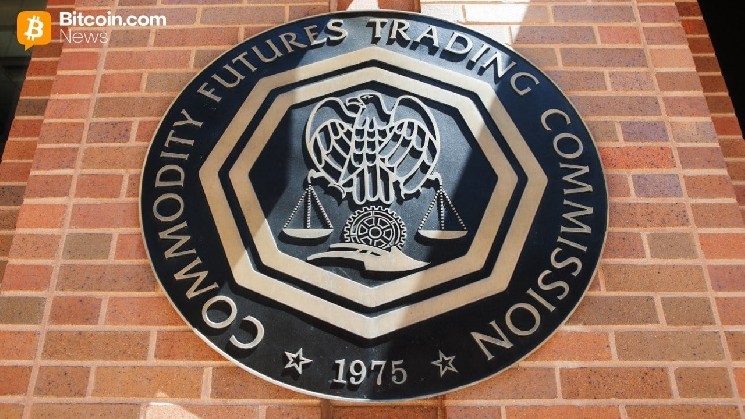

CFTC Takes Bold Steps to Regulate the Future of Finance
A New Era of Financial Technology Oversight
The financial world is changing faster than ever before, and America’s financial regulators are stepping up to make sure they don’t get left behind. On March 24th, the Commodity Futures Trading Commission—better known as the CFTC—announced something that could reshape how cutting-edge financial technologies are managed in the United States. Chairman Michael S. Selig revealed the creation of the Innovation Task Force, a specialized team dedicated to building sensible rules around some of the most exciting and complex financial innovations of our time: cryptocurrency, artificial intelligence, and prediction markets. This isn’t just another bureaucratic committee; it’s a recognition that the old playbook doesn’t work for these new technologies, and that regulators need to adapt quickly to protect investors while allowing innovation to flourish. For anyone who’s been confused about whether their crypto investments are legal, or worried about how AI might change trading, or curious about betting on future events through prediction markets, this task force represents a genuine attempt to bring clarity to murky waters.
Building Bridges Between Innovation and Regulation
What makes this initiative particularly interesting is how it’s designed to work. The Innovation Task Force isn’t operating in a vacuum—it’s partnering with the Innovation Advisory Committee, a group of outside experts who understand technology, law, policy, and finance from the ground up. Think of it like this: the Advisory Committee is the think tank full of smart people who study these issues and offer recommendations, while the Task Force is the action team that actually builds the policies and coordinates with other government agencies. The Advisory Committee used to be called the Technology Advisory Committee, and it’s been examining how technological breakthroughs affect financial markets and the wider American economy for years. These experts don’t have enforcement power themselves, but their insights help shape what the CFTC actually does. Chairman Selig made the mission clear when he said the goal is to “establish a clear regulatory framework for innovators building on the new frontier of finance” so that America can “foster responsible innovation at home” while making sure “American market participants are not left on the sidelines.” In other words, the CFTC wants to encourage innovation, not stifle it, but they also want to make sure it happens safely and fairly.
Three Pillars of the Financial Future
The task force has identified three specific areas where they’ll focus their efforts, and each one represents a massive piece of the future financial landscape. First, there’s crypto assets and blockchain technologies—the digital currencies and distributed ledger systems that have gone from obscure internet curiosities to trillion-dollar markets in just over a decade. Second, artificial intelligence and autonomous systems, which are increasingly making trading decisions, analyzing market patterns, and even creating financial products without direct human control. Third, prediction markets and event contracts, which allow people to essentially bet on real-world outcomes, from election results to weather patterns to economic indicators. Each of these areas presents unique challenges. Cryptocurrency operates across borders and doesn’t fit neatly into existing categories of stocks, commodities, or currencies. AI systems can make decisions so quickly and in such complex ways that humans struggle to understand or oversee them. Prediction markets blur the line between gambling and legitimate financial hedging. The Innovation Task Force’s job is to figure out how existing laws apply to these new technologies and, where necessary, recommend new rules that make sense for how these markets actually work.
Working Together Across Government Agencies
One of the smartest aspects of this initiative is that it recognizes no single agency can handle these challenges alone. The CFTC doesn’t operate in isolation—it needs to coordinate with other federal regulators, especially the Securities and Exchange Commission, which oversees stock markets and securities. In fact, just a week before announcing the Innovation Task Force, on March 17th, the CFTC and SEC released a joint interpretation about how federal securities laws apply to certain crypto assets and transactions. This kind of cooperation is absolutely essential because digital assets don’t respect the traditional boundaries between different types of financial products. Is a particular cryptocurrency a commodity that the CFTC should regulate, or is it a security that falls under the SEC’s jurisdiction? What about when you “stake” crypto to earn rewards, or when new tokens are “airdropped” to users, or when people “mine” cryptocurrency using computer power? These activities don’t fit neatly into old categories, so regulators need to work together to provide consistent answers. The Innovation Task Force is specifically designed to maintain these cross-agency relationships, working closely with the SEC’s own Crypto Task Force to make sure that market participants get clear, consistent guidance no matter which agency has primary oversight. This coordination helps developers, investors, and companies understand the rules they need to follow, reducing the legal uncertainty that has plagued crypto markets for years.
What This Means for Everyday Investors and Innovators
For people who actually participate in these markets—whether as investors, developers, or businesses—this announcement carries significant weight. The biggest immediate impact is increased regulatory clarity, which might sound boring but is actually hugely important. Right now, many crypto projects operate in a gray area, unsure whether they’re breaking rules or not, because the rules themselves aren’t entirely clear. Some companies have moved operations overseas to avoid U.S. regulations, while others have simply avoided launching innovative products out of fear of regulatory backlash. By creating clearer frameworks, the CFTC hopes to reduce this uncertainty, making it safer for American companies to innovate and for American investors to participate in these markets. This doesn’t mean regulation will be lighter—in some cases, activities that currently happen with minimal oversight will face stricter rules. But knowing the rules, even if they’re strict, is better than operating in uncertainty where you might unknowingly break laws or where enforcement seems arbitrary. For crypto investors, this could mean more legitimate platforms, better consumer protections, and potentially more mainstream adoption as traditional financial institutions become more comfortable entering properly regulated markets. For AI developers working on trading systems, clearer rules about disclosure, testing, and oversight could help separate legitimate innovation from reckless automated trading. For prediction markets, which have faced repeated regulatory challenges, a clear framework could finally allow these markets to operate openly in the United States.
The Bigger Picture: America’s Position in Global Financial Innovation
Looking beyond the immediate details, this initiative reflects a broader strategic concern: America’s competitive position in the global race for financial innovation. Other countries, from Switzerland to Singapore to the United Arab Emirates, have been aggressively courting crypto companies and fintech innovators with clearer regulations and more welcoming attitudes. Many blockchain projects and cryptocurrency exchanges have chosen to base themselves outside the United States specifically because of regulatory uncertainty. Chairman Selig’s comment about ensuring “American market participants are not left on the sidelines” directly addresses this concern. The goal isn’t just to regulate these technologies but to regulate them in a way that allows American innovation to thrive while still protecting consumers and maintaining market integrity. This is a delicate balance—too much regulation drives innovation overseas, while too little creates risks of fraud, manipulation, and systemic instability. The Innovation Task Force represents a middle path, one that acknowledges these technologies aren’t going away and that America needs to engage with them thoughtfully rather than either ignoring them or trying to ban them. As these frameworks develop over the coming months and years, they’ll likely shape not just how Americans access these technologies but how global standards evolve, since U.S. financial markets remain the world’s largest and most influential. The stakes are high, both for individual market participants trying to navigate these new opportunities and for America’s broader economic leadership in an increasingly digital and automated financial system.