

Legal Team Seeks Delay in Charlie Kirk Murder Case as Ballistics Evidence Proves Inconclusive
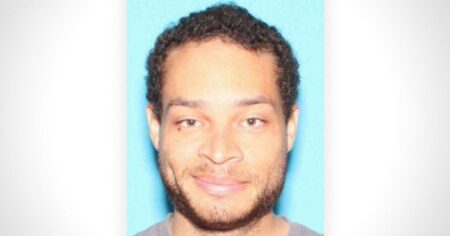
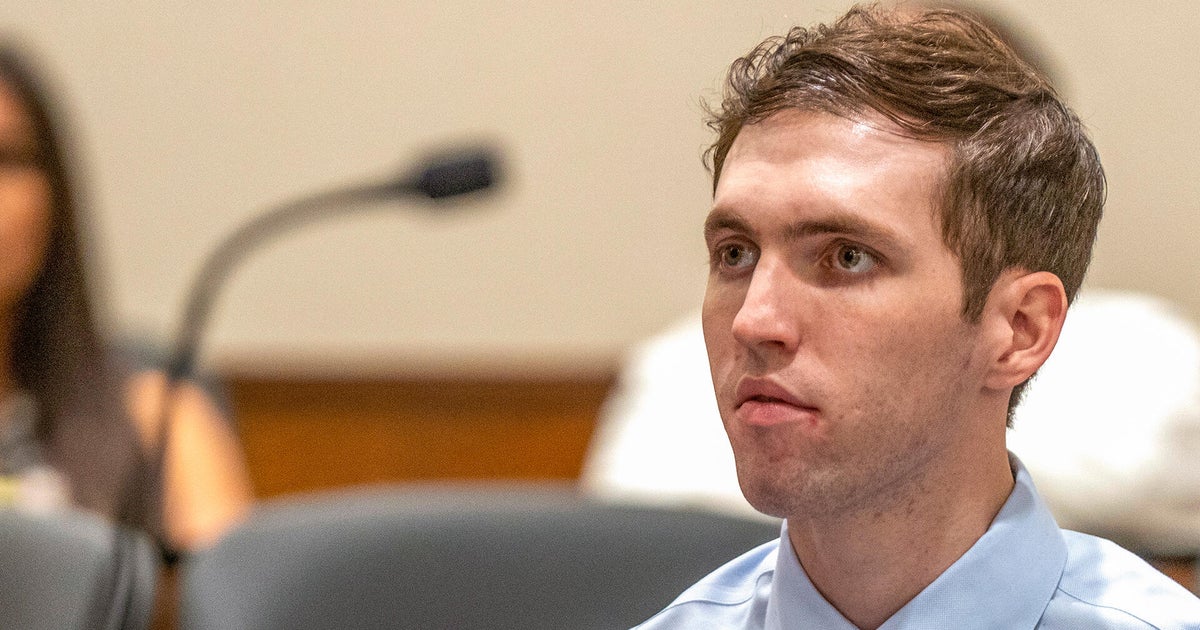
The legal proceedings surrounding the tragic death of conservative activist Charlie Kirk have taken a significant turn as defense attorneys representing the accused, Tyler Robinson, are requesting more time before moving forward with preliminary hearings. The case, which has captured national attention due to Kirk’s prominent role in conservative politics, now hinges on complex forensic evidence that may not be as straightforward as initially believed. Defense lawyers are arguing that they need additional time to thoroughly examine an overwhelming volume of evidence and, more importantly, to analyze ballistics test results that could potentially prove crucial to their client’s defense strategy.
Inconclusive Ballistics Analysis Raises Questions About Physical Evidence
At the heart of the defense’s motion to delay is a bombshell revelation about the physical evidence connecting Robinson to the crime. According to recent court filings, an analysis conducted by the Bureau of Alcohol, Tobacco, Firearms and Explosives (ATF)—a federal agency with significant expertise in firearms forensics—was unable to definitively link a bullet fragment recovered during Kirk’s autopsy to the rifle that was discovered near the crime scene on the Utah Valley University campus. This inability to make a conclusive match represents a potentially significant gap in the prosecution’s physical evidence chain. The success of forensic ballistics analysis typically depends heavily on the size and condition of bullet fragments available for examination. Forensic experts search for unique, microscopic markings that are imprinted on a bullet as it travels through a gun’s barrel. These markings function similarly to fingerprints—each firearm creates distinctive scratches and impressions that theoretically should be unique to that weapon alone, allowing investigators to match bullets to specific guns. However, when fragments are too small, too damaged, or too distorted, making these identifications becomes extremely difficult or even impossible.
Additional FBI Testing Adds Complexity to Case Timeline
The situation has become even more complicated as the FBI has now stepped in to conduct additional forensic testing. According to court documents reviewed by CBS Salt Lake City affiliate KUTV, the FBI is currently “in the process” of performing a second, independent bullet analysis. Beyond simply re-examining the bullet fragment itself, federal investigators are also conducting an analysis of the lead composition of the bullet—a technique known as comparative bullet lead analysis, which examines the elemental composition of lead to potentially link bullets to specific batches of ammunition. This additional layer of testing indicates that authorities recognize the importance of establishing a definitive connection between the physical evidence and the weapon in question. The ATF report containing the initial inconclusive findings has been kept private and sealed from public view, though defense attorneys have strategically cited specific portions of it in other public court filings to support their arguments for delay. Robinson’s defense team has indicated that they may attempt to use these inconclusive forensic findings to challenge the prosecution’s case and potentially clear their client during the preliminary hearing phase, which is designed to determine whether sufficient evidence exists to proceed to a full trial.
DNA Evidence Presents Mixed Picture for Both Sides
While the ballistics evidence may be less conclusive than prosecutors might have hoped, the prosecution has pointed to DNA evidence as a cornerstone of their case against the 22-year-old Robinson. Prosecutors have stated that DNA consistent with Robinson’s genetic profile was found on multiple critical pieces of evidence: the trigger of the rifle believed to have been used in the shooting, the fired cartridge casing ejected when the weapon was discharged, and two unfired cartridges that remained in the weapon. This would seem to place Robinson in direct physical contact with the murder weapon. However, the defense attorneys have been quick to point out important nuances in these DNA findings that complicate the seemingly straightforward narrative. According to the defense’s reading of the forensic reports, multiple people’s DNA was detected on some of the items in question. This finding of mixed DNA profiles requires a much more sophisticated and complex analysis to determine not just whose DNA is present, but in what quantities, in what locations on the items, and potentially in what sequence the DNA was deposited. The presence of DNA from multiple individuals could suggest that the weapon had been handled by various people, potentially before or after the shooting, which could open questions about chain of custody, contamination, or alternative theories about what happened that day.
Motive and Digital Evidence Form Prosecution’s Narrative
Beyond the physical and forensic evidence, prosecutors have built part of their case on what they describe as evidence of motive and intent. According to statements made by prosecutors in court filings, Robinson allegedly sent text messages to his romantic partner that revealed his state of mind leading up to the shooting. In these messages, Robinson reportedly stated that he targeted Kirk because he “had enough of his hatred”—presumably referring to Kirk’s conservative political views and activism, which had made him a polarizing figure in American political discourse. This alleged digital evidence would, if authentic and admissible, provide prosecutors with insight into Robinson’s mindset and potential premeditation. The shooting occurred on September 10 on the campus of Utah Valley University in Orem, a public institution where Kirk was presumably speaking or visiting as part of his activism work. The prosecution has charged Robinson with aggravated murder, the most serious homicide charge available under Utah law, and has announced their intention to seek the death penalty—a decision that significantly raises the stakes of the case and makes the thoroughness of the preliminary proceedings all the more critical. Robinson has not yet entered a formal plea to the charges, as the case remains in its early procedural stages.
Media Access and Upcoming Court Proceedings Shape Public Narrative
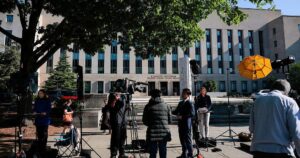
The high-profile nature of this case has created additional legal complications beyond the evidence itself, particularly regarding public and media access to court proceedings. Robinson is scheduled to appear in court on April 17 for a hearing specifically addressing a defense motion to ban cameras from the courtroom during proceedings. This motion reflects the defense team’s concern that extensive media coverage could potentially prejudice public opinion, make it more difficult to seat an impartial jury, or otherwise interfere with Robinson’s right to a fair trial. The tension between the public’s right to access court proceedings and a defendant’s right to a fair trial is a constant challenge in high-profile criminal cases, particularly those involving political figures or controversial issues. The defense’s request for a delay of the preliminary hearing originally scheduled for May is grounded in their argument that they need sufficient time to review what they describe as an enormous volume of discovery material—all the evidence and information the prosecution is required to share with the defense. Given the ongoing FBI testing, the complexity of the DNA analysis, and the need to potentially retain their own forensic experts to evaluate the ballistics evidence, the defense argues that proceeding according to the original timeline would deprive Robinson of his constitutional right to adequate representation and a thorough defense. As this case continues to unfold in Fourth District Court in Provo, Utah, it serves as a reminder of how complex modern criminal prosecutions have become, particularly in cases where forensic science plays a central role. The outcome may ultimately hinge not on any single piece of evidence, but on how effectively each side can present a comprehensive narrative that accounts for all the physical, digital, and testimonial evidence in a case that has already captured significant public attention.