


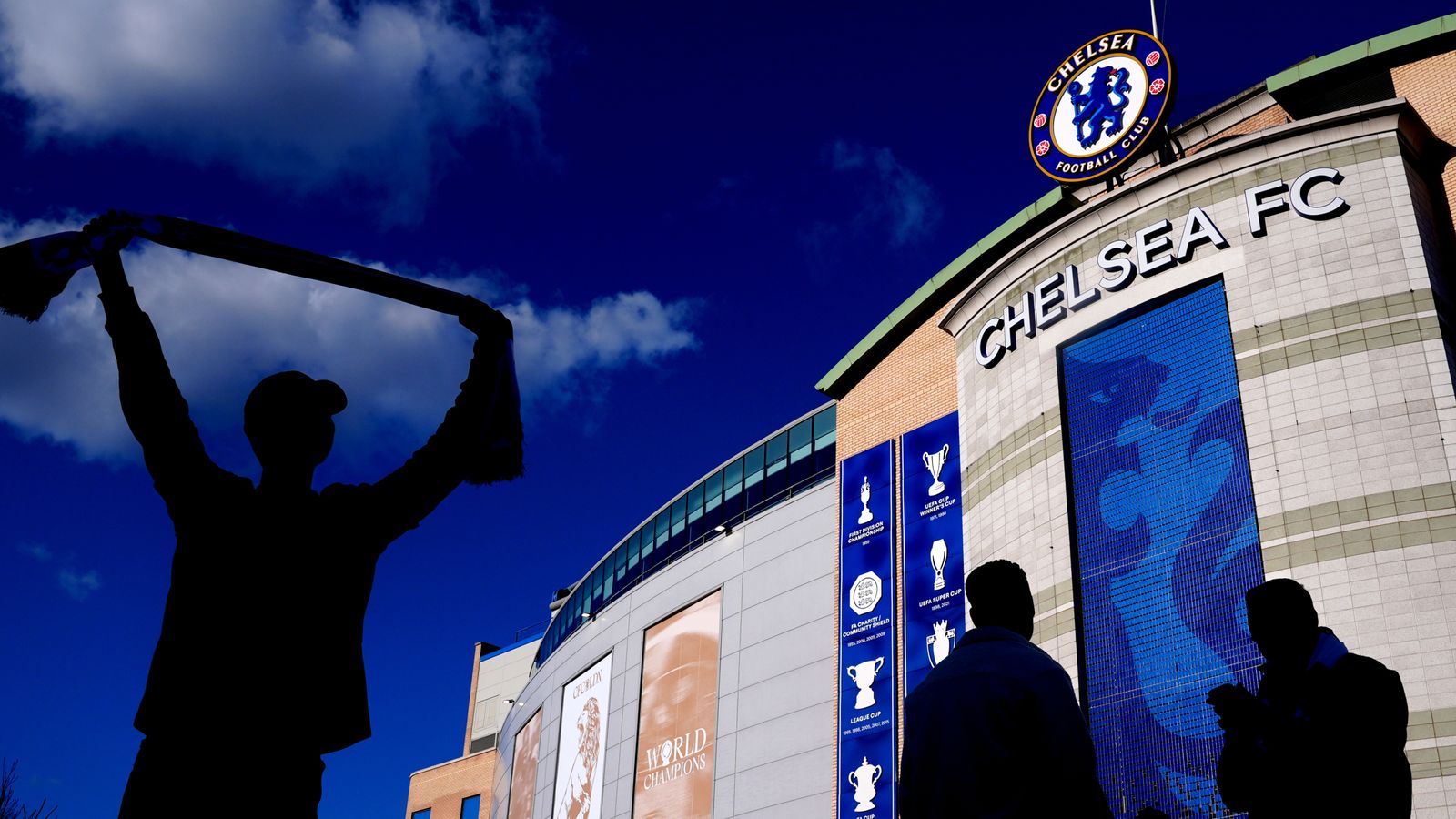

Chelsea FC Posts Record-Breaking £262.4m Loss: What It Means for the Club’s Future
Historic Financial Setback Marks Turbulent Period for the Blues
Chelsea Football Club has made headlines for all the wrong reasons, revealing a staggering pre-tax loss of £262.4 million for the 2024-25 season—the largest financial loss ever recorded in Premier League history. This eye-watering figure represents a dramatic turnaround from the previous year when the club reported a profit of £128.4 million, though that positive result was largely attributed to the controversial sale of their women’s team to Blueco Midco, a subsidiary company, for approximately £200 million. The announcement comes at a particularly sensitive time for the west London club, which is still navigating the choppy waters of new ownership and attempting to establish stability both on and off the pitch. The club has attributed these massive losses partly to significantly higher operating costs compared to the previous year, though the full picture reveals a more complex financial landscape shaped by ambitious spending, regulatory challenges, and the ongoing transition from the Roman Abramovich era to the current ownership structure led by American businessman Todd Boehly.
Revenue Growth Can’t Offset Massive Operating Expenses
Despite the record-breaking losses, Chelsea did manage to achieve their second-highest revenue on record during the 2024-25 season, bringing in £490.9 million. This impressive revenue figure included earnings from the club’s successful Club World Cup campaign the previous summer, which saw Chelsea players celebrating victory alongside US President Donald Trump in a memorable moment captured by cameras worldwide. However, even this substantial income proved insufficient to offset the club’s operating expenses, which have ballooned under the new ownership regime. The financial reality facing Chelsea illustrates a common challenge in modern football: the escalating costs of competing at the highest level often outpace even significant revenue growth. The club’s spending has been particularly aggressive in the transfer market, with approximately £1.5 billion invested in new players since Todd Boehly’s consortium acquired the club in 2022 from Russian billionaire Roman Abramovich, who was forced to sell due to his connections with Vladimir Putin following Russia’s full-scale invasion of Ukraine.
Regulatory Challenges and Historical Breaches Add to Financial Pressure
The announcement of these historic losses comes just weeks after Chelsea received a suspended one-year transfer ban and a £10.75 million fine for breaches of Premier League rules that occurred during the Abramovich ownership era. An investigation by the league uncovered that between 2011 and 2018, more than £47.5 million in undisclosed payments were made by third parties associated with Chelsea to players, unregistered agents, and other parties involved in transfer negotiations. These payments came from entities that the Premier League determined were “controlled by or associated with” Abramovich and helped facilitate transfers for high-profile players including Eden Hazard, Samuel Eto’o, and Willian, though there is no suggestion of wrongdoing on the part of these players themselves. This represents the largest fine ever imposed in Premier League history and demonstrates the league’s increasing determination to enforce financial regulations and ensure transparency in football transactions. The suspended nature of the transfer ban means Chelsea can continue operating in the transfer market as long as they comply with regulations going forward, but it serves as a serious warning about the consequences of financial irregularities.
Navigating Profitability and Sustainability Rules Despite Massive Losses
Perhaps surprisingly, despite posting the largest loss in Premier League history, sources close to the club have expressed confidence that Chelsea remains compliant with the Premier League’s Profitability and Sustainability Rules (PSR) moving forward, according to reports from the Press Association. These crucial regulations are designed to prevent clubs from engaging in unsustainable spending patterns that could threaten their long-term financial stability and the integrity of competition within the league. Under PSR guidelines, clubs are permitted maximum losses of £105 million over a rolling three-year period—a figure that Chelsea’s single-year loss more than doubles. However, the rules contain important provisions that allow for certain expenditures to be excluded from these calculations, known as “add-backs.” These permitted exclusions cover spending on infrastructure development, youth academy investment, and women’s football programs. It is understood that these allowable deductions have been substantial enough to keep Chelsea within the PSR boundaries for the 2024-25 season, suggesting that a significant portion of the club’s losses can be attributed to investments in these permitted categories rather than purely operational overspending on first-team activities.
Looking Ahead: Ambitious Revenue Projections and Financial Strategy
Despite the challenging current financial picture, Chelsea’s leadership appears optimistic about the club’s economic future. The club is reportedly forecasting revenue exceeding £700 million for the 2025-26 season, which would represent a substantial increase from the current year’s already impressive £490.9 million. This projected growth would come from multiple sources, including potential Champions League participation, increased commercial partnerships, matchday revenues, and broadcast rights. The ambitious revenue target reflects the club’s confidence in their on-field performance improving and their global brand continuing to expand under the new ownership. Todd Boehly and his consortium have demonstrated a willingness to invest heavily in the club’s infrastructure and playing squad, betting that these investments will eventually translate into both sporting success and financial returns. The strategy represents a long-term approach to club building, acknowledging that short-term losses may be necessary to establish the foundation for sustainable success in the highly competitive modern football landscape. Previous financial records show that such aggressive investment periods are not unprecedented in Premier League history—the previous record for highest pre-tax loss was held by Manchester City, who posted a £197.5 million loss during the 2010-11 season as part of their transformation into one of English football’s dominant forces.
The Broader Context: Modern Football’s Financial Realities
Chelsea’s record-breaking losses highlight broader trends and challenges facing elite football clubs in the contemporary game. The astronomical sums involved in player transfers, wages, agent fees, and operational costs have created a financial environment where even clubs with substantial revenues can find themselves posting significant losses while attempting to remain competitive. The transition from Abramovich’s ownership—during which he personally funded the club through owner loans rather than seeking commercial sustainability—to a model that must balance ambition with financial regulations has proven particularly challenging for Chelsea. The new ownership’s strategy of signing players to unusually long contracts, sometimes extending to eight or nine years, has been an attempt to spread the accounting impact of transfer fees over longer periods, thereby reducing the annual charges against revenues. This approach, while creative, has also drawn scrutiny and may face future regulatory restrictions. As football’s governing bodies continue to strengthen financial regulations to promote sustainability and competitive balance, clubs like Chelsea must navigate increasingly complex rules while maintaining their competitive ambitions. The coming seasons will reveal whether Chelsea’s massive investments and strategic financial planning will yield the on-field success and commercial growth necessary to return the club to profitability while establishing a sustainable model for the future.