


Trump’s Iran Address Heightens Market Uncertainty and Economic Concerns
Failed Reassurance Triggers Market Volatility
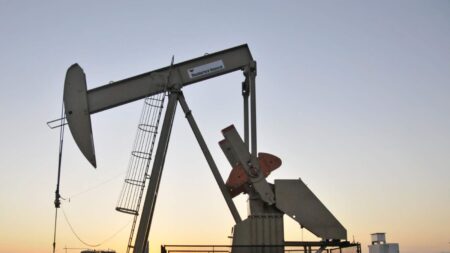
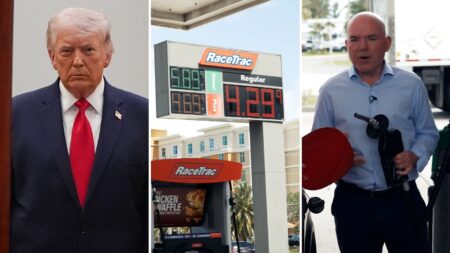
President Donald Trump’s latest primetime address to the nation, intended to calm fears about the ongoing US-Israeli military operations in Iran, has instead sparked fresh waves of anxiety across global financial markets. Rather than providing the reassurance investors desperately sought, Trump’s mixed messaging—promising a potential withdrawal of American forces within two to three weeks while simultaneously threatening devastating strikes on Iranian electrical infrastructure—has left markets reeling. The immediate aftermath saw oil prices, which had briefly dipped below the psychologically important $100-per-barrel mark, surge dramatically. Benchmark Brent crude jumped more than 7% to reach $107.50, a move that reverberates far beyond trading floors. These price swings directly impact everyday costs for ordinary people, from the petrol pumps where families fill their cars to home heating bills and the broader price of goods throughout the entire economy. The volatility underscores a fundamental problem: markets crave certainty, and Trump’s contradictory statements have delivered anything but that.
Energy Crisis Echoes of the 1970s
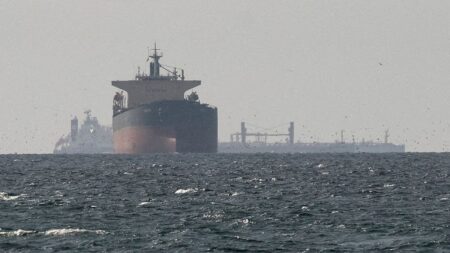
The root of market anxiety lies in a very real threat that feels uncomfortably familiar to those who remember the energy crises of the 1970s. For the past month, the Strait of Hormuz—a narrow waterway of enormous strategic importance—has become essentially impassable for commercial shipping. This isn’t a minor shipping lane; it’s the vital artery through which more than a fifth of the world’s oil and liquefied natural gas normally flows. Iranian attacks on vessels attempting the passage, combined with insurance companies dramatically hiking premiums for ships brave enough to try, have effectively choked off this critical supply route. The consequences have been severe and cascading: major oil-producing Gulf states have seen their exports blocked, storage facilities have filled to capacity with product that can’t be shipped, and producers have been forced to scale back operations. The particular challenge with oil and gas production is that it’s not like flipping a light switch—you can’t simply power down wells and facilities one day and restart them the next. The infrastructure is complex, the processes are intricate, and resuming normal production levels will require significant time even once shipping routes reopen. This means that even in a best-case scenario where hostilities end soon, the economic aftershocks will persist for months.
British Economy Feels the Squeeze
The United Kingdom is experiencing these global tremors with particular intensity. British energy markets saw wholesale gas prices leap more than 6% following Trump’s remarks, a troubling development because electricity prices in the UK remain closely tied to gas costs—a structural issue that has long troubled economists and consumer advocates. Currency markets also reflected the uncertainty, with the pound sterling weakening against both the dollar and euro. Before Trump’s speech, a pound could buy $1.33; by the following morning, that had slipped to $1.32. Against the euro, the pound fell from €1.16 to just over €1.15. These might seem like small movements, but they matter enormously because commodities like oil are priced in dollars. When the pound weakens, British consumers and businesses effectively pay more for the same goods. The FTSE 100, London’s premier stock index representing the most valuable companies traded on the exchange, shed 0.6% of its value after posting strong gains the previous day. Perhaps most painfully for ordinary households, home heating oil prices have remained stubbornly high at more than double their pre-war levels. The RAC, Britain’s leading motoring organization, reported that petrol and diesel prices jumped more sharply in March than in any previous single month on record—a staggering statistic that translates to real hardship for millions of commuters and families. Looking ahead, the Food and Drink Federation, which represents manufacturers in those sectors, has grimly predicted that food inflation will climb to at least 9% by year’s end, even if the conflict were to end within weeks. That means the weekly grocery shop will become significantly more expensive for households already stretched thin.
Asian Markets React with Sharp Declines
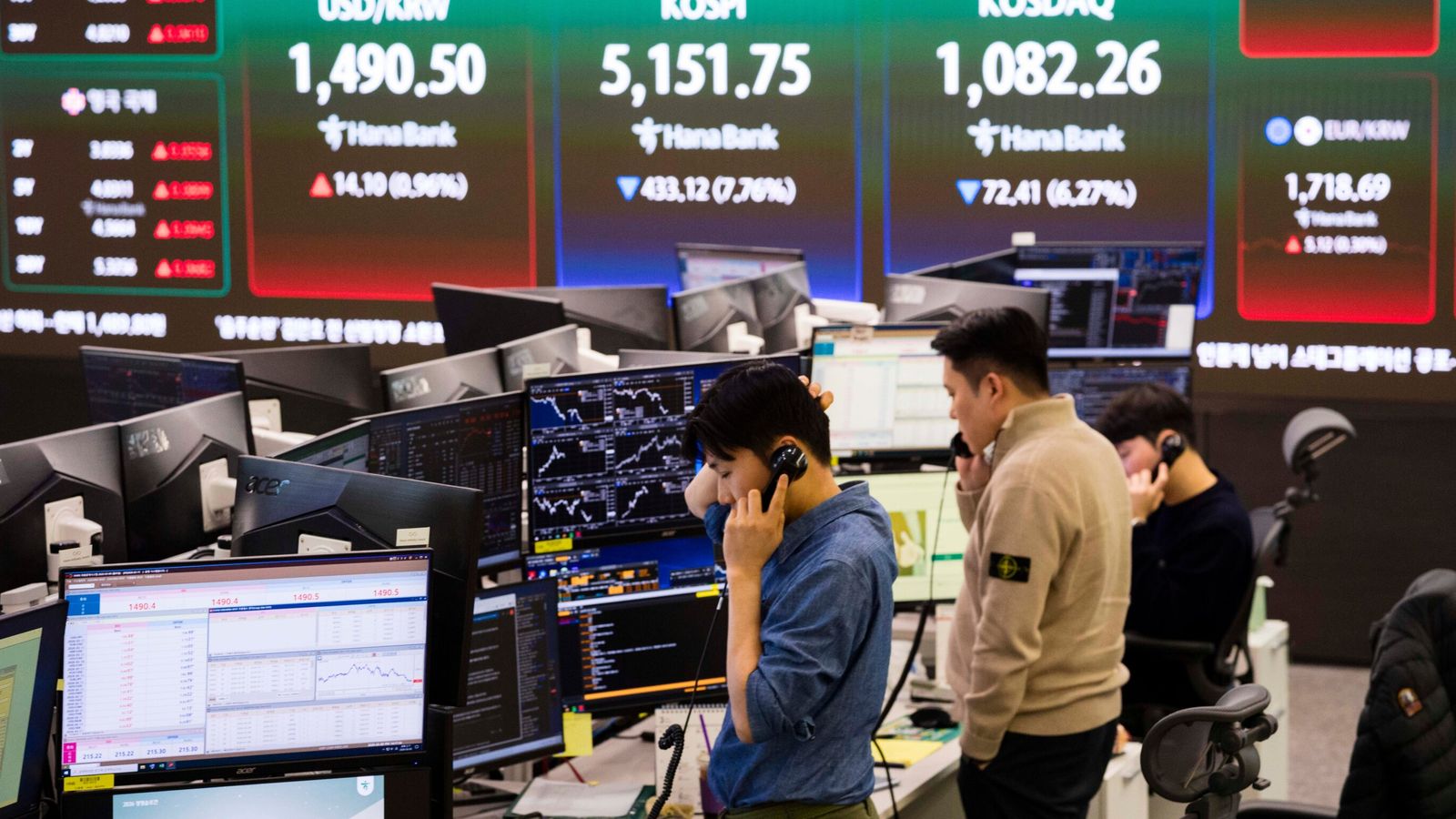
The ripples of uncertainty spread rapidly across Asian trading hours, where major stock indices posted significant losses that reflected deep investor concern about the economic implications of continued Middle Eastern instability. South Korea’s Kospi index tumbled more than 4.5%, while Japan’s Nikkei suffered a 2.3% decline—substantial single-day movements that wipe billions from market valuations and affect pension funds, retirement accounts, and investment portfolios worldwide. Asian markets are particularly sensitive to energy price shocks because the region imports vast quantities of oil and gas, much of it historically flowing through the now-disrupted Strait of Hormuz. Countries like Japan, South Korea, and China have limited domestic energy resources and depend heavily on Middle Eastern supplies to power their massive manufacturing sectors and energy-hungry economies. The prospect of prolonged supply disruptions, combined with the uncertainty about whether and when normal shipping might resume, has created a toxic mix of anxiety. Investors are grappling with questions that have no clear answers: How long will the conflict actually last? Will the Strait of Hormuz become safe for commercial traffic again? What will be the long-term impact on energy supply chains? Trump’s speech, rather than clarifying these issues, has only deepened the confusion by offering contradictory signals about both timeline and intensity of American military involvement.
Pattern of Failed Market Reassurance
Trump’s overnight address represents only the latest in a series of attempts by the administration to calm jittery markets and concerned voters about both the duration of military operations and their impact on household budgets. Each previous effort has similarly failed to deliver lasting reassurance. In the conflict’s first week, the president announced that the US Navy would escort commercial ships through the Strait of Hormuz, providing protection against Iranian attacks—a promise that never materialized in any meaningful way. When that initiative fizzled, the administration pivoted to lifting sanctions on Russian oil, hoping that Indian refineries could process Russian crude and help ease global supply pressures. Despite these various policy initiatives, oil prices have remained persistently elevated, refusing to respond to Trump’s repeated public statements that military objectives have been largely achieved and that the war would soon conclude. Even his suggestion that American forces might seize Kharg Island—Iran’s primary oil export terminal and a facility of enormous strategic importance—failed to move markets. Traders and investors have apparently learned to discount Trump’s pronouncements, waiting instead for concrete developments on the ground. This credibility gap presents a serious problem for any administration trying to manage economic expectations during a crisis. When presidential statements no longer effectively shape market psychology, policymakers lose an important tool for preventing panic and maintaining stability.
Economic Uncertainty and the Road Ahead
The fundamental challenge facing markets, policymakers, and ordinary people is the profound uncertainty about what comes next. Military conflicts are inherently unpredictable, and the economic consequences often extend far beyond the shooting war itself. Even if hostilities were to cease tomorrow, the logistics of restoring normal energy flows would take considerable time. Ships need to be repositioned, insurance arrangements normalized, production facilities brought back to full capacity, and supply chains reconstructed. Each of these steps involves complex coordination among multiple parties across different countries with varying interests. Meanwhile, households and businesses must navigate an environment of elevated costs and economic instability. For families, this means difficult decisions about budgets, perhaps cutting back on discretionary spending or depleting savings to cover necessities. For businesses, particularly in energy-intensive industries or those dependent on complex supply chains, it means managing increased costs, uncertain delivery schedules, and nervous customers. The broader economic impact ripples through employment, investment decisions, and long-term planning. Central banks face the uncomfortable dilemma of whether to raise interest rates to combat inflation driven by energy costs, potentially tipping economies into recession, or to hold steady and risk letting inflation become entrenched. These are the real-world consequences of geopolitical instability, far removed from the abstract language of presidential addresses and market indices, but intimately connected to the daily lives of millions who simply want to afford their heating bills, fill their cars with fuel, and put food on the table without breaking the bank.