

Federal Prosecutors Subpoena James Comey in Probe of Obama-Era Intelligence Officials
Investigation Targets Former Top Intelligence Leaders
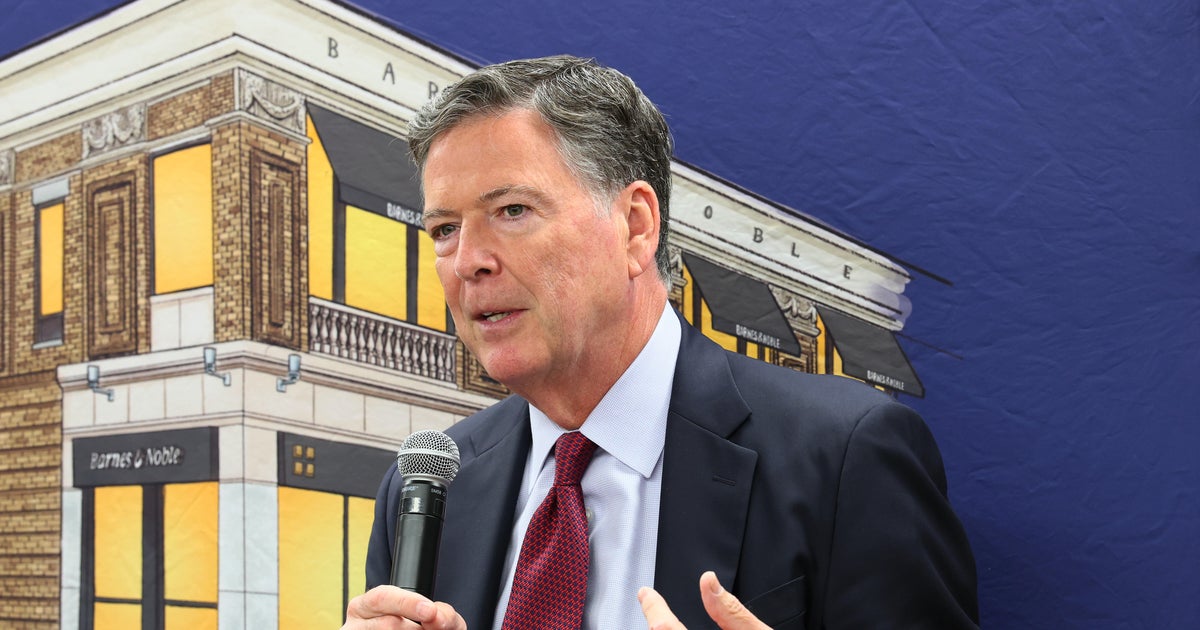
In a significant development that has sent ripples through Washington’s political circles, former FBI Director James Comey has been summoned to testify before federal prosecutors in Miami. This subpoena is part of an extensive Justice Department investigation examining the actions of intelligence officials who served during the Obama administration. Two sources with direct knowledge of the ongoing investigation confirmed this information to CBS News, marking another chapter in what has become one of the most politically charged probes in recent American history. The investigation has been characterized by some as a thorough examination of potential misconduct, while critics have dismissed it as a politically motivated witch hunt. Regardless of one’s perspective, the scope and scale of this investigation underscore its significance in the current political landscape, as it touches upon some of the most consequential figures in American intelligence and law enforcement from the previous decade.
Massive Scale of Investigation Revealed
The sheer magnitude of this investigation has become increasingly apparent as details have emerged about the number of individuals being called to testify and provide documents. According to one of the sources familiar with the probe, federal prosecutors have issued more than 130 subpoenas since the investigation began last year, a staggering number that indicates the comprehensive nature of the inquiry. This isn’t just about one or two individuals; rather, it represents a sweeping examination of activities and communications among numerous intelligence community members during a particularly tumultuous period in American politics. The investigation has cast a wide net, pulling in not just the most recognizable names from the FBI and CIA, but also reaching into various levels of the intelligence apparatus that operated during the transition from the Obama administration to the Trump presidency and beyond.
High-Profile Intelligence Officials Summoned
Among those who have received subpoenas are some of the most prominent figures in America’s recent intelligence history. In November, a federal grand jury issued subpoenas to former CIA Director John Brennan, a vocal critic of former President Trump who has maintained a high public profile since leaving government service. Also subpoenaed were former FBI counterintelligence official Peter Strzok and former FBI attorney Lisa Page, both of whom became household names during previous investigations due to their text messages that critics claimed showed anti-Trump bias. Former FBI Deputy Director Andrew McCabe, another figure who has been at the center of political controversy, also received a subpoena, according to his attorney Michael Bromwich. In a statement that reflects the deeply partisan nature of this investigation, Bromwich characterized the probe as “a vendetta in search of a crime,” suggesting that prosecutors are working backward from a predetermined conclusion rather than following evidence to its natural conclusion. This comment encapsulates the view held by many who see the investigation as politically motivated rather than as a legitimate pursuit of justice.
Expanding Timeline and Document Requests
The investigation has not remained static but has actually expanded in recent weeks, according to lawyers representing various subpoena recipients who spoke with CBS News. New subpoenas have been dispatched to former intelligence officials, and while they seek documents on the same general subject matter as earlier requests, they have significantly broadened the date range being examined. Originally focused on events in 2016, the new subpoenas now request documents and communications spanning from 2016 through the present day. This expansion suggests that prosecutors are either discovering new leads that warrant examination of more recent activities, or they are taking a more comprehensive approach to understanding the full scope of whatever activities they’re investigating. The extended timeline means that officials will need to produce documents and communications covering not just the controversial 2016 presidential election period, but also the entire Trump presidency and into the current administration, potentially revealing previously unknown information about how intelligence officials operated during this entire era.
Comey Remains Silent as Political Tensions Rise
When approached for comment about the subpoena, attorneys representing James Comey declined to provide any statement, maintaining the kind of silence that is typical in ongoing legal proceedings but that also fuels speculation about what prosecutors might be seeking. Comey, who has written books and given numerous interviews about his time leading the FBI, particularly his interactions with President Trump and his role in the investigation into Hillary Clinton’s email server, has been a polarizing figure in American politics. His firing by President Trump in 2017 sparked accusations of obstruction of justice and contributed to the appointment of Special Counsel Robert Mueller to investigate Russian interference in the 2016 election. Now finding himself on the receiving end of a subpoena, Comey’s situation illustrates how the tables have turned, with former investigators becoming the investigated. The news of his subpoena was first reported by Axios before being confirmed by CBS News, and it has already generated significant attention from political observers across the spectrum.
Origins in Controversial Criminal Referral
The genesis of this sprawling investigation can be traced back to actions taken by Director of National Intelligence Tulsi Gabbard, who made a criminal referral to the Justice Department last year. In that referral, Gabbard alleged what she termed a “treasonous conspiracy” during 2016 by former top Obama administration intelligence officials. According to her claims, these officials worked to undermine both the Trump campaign during the election and the Trump presidency after his inauguration. However, it’s crucial to note that this serious allegation was made without publicly presented evidence to support such an extraordinary claim. The use of the word “treasonous” is particularly significant, as treason is one of the most serious crimes defined in the U.S. Constitution and carries severe penalties. Critics of the investigation argue that beginning with such a charged allegation without supporting evidence demonstrates that this is a politically motivated prosecution rather than a legitimate criminal investigation. Supporters, however, contend that the number of subpoenas issued and the seriousness with which prosecutors are pursuing the matter suggests there may be substance to the claims. As this investigation continues to unfold, it will likely remain a flashpoint in American political discourse, with interpretations of its legitimacy and findings divided largely along partisan lines, reflecting the deep divisions that characterize contemporary American politics.