

Crisis at Sea: Dutch Cruise Ship Reaches Safety After Deadly Hantavirus Outbreak
A Race Against Time in International Waters
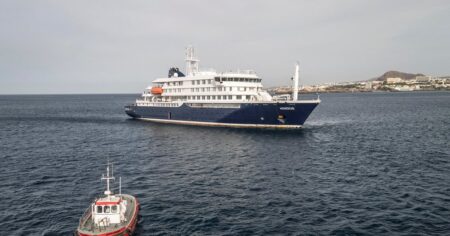
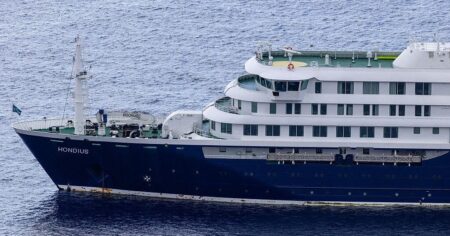
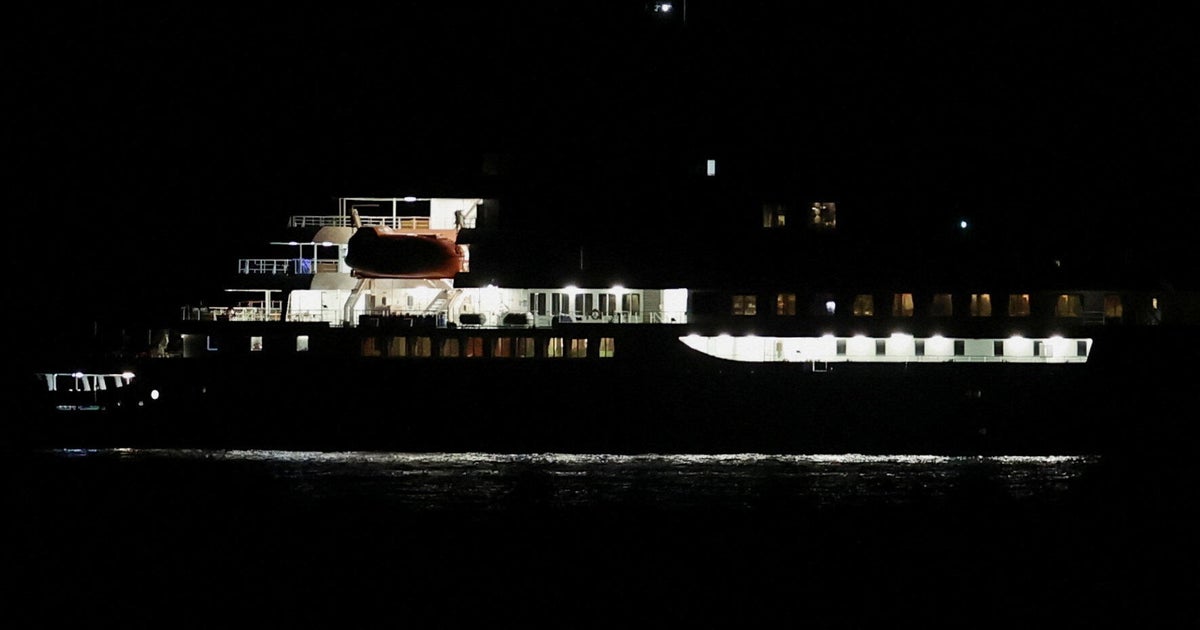
In the early hours of a Sunday morning, the Dutch-flagged cruise ship MV Hondius finally arrived at Spain’s Canary Islands, bringing an end to a harrowing journey that had captivated international attention. The vessel, carrying nearly 150 souls from more than 15 countries, had become the center of a public health emergency after a deadly hantavirus outbreak claimed three lives and left several others critically ill. Among the passengers were 17 Americans, all anxiously awaiting evacuation after days of uncertainty at sea. The ship had sailed from Cape Verde after Spain agreed to accept the vessel at the port of Granadilla on Tenerife, the largest of the Canary Islands. As dawn broke, witnesses saw the Hondius being escorted by a Spanish Civil Guard vessel, a somber reminder of the serious nature of the situation unfolding aboard. Health officials from multiple countries and international organizations had assembled on shore, preparing for the complex logistics of safely evacuating passengers while preventing any potential spread of the virus. The World Health Organization confirmed that while there were at least nine confirmed or suspected cases linked to the outbreak, none of those still aboard were currently showing symptoms—a small but significant piece of good news in an otherwise troubling situation.
The Human Toll of an Invisible Threat
The outbreak had already claimed three victims: a 70-year-old Dutch man and his 69-year-old wife, along with a German woman. Their stories paint a tragic picture of how quickly a vacation can turn into a nightmare. The Dutch couple, passionate bird-watchers who had spent weeks traveling through Argentina, Chile, and Uruguay before boarding the cruise, were believed to have contracted the virus during their South American adventure. They had been exploring areas where rodents known to carry the Andes strain of hantavirus are present, though they likely had no idea of the danger lurking in the wilderness they so loved. The husband developed symptoms on April 6 and tragically died aboard the ship just five days later on April 11. At the time, medical personnel didn’t suspect hantavirus because his symptoms resembled those of other common respiratory illnesses—a detail that would later prove crucial in understanding how the outbreak spread undetected. His wife disembarked when the ship docked at the British territorial island of St. Helena, only to develop serious symptoms during a flight to Johannesburg, South Africa, on April 25. She passed away the following day, and testing confirmed the hantavirus infection. The German woman showed symptoms on April 28 and died aboard the ship on May 2, adding to the growing concern among passengers and crew who realized they might have been exposed to something deadly.
A Complex International Rescue Operation
The evacuation operation coordinated by the World Health Organization and several other health organizations represented a massive logistical challenge. Oceanwide Expeditions, the ship’s operator, explained that all passengers and a portion of the approximately 60 crew members would be evacuated using small launch boats capable of carrying only five to ten people at a time—a painstaking process that would take hours to complete. WHO Director-General Dr. Tedros Ghebreyesus himself traveled to Tenerife prior to the ship’s arrival, underscoring the international significance of the outbreak. Once passengers and most crew members had safely disembarked, a skeleton crew would remain aboard to take on supplies before beginning the five-day journey to Rotterdam, Netherlands. For the 17 American passengers, a special medical repatriation flight arranged by the U.S. Centers for Disease Control and Prevention and the Department of Health and Human Services awaited. The CDC dispatched a team of epidemiologists and medical professionals to the Canary Islands to conduct exposure risk assessments for each American passenger and provide personalized recommendations for monitoring. These Americans would be flown directly to Offutt Air Force Base in Omaha, Nebraska, and then transported to the University of Nebraska Medical Center’s specialized biocontainment unit—one of the few facilities in the United States equipped to handle such potentially dangerous infectious disease cases.
Understanding the Enemy: Hantavirus Explained
For many people following this story, hantavirus was an unfamiliar threat, something that seemed to belong more to history books than modern cruise ships. According to the CDC, hantaviruses are actually a family of diseases spread to humans from rodents through their urine, droppings, or saliva. What makes this particular outbreak especially concerning is that it can take up to eight weeks after initial contact for symptoms to develop, meaning passengers and crew could have been walking around feeling perfectly fine while incubating the virus. However, health officials were quick to reassure the public that the overall risk remained low. The Andes strain found in Latin America is the only hantavirus variant known to transmit between humans through close contact, and even then, transmission only occurs from symptomatic individuals. Acting CDC Director Dr. Jay Bhattacharya emphasized in a statement that “hantavirus is not spread by people without symptoms, transmission requires close contact, and the risk to the American public is very low.” Michael Wadman, medical director of the National Quarantine Unit at the University of Nebraska Medical Center, explained that each American passenger would have their own private room during quarantine for an unspecified period, allowing medical staff to monitor them individually while ensuring their comfort and privacy during what would undoubtedly be a stressful time.
Tracing the Outbreak’s Path
Investigators working to understand how this outbreak occurred focused on reconstructing the ship’s journey and the movements of those who fell ill. The Hondius had set sail on April 1 from Ushuaia, Argentina, embarking on what should have been an adventure of a lifetime through some of the world’s most remote and beautiful locations. The cruise took passengers to several islands in the south Atlantic, including the South Georgia and South Sandwich Islands, Tristan da Cunha, Gough Island, and St. Helena from April 21 to 24. It was during the St. Helena stop that 32 passengers from about a dozen countries disembarked, including the Dutch woman who would die days later—a decision that complicated contact tracing efforts significantly. The vessel then anchored off the coast of Cape Verde, an archipelago located off West Africa, where it remained for several days in a kind of maritime limbo before Spanish authorities agreed to allow it to proceed to the Canary Islands. Meanwhile, American passengers who had returned to the U.S. before the outbreak was discovered were being monitored by state health agencies in California, Georgia, Texas, Virginia, and Arizona, creating a web of surveillance spanning the entire country. The source of the outbreak remained under investigation, but the evidence pointed strongly to the Dutch couple’s bird-watching expedition through regions of South America where the Andes virus-carrying rodents live.
Lessons Learned and Looking Forward
This outbreak serves as a sobering reminder that in our interconnected world, a disease contracted in the wilderness of South America can affect people from more than 15 countries within weeks. It highlights the importance of international cooperation in health emergencies—how quickly Spain, the Netherlands, the United States, and international health organizations coordinated their response likely prevented additional deaths. The fact that the initial death went unrecognized as hantavirus because symptoms resembled common respiratory illnesses also underscores the challenges medical professionals face in diagnosing rare diseases, especially in settings like cruise ships where sophisticated testing may not be immediately available. For the passengers and crew of the Hondius, what began as an exciting expedition to some of the world’s most remote and pristine environments ended in quarantine, testing, and for some, hospitalization far from home. Three British nationals remained in various stages of medical care—one evacuated to South Africa, another hospitalized on Tristan da Cunha, and a Swiss passenger receiving treatment in Zurich after developing symptoms following disembarkment. As the world watched the Hondius finally reach safety, the incident reminded us that adventure always carries some risk, and that the natural world, for all its beauty, still harbors dangers that demand our respect and vigilance.