
Rare Ruby Discovery in Myanmar Highlights the Complex Intersection of Natural Wealth and Conflict
A Remarkable Gemstone Emerges from War-Torn Soil
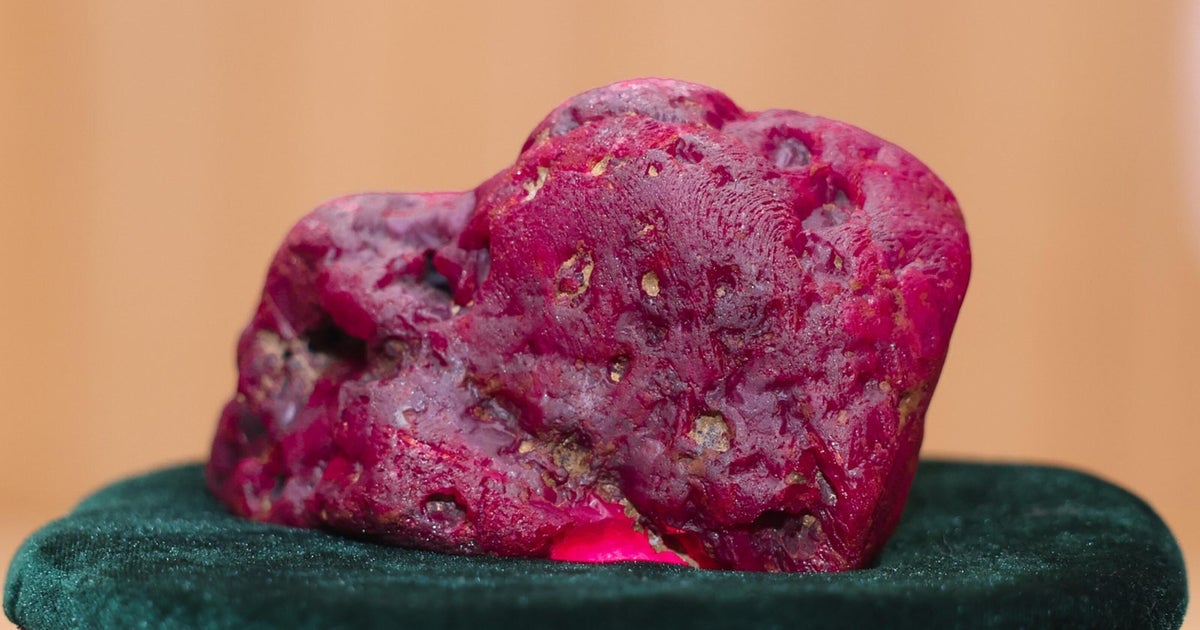
In a country torn apart by civil war and political turmoil, nature has revealed one of its most spectacular treasures. Miners working in Myanmar’s famed gem-producing regions have unearthed an extraordinary ruby that has captured the attention of gemstone experts worldwide. Weighing in at an impressive 11,000 carats, or approximately 4.8 pounds, this remarkable stone represents the second-largest ruby by weight ever discovered in Myanmar’s storied mining history. The discovery occurred near Mogok, a town nestled in the upper Mandalay region that has long been considered the heart of Myanmar’s lucrative gemstone industry. What makes this find particularly poignant is its timing—the ruby was discovered in mid-April, just following the traditional New Year festival, in an area that has recently witnessed some of the most intense fighting in the country’s ongoing civil conflict. The juxtaposition of this beautiful natural discovery against the backdrop of human strife serves as a powerful reminder of how Myanmar’s incredible natural resources exist alongside its profound political and social challenges.
Superior Quality Surpasses Historic Finds
While the newly discovered ruby may weigh roughly half of the previous record-holder—a massive 21,450-carat stone unearthed in 1996—gemstone experts believe this latest find could actually prove more valuable due to its exceptional characteristics. The distinction isn’t simply about size; in the world of precious gemstones, quality often trumps quantity. According to state media reports from the Global New Light of Myanmar, this ruby possesses qualities that make it particularly desirable to collectors and investors alike. The stone exhibits a stunning purplish-red hue complemented by subtle yellowish undertones, a combination that gemologists recognize as indicative of high-quality rubies. Beyond its captivating color, the ruby displays moderate transparency and a highly reflective surface, features that will allow light to dance through and across the stone in ways that enhance its natural beauty. These characteristics, when combined with its substantial size, position this ruby as potentially one of the most significant gemstone discoveries in recent decades. The discovery serves as a testament to Myanmar’s geological richness and the reason why the country has maintained its position as the world’s premier source of high-quality rubies for generations.
Myanmar’s Dominance in the Global Ruby Market
Myanmar’s reputation in the gemstone world is unparalleled, with the country producing an estimated 90% of the world’s rubies. This near-monopoly on ruby production stems from the unique geological conditions found primarily in two key areas: Mogok and Mong Hsu. These regions possess the perfect combination of geological factors that create the intense heat and pressure necessary to form these precious stones over millions of years. The ruby industry represents far more than just an interesting geological footnote for Myanmar—it constitutes a major economic engine for the nation. Both legitimate trade through official channels and illicit smuggling operations contribute to making gemstones one of Myanmar’s most significant sources of revenue. However, this wealth comes with considerable complexity and controversy. The beautiful stones extracted from Myanmar’s soil carry with them the weight of the country’s troubled political history and ongoing conflicts. For decades, successive military governments have relied on gemstone revenues to fund their operations and maintain their grip on power, creating an ethical dilemma for international jewelers and consumers who appreciate the beauty of these stones but may be uncomfortable with their origins.
The Dark Side of Glittering Wealth
The ethical concerns surrounding Myanmar’s gemstone industry have prompted significant international attention and calls for action. Human rights activists and organizations like Global Witness, a Britain-based research and lobbying group, have been vocal in urging jewelers worldwide to stop purchasing gems sourced from Myanmar. Their argument centers on the fact that the gemstone industry has served as a vital revenue stream for the country’s military governments over several decades, essentially meaning that purchases of these beautiful stones have helped finance authoritarian rule and, in some cases, human rights abuses. The situation has become even more complicated following recent political developments. This year saw the installation of what was nominally described as a civilian government, but this characterization has been widely disputed by human rights organizations and opposition groups who describe the elections as a sham. The vote returned President Min Aung Hlaing to power—the same army chief who orchestrated the 2021 military takeover that plunged the country into its current crisis. In what might be seen as a symbol of the military’s continued control over the nation’s resources, Hlaing and his Cabinet recently examined the giant ruby at his office in Naypyitaw, the capital city. This public display of the gemstone serves as a reminder that regardless of the nominal political structure, Myanmar’s military maintains firm control over the country’s most valuable assets.
Gemstones Fueling Multiple Sides of Conflict
Adding another layer of complexity to Myanmar’s gemstone industry is the role these precious resources play in funding various armed groups throughout the country. Gemstone mining serves as a primary source of funding not only for the government but also for ethnic armed groups that have been fighting for autonomy for decades. This creates a situation where the very stones that represent beauty and luxury in international markets are directly connected to the perpetuation of armed conflict within Myanmar’s borders. The Ta’ang National Liberation Army (TNLA), a guerrilla force representing the Palaung ethnic minority, provides a clear example of this dynamic. In July 2024, the TNLA successfully captured Mogok, the same town where the recent massive ruby was discovered. The armed group took over control of the mines and operated them for a period, using the revenues to fund their operations and their struggle for greater autonomy. However, the security situation in these mining regions remains highly volatile and subject to rapid changes based on military developments and political negotiations. Control of the mines was eventually transferred back to Myanmar’s army as part of a ceasefire agreement that was brokered and mediated by China late last year. This shifting control of mining areas illustrates how gemstone resources have become both a prize to be fought over and a bargaining chip in the complex negotiations between various armed factions in Myanmar’s multifaceted civil war.
A Symbol of Beauty Born from Turmoil
The discovery of this magnificent 11,000-carat ruby encapsulates the profound contradictions that define modern Myanmar. Here is a stone of extraordinary beauty, formed over millions of years through natural geological processes, yet its discovery and eventual sale will inevitably be entangled with the human conflicts that have plagued this nation for decades. The ruby itself is blameless—a product of nature that knows nothing of politics, war, or human suffering. Yet the context of its discovery cannot be separated from these realities. For international observers, gemstone enthusiasts, and potential buyers, this discovery presents both wonder and a moral quandary. The stone represents an incredible natural treasure, the kind of find that occurs perhaps once in a generation. Its superior quality, beautiful coloring, and substantial size make it an object worthy of admiration and study. At the same time, any transaction involving this ruby will inevitably raise questions about who benefits from its sale and whether purchasing it amounts to supporting problematic political entities or armed groups. As Myanmar continues to navigate its complex political transition and ongoing civil conflict, discoveries like this massive ruby serve as reminders of the country’s incredible natural wealth and the ongoing struggles over who controls and benefits from these resources. The fate of this particular stone—whether it will be sold on the international market, kept as a national treasure, or become yet another contested asset in Myanmar’s ongoing conflicts—remains to be seen. What is certain is that this beautiful gemstone carries with it a story much larger than its impressive physical dimensions, reflecting the hopes, struggles, and contradictions of the troubled nation from which it emerged.