


Americans to Be Evacuated from Hantavirus-Stricken Cruise Ship in Coordinated International Effort
A Race Against Time in International Waters
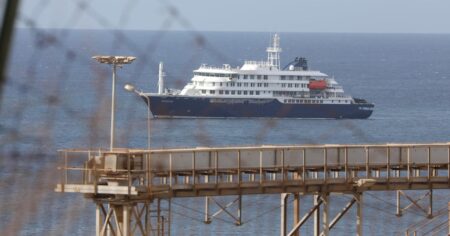
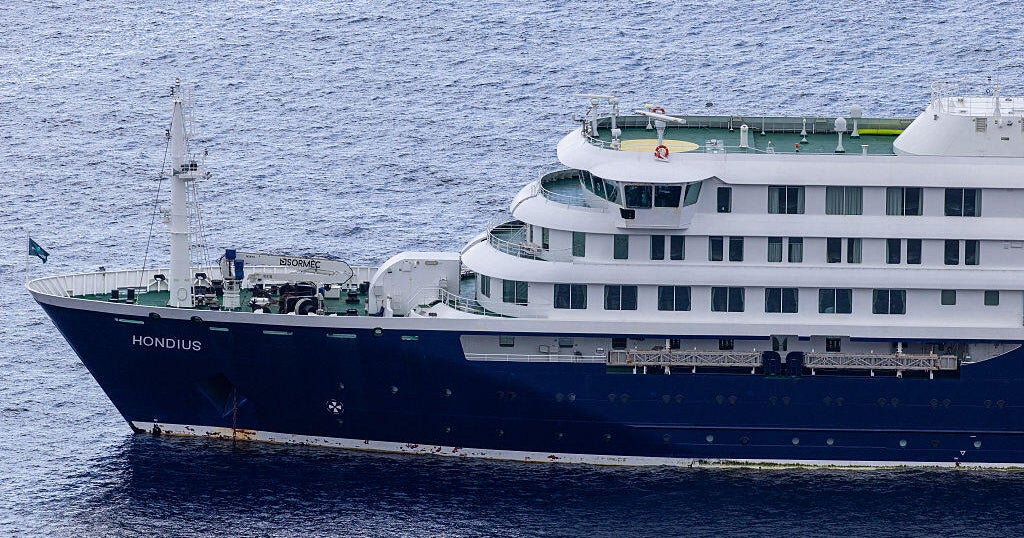
In a carefully orchestrated international rescue mission, the United States government is preparing to evacuate 17 American citizens from a cruise ship experiencing a deadly hantavirus outbreak. The MV Hondius, currently sailing from Cape Verde to Spain’s Canary Islands off Africa’s west coast, has become the center of global health concerns after several passengers contracted the rare and potentially fatal virus. The U.S. Centers for Disease Control and Prevention (CDC) and the Department of Health and Human Services are working alongside Spanish authorities to send a specialized repatriation plane to safely bring the Americans home. This unprecedented operation highlights the complex challenges of managing infectious disease outbreaks in the confined environment of a cruise ship, where passengers from multiple nations share close quarters for extended periods. The vessel is expected to reach the waters off Tenerife, the largest of the seven Canary Islands, early Sunday local time, where the delicate process of removing passengers without spreading the virus will begin.
The Careful Choreography of Safe Disembarkation
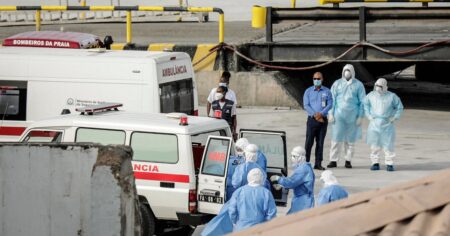
Spanish officials have developed an extraordinarily detailed plan for removing passengers from the Hondius while minimizing any risk to the local population or further spread of the virus among those on board. After Canary Islands officials refused to allow the ship to dock at port, authorities decided the vessel will anchor offshore instead. The disembarkation process, scheduled to take place between Sunday and Monday, will proceed country by country in a methodical fashion. Only passengers who have been confirmed as asymptomatic will be allowed to leave the ship, and they will depart in small groups of just five people at a time in smaller boats that will ferry them to shore. Once on land, these passengers will immediately board buses that will transport them directly to the airport runway, where planes from their respective countries will already be waiting with engines running, ready for immediate takeoff. Virginia Balcones, the secretary general of civil protection for Spain, emphasized the extensive precautions being taken, stating firmly, “All the areas they are going to travel through are going to be isolated. There will be no contact with civilian personnel.” This isolation protocol demonstrates the seriousness with which authorities are treating this outbreak and their determination to prevent any possibility of the virus spreading beyond the ship’s passengers.
Understanding the Outbreak and Its Origins
The situation aboard the Hondius has resulted in nine confirmed or suspected cases of hantavirus, including three tragic deaths—a Dutch couple and another woman who all died while still on the ship. Investigation into the outbreak’s origins has revealed that the Dutch couple had spent several months traveling extensively through South America, including Argentina, Uruguay, and Chile, where they engaged in bird-watching activities in areas known to harbor the Andes strain of hantavirus. This particular detail is significant because the Andes strain is the only type of hantavirus that can spread from person to person, making it far more concerning in the confined environment of a cruise ship than other strains that only transmit from rodents to humans. The World Health Organization has mobilized to provide comprehensive health checks for all 147 people currently on board the vessel. WHO technical officer Anais Legand explained on Friday that health officials are working to “assess what level of exposure” each person may have had to the confirmed cases, which will help them provide appropriate guidance on next steps for each passenger. Remarkably, despite the confirmed cases and deaths, none of the 147 people remaining on board was showing any symptoms of the disease as of Friday, according to both WHO and Spanish health officials.
Contingency Plans and Next Steps for the Vessel
Medical authorities are leaving nothing to chance as they prepare for various scenarios that might unfold during the evacuation. Medicalized planes equipped to handle patients with infectious diseases will remain on standby throughout the operation in case anyone develops symptoms during the disembarkation process or transport home. However, Balcones indicated that the working assumption is that standard aircraft will be sufficient for most passengers, given that those being evacuated have tested negative for symptoms. After all passengers have been safely removed and returned to their home countries, the Hondius, which sails under a Dutch flag, will continue its journey back to the Netherlands with only a skeleton crew aboard—the minimum number of personnel needed to safely operate the vessel. This reduced crew will presumably consist of essential maritime personnel who have tested negative for the virus and shown no symptoms. Meanwhile, more than a dozen countries, including the United States, are already actively monitoring individuals who disembarked from the ship before the hantavirus was confirmed among passengers. These former passengers are being tracked as a precautionary measure to ensure that if any of them develop symptoms, they can be quickly isolated and treated, preventing further spread.
Assessing the Global Risk and Public Health Implications
Despite the dramatic nature of this outbreak and the elaborate precautions being taken, health officials have been consistent in their message that the risk of hantavirus—even the person-to-person transmissible Andes strain—spreading globally in a manner similar to COVID-19 is extremely low. Spain’s Secretary of State for Health, Javier Padilla, reinforced this assessment during recent briefings, stating, “We have already been saying this, the existing situation is of very low risk for the general population.” This reassurance is important in an era when public anxiety about infectious disease outbreaks remains elevated following the COVID-19 pandemic. Unlike respiratory viruses that spread easily through the air, hantavirus transmission requires much closer contact and specific circumstances, making widespread community transmission unlikely. The confined environment of the cruise ship created unusual conditions that facilitated transmission among passengers, but this scenario is not easily replicated in normal community settings. Health authorities’ cautious approach reflects not panic about potential widespread outbreak, but rather responsible public health practice—taking every reasonable precaution to contain a known infectious agent while it’s still limited to a manageable number of people in a defined space.
Broader Lessons for Cruise Ship Safety and International Cooperation
This incident serves as a stark reminder of the unique challenges cruise ships present for infectious disease control and the critical importance of international cooperation in addressing health emergencies. The coordinated response involving multiple countries—including the United States, Spain, the Netherlands, Cape Verde, and numerous others whose citizens are aboard the vessel—demonstrates how global health threats require global solutions. The elaborate protocols being implemented for this evacuation will likely inform future responses to similar situations, providing a template for how to safely manage disease outbreaks on vessels in international waters. The cruise industry, already transformed by lessons learned from COVID-19, may need to further refine screening procedures for passengers who have recently traveled to regions with endemic diseases that could pose risks in the close quarters of a ship. For the 17 Americans and other passengers currently awaiting their careful removal from the Hondius, this experience has undoubtedly been frightening, especially witnessing deaths among fellow passengers. Yet the professional, methodical response from international health authorities offers hope that they will soon be safely home, carefully monitored to ensure they remain healthy while protecting their communities from any potential risk. As this situation continues to unfold, it reinforces that in our interconnected world, health security depends on robust systems for international coordination, rapid response capabilities, and the unglamorous but essential work of public health officials who plan for and manage exactly these types of complex emergencies.