



Deadly Confrontation Between Speedboat and Cuban Forces Leaves Four Dead
Violent Encounter in Cuban Waters Sparks International Concern
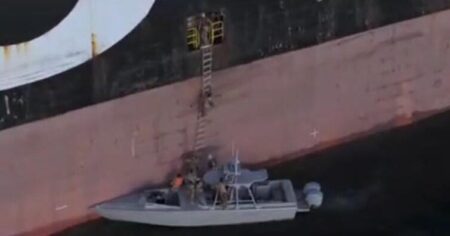
A tragic incident unfolded off the coast of Cuba on Wednesday morning when a confrontation between Cuban Border Guard troops and individuals aboard a U.S.-registered speedboat resulted in four deaths and six injuries. According to the Cuban Ministry of the Interior, the deadly exchange of gunfire occurred after the Florida-registered vessel was detected in Cuban territorial waters, approximately 1 nautical mile northeast of the El Pino channel near Cayo Falcones in Villa Clara province. When Cuban authorities approached the speedboat for routine identification procedures, those on board allegedly opened fire on the Cuban troops, injuring the commander of the Cuban vessel. In response to what Cuban officials characterized as an aggressive attack, a confrontation ensued that ultimately claimed four lives among those on the speedboat, while six others sustained injuries serious enough to require medical evacuation and treatment. The Cuban government released this information through their embassy in the United States, emphasizing their commitment to protecting their territorial waters and maintaining national sovereignty as a fundamental pillar of state security and regional stability.
U.S. Officials Express Caution While Seeking Information
American government officials responded to the incident with measured concern while acknowledging significant gaps in their understanding of what transpired. Vice President JD Vance addressed reporters during an unrelated press conference Wednesday afternoon, revealing that Secretary of State Marco Rubio had briefed him on the situation and that they were actively monitoring developments. However, Vance admitted candidly that details remained scarce at that point, saying they simply didn’t know enough to make definitive statements. He expressed hope that the situation might not be as serious as initial fears suggested but stressed the need for patience while more information was gathered. Meanwhile, Secretary of State Rubio, speaking from Saint Kitts, provided additional context about the administration’s response efforts. He explained that diplomats stationed at the U.S. embassy in Havana were working diligently to gain access to the individuals involved in the incident to determine whether they were American citizens or permanent residents—critical information that would shape the U.S. government’s response and obligations to those affected by the deadly confrontation.
Investigation Reveals Boat’s Registration and Ownership Details
As federal authorities began piecing together the circumstances surrounding the incident, important details about the vessel emerged through investigative efforts. Multiple law enforcement officials confirmed that the speedboat involved in the shooting was registered to a 65-year-old man who was born in Cuba but currently resides in Miami, Florida. This information added a layer of complexity to the situation, suggesting possible connections between the vessel’s ownership and the island nation where the tragic events unfolded. FBI agents quickly moved to interview the boat’s registered owner as part of their initial investigation. According to preliminary information obtained by officials, the owner reported that the speedboat had been stolen and he was not considered a suspect in whatever activities led to the confrontation with Cuban forces. Investigators learned that prior to its apparent theft, the boat had been docked at a marina in the Florida Keys, a region known for its proximity to Cuba and its historical significance in Cuban-American relations. The FBI’s Miami field office, which would naturally take the lead on such an investigation given the geographical and jurisdictional considerations, did not immediately respond to requests for comment from media outlets seeking additional information about their investigative activities and findings.
Florida Officials Launch Independent Investigation
The State of Florida moved swiftly to launch its own investigation into the deadly incident, with top state officials expressing both concern about what happened and skepticism toward information provided by Cuban authorities. Florida Attorney General James Uthmeier announced via social media platform X that he had directed the Office of Statewide Prosecution to collaborate with federal, state, and local law enforcement partners to conduct a thorough investigation into the circumstances surrounding the confrontation. In his statement, Uthmeier pointedly declared that “the Cuban government cannot be trusted,” reflecting the deep-seated tensions and mutual suspicion that have characterized relations between Florida, with its large Cuban-American population, and the Cuban government for decades. This stance underscored the political sensitivities surrounding any incident involving Cuban authorities and individuals with connections to Florida, where Cuban exile communities have maintained strong opposition to the Castro regime and its successors. The attorney general’s decision to pursue an independent investigation suggested that Florida officials were not content to rely solely on information provided through diplomatic channels or by Cuban authorities, instead seeking to establish facts through their own investigative resources and law enforcement capabilities.
Congressional Leaders Demand Answers and Characterize Incident
Members of Florida’s congressional delegation responded to news of the incident with strong statements demanding thorough investigations and expressing grave concern about what had transpired in Cuban waters. Representative Carlos Gimenez, whose district includes many Cuban Americans, went so far as to characterize the incident as a “massacre” in his official statement responding to the news. He emphasized the critical importance of U.S. authorities determining whether any of the victims were American citizens or legal residents, and called for a complete accounting of exactly what occurred during the fatal confrontation. His use of inflammatory language reflected the emotional and political weight such incidents carry within communities that have experienced decades of tension with the Cuban government. Senator Rick Scott echoed these concerns, calling for a “full investigation into this deeply concerning situation” to establish a clear understanding of the events that led to four deaths and multiple injuries. The senators’ statements highlighted the bipartisan concern among Florida’s political leadership about protecting the interests and safety of Floridians, particularly those with connections to Cuba, while also seeking accountability and transparency regarding the use of deadly force by Cuban military personnel against individuals aboard a vessel registered in their state.
Context and Broader Implications of the Deadly Encounter
Secretary of State Rubio provided important perspective on the rarity and significance of such violent confrontations in the region, noting that U.S. authorities were working to independently verify all information, including basic facts such as the boat’s Florida registration. He emphasized that the majority of information available to both the American public and the U.S. government was coming from Cuban authorities, making independent verification essential before drawing conclusions or formulating responses. Rubio acknowledged that “a number of things” could have happened to precipitate the deadly encounter but wisely refrained from speculation pending the gathering of more concrete evidence. Significantly, he observed that “it is highly unusual to see shootouts in open sea like that,” characterizing such incidents as exceedingly rare events that simply don’t occur regularly in those waters. Perhaps most tellingly, he noted that such a confrontation with Cuban forces “hasn’t happened in a very long time,” suggesting that this incident represented a significant departure from the normal patterns of interaction in the waters between Florida and Cuba. This assessment underscored the serious nature of the event and its potential implications for U.S.-Cuba relations, maritime security in the region, and the safety of vessels operating in waters near Cuban territorial boundaries. As investigations continue on multiple fronts, the international community awaits more definitive answers about what exactly transpired during those fatal moments off Cuba’s coast.