

Cuba Plunged Into Darkness Again: Understanding the Island’s Growing Energy Crisis
A Nation in Repeated Darkness
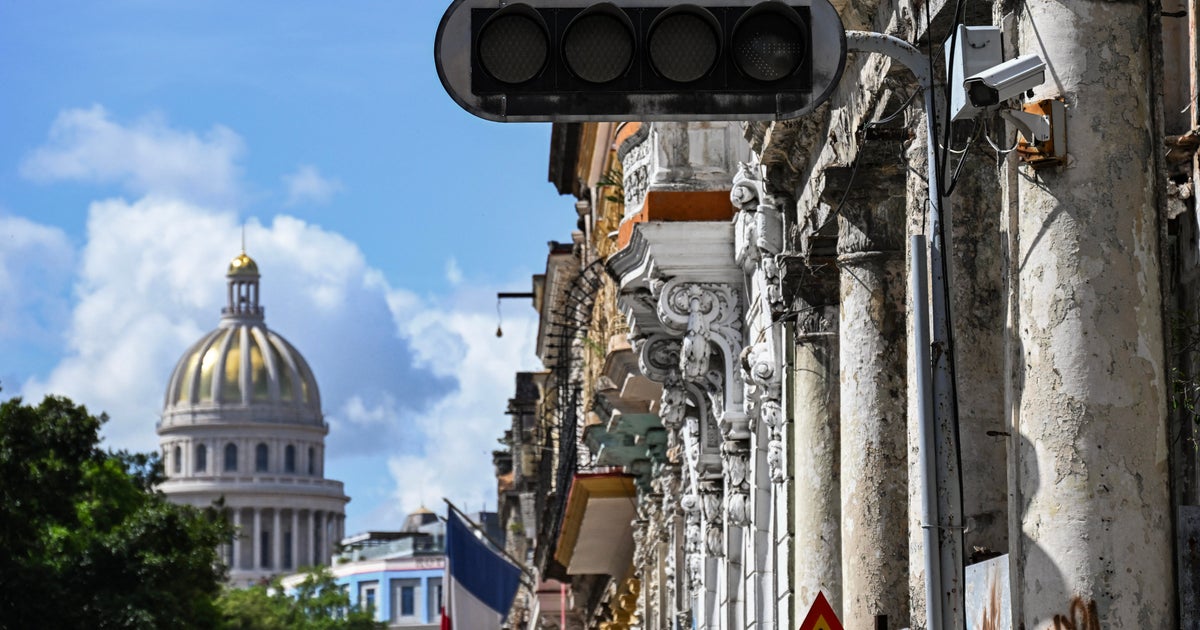
Cuba found itself plunged into darkness once again this past Saturday when the entire nation experienced its second complete power failure in less than a week. The Ministry of Energy and Mines confirmed through social media that the National Electric System had suffered another total disconnection, though they assured citizens that restoration protocols were already being put into action. This latest outage marks the fourth major blackout to hit the Caribbean island in just the past four months, creating an increasingly desperate situation for the approximately 11 million people who call Cuba home. The recurring nature of these blackouts has transformed what might have been seen as an isolated incident into clear evidence of a deepening crisis that’s affecting every aspect of daily life on the island.
The situation has become so dire that humanitarian organizations have begun stepping in to provide emergency assistance. By Friday, aid deliveries started arriving by air, bringing much-needed supplies including solar panels, food, and medicine to help the struggling population. These relief efforts highlight just how serious the situation has become, as Cuba—once a nation known for its resilience and self-sufficiency in certain areas—now finds itself dependent on international charity to meet basic needs. The solar panels in particular represent a recognition that Cuba’s traditional power infrastructure may not be reliable enough in the near term, and alternative energy sources need to be deployed quickly to prevent complete humanitarian disaster.
Voices of Frustration: Citizens Reach Their Breaking Point
The repeated blackouts haven’t just inconvenienced Cubans—they’ve pushed many to their limit. Reports from CBS Miami and other outlets indicate that protests have broken out across the island over the past week, as frustrated citizens express their anger over the prolonged power outages and steadily deteriorating living conditions. For ordinary Cubans, these blackouts mean more than just sitting in the dark. They mean food spoiling in refrigerators that no longer work, inability to access information or communicate with loved ones, businesses shutting down, and in some cases, life-threatening situations for those who depend on electricity for medical equipment or treatment. The protests represent a significant development in a country where public dissent has historically been risky and uncommon.
The frustration isn’t just about the immediate inconvenience of losing power. It reflects a deeper despair about the overall direction of the country. Living conditions across Cuba have been worsening for years, with shortages of basic goods, inflation eroding purchasing power, and now an unreliable electrical grid making daily life increasingly challenging. When people take to the streets despite potential consequences, it signals that the social contract between government and governed has been strained to near breaking. These demonstrations show that patience is wearing thin, and Cubans are demanding answers and solutions to problems that seem to be getting worse rather than better.
The Blame Game: Sanctions, Politics, and Energy
Cuban officials have been quick to point fingers at who they believe is responsible for their energy woes. As the crisis deepens, the government has blamed what it calls a U.S. energy blockade, particularly after President Trump issued warnings in January about potential tariffs on any country that sells or provides oil to Cuba. This accusation touches on decades of complicated history between the United States and Cuba, including long-standing trade embargoes and economic sanctions that have shaped Cuba’s economy and its relationships with other nations. Whether these sanctions are primarily responsible for the current crisis or are being used as a convenient scapegoat is a matter of intense debate, depending on one’s political perspective.
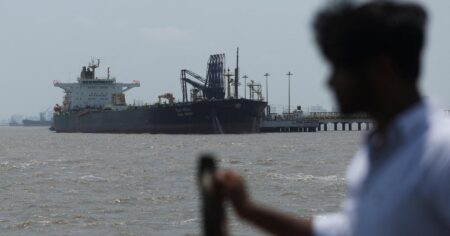
What’s undeniable is that Cuba has become heavily dependent on foreign assistance and oil shipments from a handful of allied nations, particularly Mexico, Russia, and Venezuela. This dependence makes the island nation vulnerable to international political shifts and the changing fortunes of its benefactors. The situation became dramatically worse when critical oil shipments from Venezuela—one of Cuba’s most important suppliers—were halted following U.S. actions in early January. The U.S. intervention in Venezuela, which resulted in the arrest of then-president Nicolás Maduro, had immediate ripple effects across the region, and Cuba felt the impact particularly hard. Without these Venezuelan oil shipments, Cuba’s already struggling power plants have found it even more difficult to keep the lights on, creating the cascading failures we’re seeing today.
Trump’s Bold Claims and Cuba’s Defiant Response
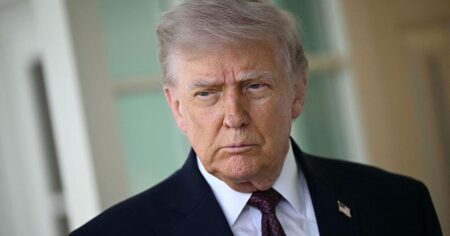
President Trump hasn’t been shy about discussing Cuba’s troubles, and his comments have ranged from predictive to provocative. For months, he’s suggested that Cuba’s government is teetering on the edge of collapse, and he’s indicated that Cuban leaders would be wise to learn from what happened to Venezuela’s Maduro—essentially warning them that they could face a similar fate. After this week’s grid collapse, Trump told reporters that he believed he would soon have “the honor of taking Cuba.” His elaboration on this statement was even more striking: “Taking Cuba in some form…whether I free it, take it, I think I can do anything I want with it, if you want to know the truth. They’re a very weakened nation right now.”
These statements represent either confidence in imminent political change or a remarkably bold assertion of intention to intervene in Cuban affairs, depending on how one interprets them. The language of “taking” a sovereign nation is unusual in modern diplomatic discourse, even from Trump, who is known for his unconventional approach to international relations. His comments suggest that the U.S. administration sees Cuba’s current crisis as an opportunity, though what form any American involvement might take remains unclear. Whether Trump is speaking literally about some kind of intervention or more metaphorically about hoping for regime change is left ambiguous, but the message is clear: the U.S. believes Cuba’s current government is vulnerable.
Cuban President Miguel Díaz-Canel Bermúdez responded to these provocations with defiance. In a post on social media, he wrote: “In the face of the worst scenario, Cuba is accompanied by a certainty: any external aggressor will clash with an impregnable resistance.” This response invokes Cuba’s long history of resistance to what it perceives as U.S. imperialism and interference. It’s a message meant to rally Cubans around the flag during a difficult time, reminding them of national pride and independence even as they sit in darkness. The exchange between Trump and Díaz-Canel sets up a tense standoff where neither side appears willing to back down, with the Cuban people caught in the middle of this geopolitical chess match.
What This Means for Cuba’s Future
The current situation in Cuba represents a convergence of multiple crises—energy, economic, political, and humanitarian—all feeding into each other and creating a downward spiral that will be difficult to escape. The immediate challenge is restoring reliable electricity to the population, but the underlying problems run much deeper. Cuba’s electrical infrastructure is aging and has been poorly maintained for years due to lack of investment and resources. Quick fixes like the donated solar panels can help in the short term, but they don’t address the fundamental issue that the country’s power generation and distribution system needs comprehensive overhaul, which requires resources that Cuba currently doesn’t have.
The international dimension adds another layer of complexity. If Cuba continues to face obstacles in obtaining oil from traditional suppliers, whether due to U.S. pressure or those countries’ own problems, the energy crisis will persist regardless of infrastructure improvements. The island needs either to find new energy partners, develop domestic energy resources, or dramatically shift toward renewable energy—all options that require time, money, and political will. Meanwhile, the humanitarian situation continues to deteriorate, and the patience of the Cuban people grows thinner with each blackout. How this crisis resolves—whether through internal political change, external intervention, negotiated settlement, or some other path—remains to be seen. What’s certain is that Cuba stands at a crossroads, and the decisions made in the coming weeks and months will shape the nation’s trajectory for years to come. For the millions of Cubans living through these dark times, literally and figuratively, the hope is that light will return soon, both to their homes and to their country’s future.