

Federal Lawsuit Against New York Times Raises Questions About Employment Discrimination
EEOC Takes Action Against Major Media Outlet
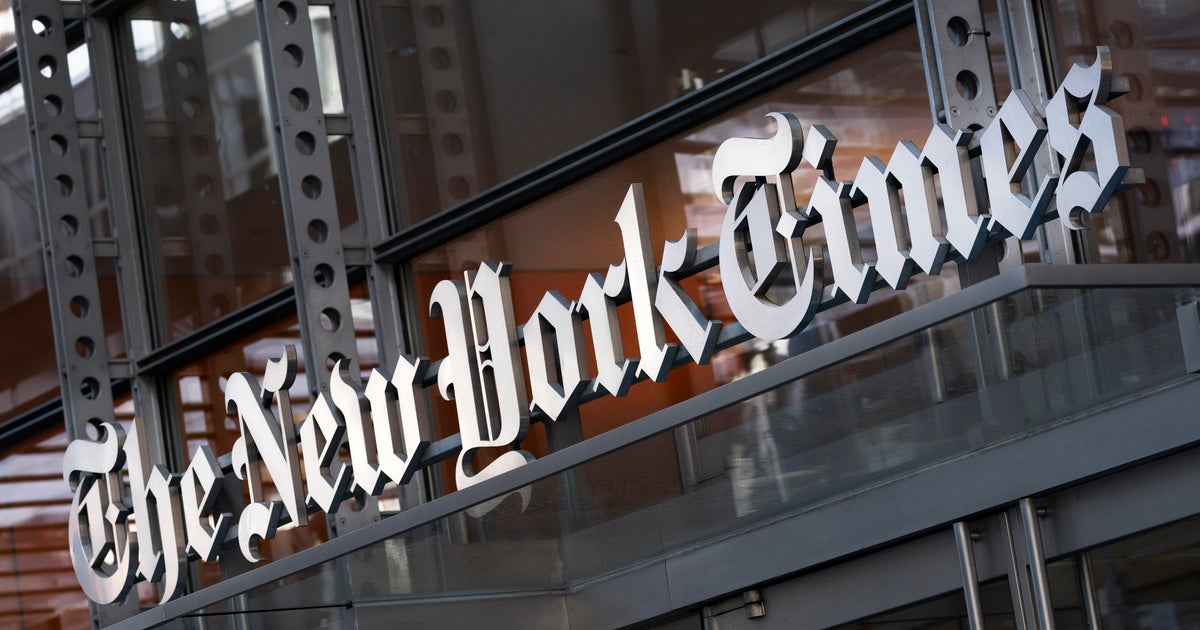
The Equal Employment Opportunity Commission made headlines this week when it announced legal action against one of America’s most prestigious news organizations, the New York Times. The federal agency filed a lawsuit on Tuesday claiming that the media giant violated longstanding civil rights protections by allegedly discriminating against a white male employee during a promotion process. The case centers on accusations that the Times failed to properly consider this worker for an editorial position, specifically because of his race and gender. According to the EEOC’s complaint, this behavior represents a clear violation of Title VII of the Civil Rights Act of 1964, the landmark legislation that established fundamental protections against workplace discrimination based on race, color, religion, sex, or national origin. The commission’s leadership made strong statements emphasizing that anti-discrimination laws apply universally, regardless of an organization’s prestige or reputation. EEOC Chair Andrea Lucas was particularly forceful in her comments, stating that “no one is above the law — including ‘elite’ institutions.” She further emphasized that there’s no such concept as “reverse discrimination” in legal terms, explaining that all forms of discrimination based on race or sex are equally prohibited under established civil rights principles. Lucas made clear the agency’s position that federal law contains no exceptions for diversity initiatives when it comes to making employment decisions motivated by race or gender considerations.
The Details of the Discrimination Claim
The substance of the EEOC’s lawsuit involves specific allegations about how the Times handled an internal promotion opportunity. According to the commission’s filing, the employee at the center of this case was a longtime editor at the newspaper with substantial expertise and experience covering the real estate sector. When an editorial position opened up within the real estate coverage area last year, this experienced editor expected to be considered as a serious candidate for advancement. However, the EEOC alleges that he wasn’t even selected as a finalist for the role, despite his relevant background and institutional knowledge. The situation became more contentious when the position was ultimately filled by someone from outside the organization rather than promoting from within. The agency’s complaint describes the person who was hired as a white female candidate who possessed “little to no experience in real estate journalism,” even though such specialized experience was supposedly a requirement for the real estate editor position according to the job description. This discrepancy between the stated qualifications and the actual hiring decision forms a crucial part of the EEOC’s argument that the Times made its decision based on factors other than merit and professional qualifications. The commission’s case essentially argues that a less experienced external candidate was selected over a more experienced internal candidate, and that this decision was improperly influenced by considerations of race and gender rather than being based purely on professional credentials and capabilities.
The New York Times Responds to Allegations
The New York Times wasted no time in rejecting the EEOC’s allegations and framing the lawsuit in explicitly political terms. Danielle Rhoades Ha, who serves as the senior vice president of communications for the Times, issued a strongly worded statement categorically denying the charges. Her response characterized the lawsuit as “politically motivated allegations brought by the Trump administration’s EEOC,” directly connecting the legal action to the current political climate and administration. This framing suggests the Times views the lawsuit not as a legitimate legal complaint but rather as part of a broader political agenda targeting diversity and inclusion efforts in corporate America. Rhoades Ha firmly defended the newspaper’s employment practices, stating that they “are merit-based and focused on recruiting and promoting the best talent in the world.” She made clear that the organization has no intention of settling or backing down, promising that “we will defend ourselves vigorously” against what they perceive as unfounded accusations. The Times’ response strategy appears designed to shift public perception of the case from a straightforward employment discrimination matter to a politically charged attack on progressive workplace policies. By emphasizing the “Trump administration” connection in their statement, the communications team is clearly attempting to rally support among the newspaper’s readership, many of whom may be skeptical of actions taken by agencies under the current administration’s direction.
Broader Context: The War on DEI Initiatives
This lawsuit against the New York Times doesn’t exist in isolation but rather represents one battle in a much larger campaign that the Trump administration has undertaken against diversity, equity, and inclusion programs throughout American society. Since taking office, this administration has made dismantling DEI initiatives a priority across both government agencies and private sector companies. The EEOC’s action against the Times follows this established pattern and appears to be part of a coordinated effort to challenge what the administration views as discriminatory practices that have emerged from corporate diversity programs. Earlier this year, the commission announced it was investigating Nike, the sports apparel and equipment manufacturing giant, over similar allegations involving discrimination against white workers. That investigation encompasses multiple aspects of employment, including hiring decisions, promotion opportunities, workplace development programs, and even layoff selections. These high-profile cases against nationally recognized brands like the New York Times and Nike send a clear message that no company is too large or too prominent to face scrutiny over its employment practices. The administration’s approach represents a fundamental challenge to the diversity and inclusion frameworks that many major corporations have implemented over the past decade, particularly following the social justice movements of 2020. Critics of these DEI programs argue they can lead to discriminatory practices against certain groups in the name of achieving diversity goals, while supporters maintain they’re necessary to address historical inequities and create truly inclusive workplaces.
Legal and Ethical Implications for Employers
This case raises important questions for employers across all industries about how to navigate the complex terrain of anti-discrimination law while also pursuing diversity objectives. The fundamental legal principle at stake is straightforward: Title VII prohibits employment decisions based on race, color, religion, sex, or national origin, and these protections apply to everyone regardless of their demographic background. As Chair Lucas emphasized, there’s no “diversity exception” written into civil rights law that would permit considering race or gender in employment decisions when doing so advances diversity goals. However, the practical application of this principle becomes complicated when organizations are simultaneously facing pressure from investors, customers, and employees to demonstrate commitment to diversity and representation. Many companies have established numerical diversity targets and implemented programs designed to increase representation of underrepresented groups in their workforce and leadership. The legal question that cases like this one force into the spotlight is whether such programs can be structured in ways that advance diversity goals without violating the anti-discrimination protections that apply to all employees. Employment attorneys are watching this case closely because its outcome could significantly impact how companies approach diversity recruitment and promotion. If the EEOC prevails, it could create a chilling effect on diversity initiatives, with companies becoming more cautious about programs that consider demographic factors in any way. Organizations may need to reevaluate their policies to ensure they’re focusing on removing barriers to opportunity rather than setting goals based on demographic outcomes.
What This Means for the Future of Workplace Diversity
The lawsuit against the New York Times represents a pivotal moment in the ongoing debate about how American workplaces should address issues of diversity, representation, and equal opportunity. The outcome of this case could have far-reaching implications that extend well beyond one editorial position at a single newspaper. If the EEOC succeeds in proving that the Times made a promotion decision based on race or gender rather than qualifications, it could embolden challenges to diversity programs across corporate America and potentially lead to a fundamental rethinking of how organizations pursue inclusion goals. Companies may find themselves caught between competing legal risks: on one hand, facing potential discrimination claims from members of traditionally underrepresented groups who can point to statistical disparities in hiring and promotion, and on the other hand, facing claims from employees who believe they were passed over because of diversity initiatives. This case also highlights the intensely polarized political environment surrounding these issues, with the Times’ immediate response linking the lawsuit to the Trump administration rather than addressing the specific factual allegations. This politicization makes it more difficult to have productive conversations about the legitimate questions at the heart of the case: how should organizations balance their diversity goals with the requirement to make employment decisions based on individual merit and qualifications? As this lawsuit proceeds through the legal system, it will likely generate significant attention and debate, serving as a test case for the limits of permissible diversity initiatives under federal civil rights law. Regardless of the outcome, the case underscores the need for organizations to carefully examine their employment practices to ensure they’re creating opportunities for all qualified candidates while complying with anti-discrimination laws that protect every employee equally.