

Ohio Senate Race 2026: Brown vs. Husted Showdown Takes Shape
A Rematch in the Making After Brown’s Primary Victory
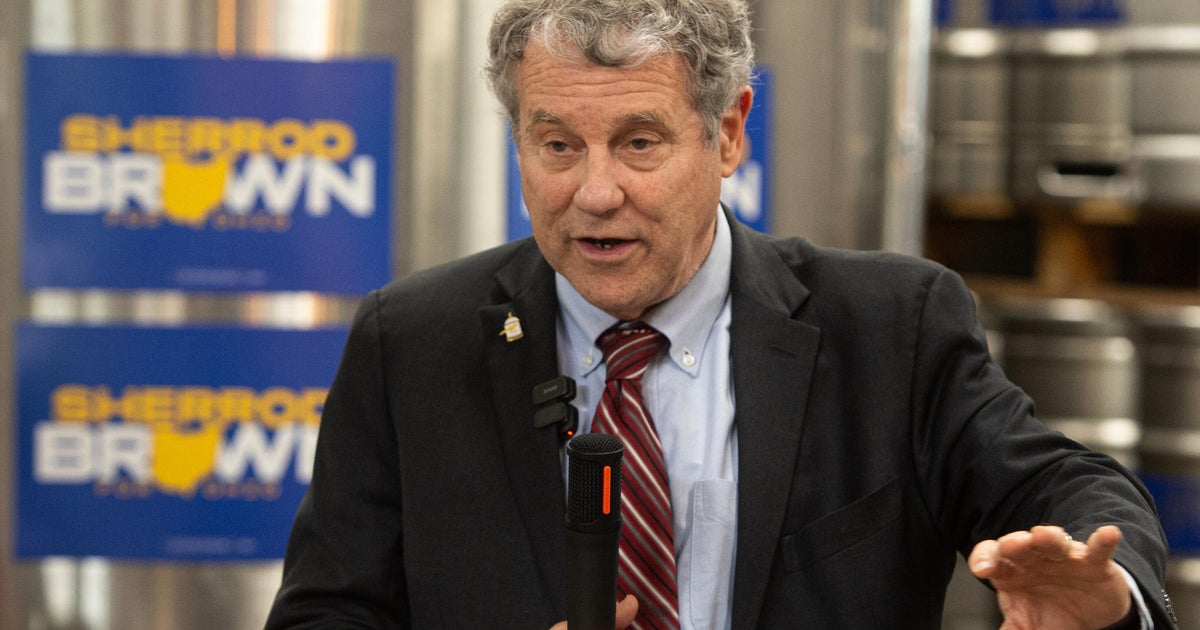
The stage is now set for what promises to be one of the most closely watched and expensive Senate races of the 2026 midterm election cycle. Former Senator Sherrod Brown has secured the Democratic nomination after winning his party’s primary on Tuesday night, setting up a November showdown with Republican Senator Jon Husted, who ran unopposed in his primary. This race carries enormous implications not just for Ohio, but for control of the entire U.S. Senate, as Democrats search desperately for opportunities to flip seats in their challenging quest to regain the majority. Brown, a familiar face in Ohio politics who served three terms in the Senate before losing his 2024 reelection bid, is attempting a political comeback that few politicians manage to pull off successfully. Meanwhile, Husted will be defending his seat in his first competitive election since being appointed to fill Vice President JD Vance’s vacancy last year.
Brown’s Political Resurrection and the Democrats’ Narrow Path
Sherrod Brown’s return to the political arena represents both a test of his enduring popularity in Ohio and the Democratic Party’s limited options for reclaiming Senate control. Brown lost his 2024 reelection campaign to Republican Bernie Moreno by less than four percentage points—a relatively narrow margin considering that President Trump carried the state by more than ten points in the same election. This performance gap between Brown and the top of the ticket demonstrated his ability to appeal to voters who don’t typically support Democrats, a crucial skill in an increasingly red-leaning Ohio. Democrats are banking on several factors working in Brown’s favor this time around: the traditional midterm boost for the party out of power in the White House, Brown’s strong name recognition after years of service, and his carefully cultivated working-class brand that resonates with Ohio’s blue-collar voters. His campaign messaging has historically focused on protecting American manufacturing jobs, fighting for fair trade policies, and standing up for working families—themes that play particularly well in Ohio’s industrial communities that have been hit hard by economic transformation over recent decades.
Husted’s Challenge: Defending Territory in His First Real Test
Senator Jon Husted enters this race from a position of incumbency but without the benefit of having won a statewide Senate race before. His appointment to fill JD Vance’s seat after Vance became Vice President gave him the advantages of office—the platform, the title, and the presumption of continuity—but not the political validation that comes from winning a competitive election. Husted brings substantial political experience to the table, having previously served as Ohio’s lieutenant governor and secretary of state after spending a decade in the state legislature. This resume demonstrates his ability to win statewide elections and navigate Ohio’s political landscape, though none of these previous positions carried quite the same weight or scrutiny as a U.S. Senate seat. His campaign will likely emphasize his experience in state government, his alignment with the Trump administration’s policies, and his argument that Ohio needs a senator who will support the president’s agenda rather than obstruct it. Husted faces the challenge of energizing the Republican base while also appealing to the moderate and independent voters who have sometimes split their tickets to support Brown in the past.
The Money Race: Record-Breaking Spending Already Underway
If there’s one certainty about this Senate race, it’s that both sides will spend astronomical sums trying to win it. Ohio’s 2024 Senate race held the dubious distinction of being the most expensive of that cycle, and the 2026 contest is already on track to shatter those records. The financial arms race is well underway, with outside groups and the candidates themselves preparing to flood Ohio’s airwaves with advertisements. The Senate Leadership Fund, a Republican super PAC, announced its largest advertising reservation to date last month—a staggering $79 million commitment to supporting Husted. Not to be outdone, the Democratic Senate Majority PAC countered with a $40 million investment in ad reservations. These massive expenditures from outside groups will supplement what the candidates themselves can raise and spend. According to Federal Election Commission filings, Brown significantly outpaced Husted in first-quarter fundraising, bringing in $10.1 million compared to Husted’s $2.9 million. Heading into the primary, Brown held $17 million in cash on hand while Husted had $8.1 million available. Brown’s fundraising advantage reflects both his national profile among Democratic donors and the party’s recognition that this race represents one of their best opportunities to flip a seat. However, money alone doesn’t guarantee victory, especially in a state where the fundamental political terrain has shifted increasingly toward Republicans in recent election cycles.
The Broader Battle for Senate Control
This individual race between Brown and Husted cannot be understood in isolation—it’s one critical piece in the larger puzzle of Senate control. Democrats face a genuinely difficult path to achieving a majority in the Senate, needing to flip a net total of four seats while defending several of their own vulnerable incumbents. The math is daunting because while Republicans are technically defending more seats in these midterms, many of those seats are in states that President Trump won comfortably in 2024, making them difficult targets for Democrats. Ohio represents one of the few realistic pickup opportunities for Democrats, alongside a handful of other competitive states where they see potential openings. The party also faces the challenge of defending some open seats where incumbents have retired, which are typically more difficult to hold than seats with sitting senators running for reelection. However, Democrats have reason for cautious optimism as recent weeks have brought developments that could shift the political environment in their favor. The unpopular conflict with Iran has generated criticism of the administration’s foreign policy, while persistent affordability issues—high costs for housing, groceries, and other essentials—continue to frustrate voters and create vulnerability for the party in power. Midterm elections historically favor the party that doesn’t control the White House, as voters often use these elections to express dissatisfaction with the direction of the country or to check the power of the president’s party.
Ohio’s Changing Political Landscape and What It Means
The Ohio Senate race also serves as a barometer for the state’s ongoing political transformation and what it might signal about American politics more broadly. Ohio, once considered the quintessential swing state and bellwether for national elections, has trended increasingly Republican in recent cycles, leading some political analysts to question whether it still deserves its battleground status. The state’s rural areas and small towns have moved sharply toward the GOP, while Democrats have struggled to run up sufficient margins in urban areas like Cleveland, Columbus, and Cincinnati to offset those losses. Brown’s previous success in this environment—winning three consecutive Senate terms even as the state became redder—was built on his ability to connect with working-class voters across racial and geographic lines, maintaining support in counties that were simultaneously voting for Republican presidential candidates. His 2026 campaign will test whether that personal brand and connection with voters can overcome an increasingly hostile political environment for Democrats. For Republicans, holding this seat is about more than just the math of Senate control—it’s about cementing Ohio’s transformation into a reliably red state and preventing Democrats from finding a formula for success that could be replicated elsewhere. The outcome in Ohio this November will likely reverberate far beyond the state’s borders, influencing how both parties think about their messaging, candidate selection, and resource allocation in future elections across the industrial Midwest and similar communities nationwide where economic anxiety and cultural concerns intersect with partisan politics.