
ESPN’s Herm Edwards Breaks Down Seattle’s Second Super Bowl Victory
A Historic Championship Win
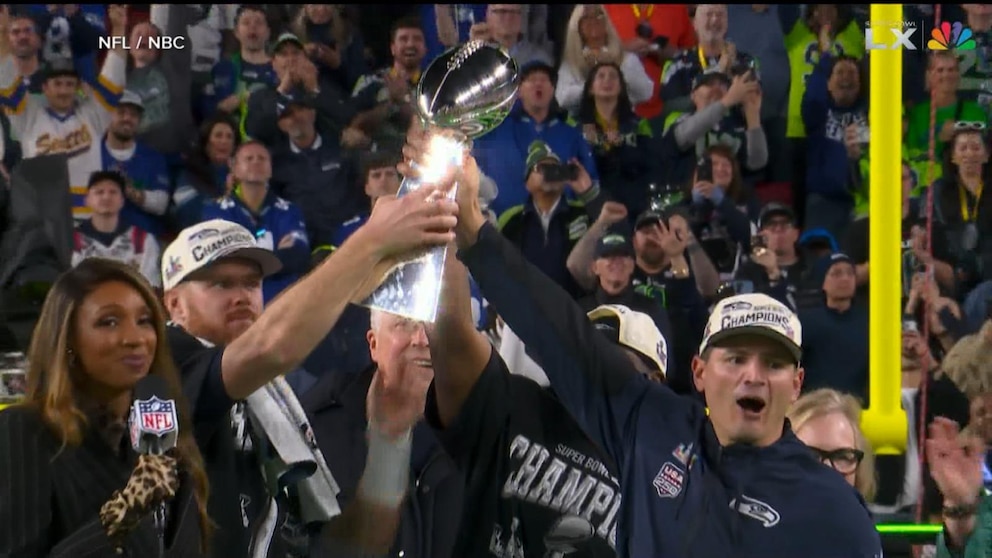
When ESPN’s legendary analyst Herm Edwards sat down to break down Seattle’s second Super Bowl victory, football fans everywhere knew they were in for an expert analysis that would capture both the technical brilliance and emotional significance of this historic achievement. Edwards, known for his passionate commentary and deep understanding of the game, provided insights that went far beyond the final score, diving into what made this championship run so special for the Seattle franchise and its devoted fanbase. This wasn’t just another trophy for the display case; it represented the culmination of years of strategic planning, player development, and organizational commitment to excellence. For a city that had waited decades to celebrate its first championship, and then worked tirelessly to prove it wasn’t a fluke, this second Super Bowl victory meant everything. Edwards understood this context better than most, having experienced the highs and lows of professional football from multiple perspectives throughout his distinguished career as both a player and coach.
The Road to Championship Glory
Edwards emphasized throughout his analysis that Seattle’s journey to their second Super Bowl title wasn’t simply about talent on the field, though they certainly had plenty of that. Instead, he highlighted how the organization built a culture of winning that permeated every level of the franchise. From the front office’s shrewd draft picks and free agency moves to the coaching staff’s ability to adapt their game plans week after week, Seattle demonstrated a level of organizational excellence that separated them from the competition. The regular season had its challenges, as Edwards pointed out, with key injuries testing the team’s depth and resolve. However, these obstacles only seemed to strengthen the team’s determination and unity. Edwards particularly praised the coaching staff’s ability to keep players focused on the ultimate goal while navigating the inevitable ups and downs of a grueling NFL season. The playoff run showcased a team hitting its stride at precisely the right moment, with both veteran leadership and young talent stepping up in crucial situations. Edwards noted that championship teams always seem to find another gear when the stakes are highest, and Seattle exemplified this quality throughout their postseason performance.
Defensive Dominance and Strategic Mastery
One of the key aspects Edwards focused on was Seattle’s defensive performance, which he described as nothing short of spectacular. The defense had been the backbone of the franchise for several years, and in this Super Bowl run, they elevated their game to an even higher level. Edwards broke down how the defensive coordinator’s schemes confused opposing offenses, creating turnovers and putting Seattle’s offense in advantageous field positions time and time again. The secondary, which had become known as one of the most formidable units in NFL history, played with exceptional discipline and awareness. Edwards praised their ability to disguise coverages, communicate on the fly, and make game-changing plays when their team needed them most. The pass rush was equally impressive, as Edwards noted, with defensive linemen and linebackers working in perfect harmony to pressure quarterbacks and shut down running lanes. But what really stood out to Edwards was the defense’s mental toughness and resilience. Even when opponents managed to move the ball or score points, Seattle’s defense never panicked or lost faith in their system. They trusted their preparation, executed their assignments, and played with the kind of confidence that can only come from years of working together and believing in each other.
Offensive Evolution and Quarterback Leadership
While defense may have been Seattle’s calling card, Edwards made sure to give proper credit to the offensive unit that came through when it mattered most. He discussed how the offense had evolved over the course of the season, becoming more balanced and unpredictable as they approached the playoffs. The quarterback play, in particular, received high praise from Edwards, who recognized the growth and maturity displayed by Seattle’s signal-caller throughout the championship run. Edwards analyzed how the quarterback made crucial reads under pressure, extended plays with his mobility when protection broke down, and showed the poise of a seasoned veteran in the biggest moments. The running game provided the perfect complement, with Seattle’s backfield committee wearing down defenses and controlling the clock when needed. Edwards highlighted several key offensive line adjustments that proved crucial in both pass protection and run blocking, noting that championships are often won in the trenches, and Seattle’s big men up front deserved significant recognition for their performance. The receiving corps, meanwhile, made clutch catches throughout the playoffs, with Edwards pointing out how different players stepped up at different times, showcasing the depth and versatility that made Seattle’s offense so difficult to defend.
Special Teams Excellence and Game-Changing Moments
Edwards didn’t overlook the often-underappreciated aspect of special teams play, which he argued was absolutely critical to Seattle’s Super Bowl success. He broke down several key moments throughout the season and playoffs where special teams units made the difference between winning and losing. Whether it was consistent field goal kicking in pressure situations, outstanding punt coverage that pinned opponents deep in their own territory, or explosive kick returns that shifted field position and momentum, Seattle’s special teams consistently gave their team an edge. Edwards particularly emphasized how coaching attention to detail in this phase of the game reflected the organization’s commitment to excellence in every aspect of football. He shared insights about how championship teams never take special teams for granted, understanding that one blocked kick, one muffed punt, or one blown coverage assignment can derail an entire season. Seattle’s special teams coordinator deserved credit, according to Edwards, for preparing units that were fundamentally sound, mentally tough, and always ready to make a play. The dedication to special teams excellence, he argued, was just another example of how Seattle’s comprehensive approach to team building had created a championship-caliber organization.
Legacy, Leadership, and Looking Forward
In concluding his analysis, Edwards reflected on what this second Super Bowl victory meant for Seattle’s legacy and the broader NFL landscape. He discussed how winning multiple championships elevates a team from good to great, from a one-time success story to a genuine dynasty. Edwards praised the leadership throughout the organization, from ownership’s willingness to invest in winning to the coaching staff’s ability to maintain high standards and accountability, to the veteran players who set the tone in the locker room and demanded excellence from their teammates. He noted that sustaining success in the NFL is incredibly difficult, with salary cap constraints, player movement, and the competitive balance of the league making it challenging for any team to remain at the top for extended periods. Yet Seattle had managed to do exactly that, proving their first championship wasn’t a fluke and establishing themselves among the elite franchises in professional football. Edwards also looked ahead, discussing the challenges Seattle would face in maintaining their championship window while also expressing confidence that the culture they had built would keep them competitive for years to come. For the fans who had supported the team through lean years and celebrated two championships, Edwards acknowledged that these were moments to savor and memories that would last a lifetime. His breakdown wasn’t just about X’s and O’s, schemes and strategies; it was about recognizing the human elements of teamwork, perseverance, leadership, and the pure joy of achieving something special together. That, Edwards concluded, is what makes football such a beautiful game and what makes championship victories so meaningful for everyone involved.