

FCC Chair’s License Revocation Threats Spark Free Press Concerns
A Controversial Warning to Broadcast Networks
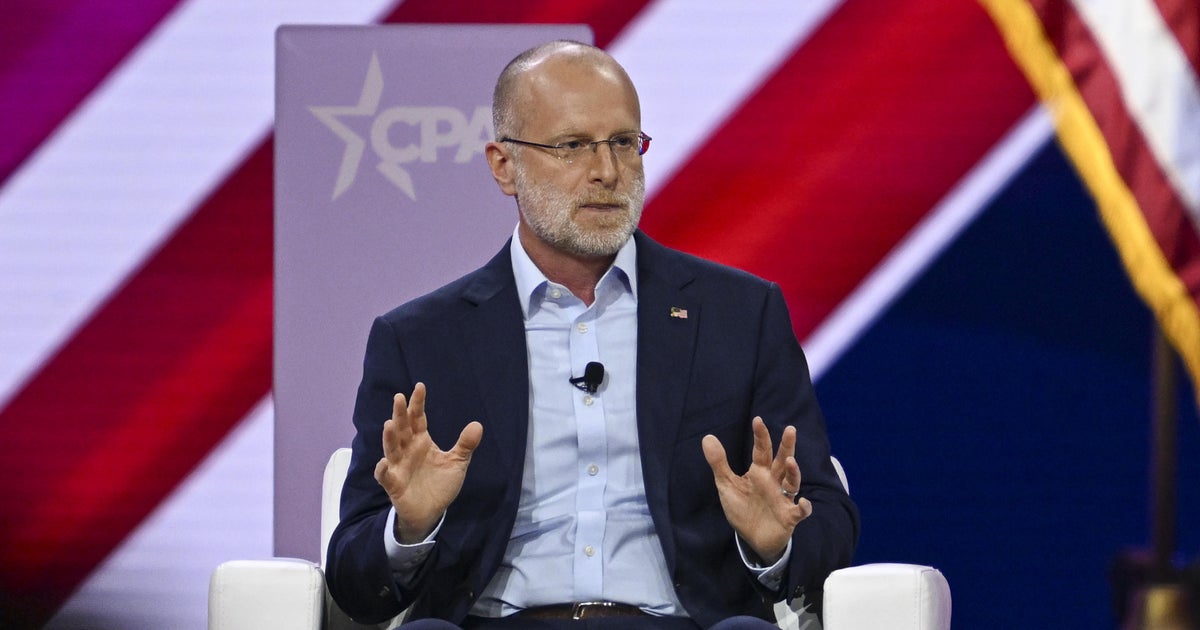
The Federal Communications Commission found itself at the center of a heated controversy when its Chair, Brendan Carr, issued public warnings about potentially revoking broadcast licenses from news organizations. Speaking through social media on a Saturday, Carr’s statements came amid ongoing tensions between the Trump administration and mainstream media outlets regarding their coverage of the U.S.-Israeli military operations in Iran. His message was direct and unambiguous: news organizations that spread what he characterized as “hoaxes and news distortions” – terminology he equated with “fake news” – should prepare to face consequences when their broadcasting licenses come up for renewal. Carr emphasized that federal law requires broadcasters to operate in the public interest, warning that failure to meet this standard could result in the loss of their operating licenses. What made these statements particularly concerning to media watchdogs and free press advocates was their timing and context, appearing to align closely with President Trump’s own criticisms of media coverage. The FCC chair’s warning, while not naming specific networks or citing particular stories he considered inaccurate, seemed to echo the administration’s broader narrative about media bias and misinformation.
Presidential Criticism and Media Tensions
President Trump’s relationship with mainstream media has long been contentious, and recent events have only intensified these conflicts. The president took to Truth Social to dispute media reporting about an Iranian strike on U.S. military assets, specifically addressing coverage of damage to American tanker aircraft stationed in Saudi Arabia. According to Trump’s account, four of the five affected aircraft sustained minimal damage and had already returned to service, contradicting what he characterized as sensationalized media headlines suggesting the aircraft were destroyed or severely damaged. This incident represents just one example in a pattern of disputes between the administration and news organizations over factual reporting. The president has repeatedly accused major networks of deliberately spreading false information about the Iranian conflict, part of a broader campaign he has waged against what he terms “fake news” throughout his political career. In September 2025, Trump went so far as to suggest that networks providing negative coverage of his administration should “maybe” lose their broadcasting licenses, explicitly stating that such decisions would ultimately rest with Brendan Carr, whom he had appointed to lead the FCC earlier that year. This public delegation of authority to pursue punitive action against media outlets raised immediate concerns among journalists, civil liberties organizations, and media law experts about the potential for government overreach and suppression of press freedom.
The Jimmy Kimmel Controversy and Its Fallout
The situation escalated dramatically when Chair Carr turned his attention to entertainment programming, specifically targeting late-night host Jimmy Kimmel. After Carr appeared on right-wing podcaster Benny Johnson’s show and described comments made by Kimmel regarding the suspect in Charlie Kirk’s assassination as “a very, very serious issue right now for Disney,” the network took swift action. Within hours, “Jimmy Kimmel Live!” was abruptly pulled from the airwaves in mid-September, a decision that immediately sparked intense debate about censorship and government influence over broadcast content. President Trump publicly praised ABC, the network that airs Kimmel’s program, for removing the show, which remained off the air for nearly a week before eventually resuming. This incident revealed the real-world consequences of the FCC chair’s public statements and raised questions about whether networks were making programming decisions based on regulatory fears rather than editorial judgment. Interestingly, the episode proved controversial even among conservatives who generally support Trump’s media criticism. Texas Republican Senator Ted Cruz publicly stated that Carr had overstepped his authority in this instance, suggesting that even within the president’s political coalition, there were concerns about the appropriateness of using regulatory power to influence content decisions. However, President Trump stood firmly behind his FCC appointee, telling reporters that “Brendan Carr is doing a great job,” effectively endorsing the chair’s aggressive approach toward media outlets.
The Legal and Regulatory Framework
Understanding the full implications of these threats requires examining how broadcast licensing actually works in the United States. The FCC, which operates as an independent federal agency, has the authority to issue broadcasting licenses that remain valid for eight years before requiring renewal. However, these licenses are granted to individual broadcast stations rather than to the major television networks themselves. Networks like CBS, NBC, ABC, and Fox don’t hold FCC licenses as corporate entities; instead, the hundreds of local stations they own and operate across the country each hold separate licenses. This distinction is important because it means the FCC couldn’t simply “revoke the license” of a network with a single action – it would need to target individual stations. The agency’s own website explicitly states that “the First Amendment and the Communications Act expressly prohibit the Commission from censoring broadcast matter,” and acknowledges that its role in overseeing broadcast content “is very limited.” These restrictions exist because of fundamental constitutional protections for freedom of speech and press. Historically, the FCC has maintained a careful distance from content-based regulation of news programming, focusing instead on technical standards, ownership rules, and ensuring stations meet basic public interest obligations like emergency broadcasting and local programming. The agency has traditionally exerted minimal influence over what networks choose to air, particularly regarding news content, precisely because of First Amendment concerns that government regulation of news media could constitute censorship.
Historical Context and Precedent
President Trump’s threats to revoke network licenses aren’t entirely new in his repertoire of media criticism. In August, several months before the current controversy, he claimed that NBC and ABC provided him with “97% BAD STORIES” and declared he would be “totally in favor” of revoking their FCC licenses. These statements represent a continuation of his long-standing antagonism toward mainstream media organizations, which dates back to his 2016 presidential campaign and intensified throughout his time in office. However, what distinguishes the current situation from previous complaints is the active participation of the FCC chair himself in amplifying these concerns and suggesting regulatory consequences might follow. In previous administrations of both parties, FCC chairs have typically maintained independence from White House media criticism, viewing their role as technical regulators rather than content arbiters. The current alignment between presidential rhetoric and FCC leadership statements represents a departure from this norm that concerns many observers. Media law experts point out that actual license revocations based on news content would face enormous legal challenges and would likely be struck down by courts as violations of First Amendment protections. Yet the chilling effect of such threats – the possibility that stations might self-censor or alter coverage to avoid regulatory scrutiny – represents a form of indirect pressure that doesn’t require actual license revocation to influence behavior.
Implications for Press Freedom and Democracy
The broader implications of these developments extend well beyond any individual network or news story. At stake is the fundamental principle that a free press must be able to operate without fear of government retaliation for coverage that officials find unfavorable or inaccurate. While no one disputes that news organizations sometimes make mistakes or that journalistic standards matter enormously, the question is who should hold media accountable – government regulators wielding licensing authority, or the public through viewership choices, advertiser decisions, and the marketplace of ideas? Democratic systems depend on an independent press capable of investigating and criticizing those in power without facing state sanctions. When government officials, whether elected leaders or regulatory appointees, threaten media outlets with loss of operating licenses based on content disagreements, it creates a dangerous precedent regardless of one’s political perspective or views on any specific network’s coverage quality. Today’s threats target outlets one side considers biased; tomorrow’s could target entirely different organizations when political winds shift. The protection of press freedom isn’t about defending any particular media organization but about maintaining the structural independence that allows journalism to serve its democratic function. As this situation continues to unfold, media organizations, legal experts, civil liberties advocates, and citizens across the political spectrum are watching carefully to see whether rhetoric translates into actual regulatory action, and if so, how courts will respond to what many view as an unprecedented challenge to constitutional press protections in the modern era.