


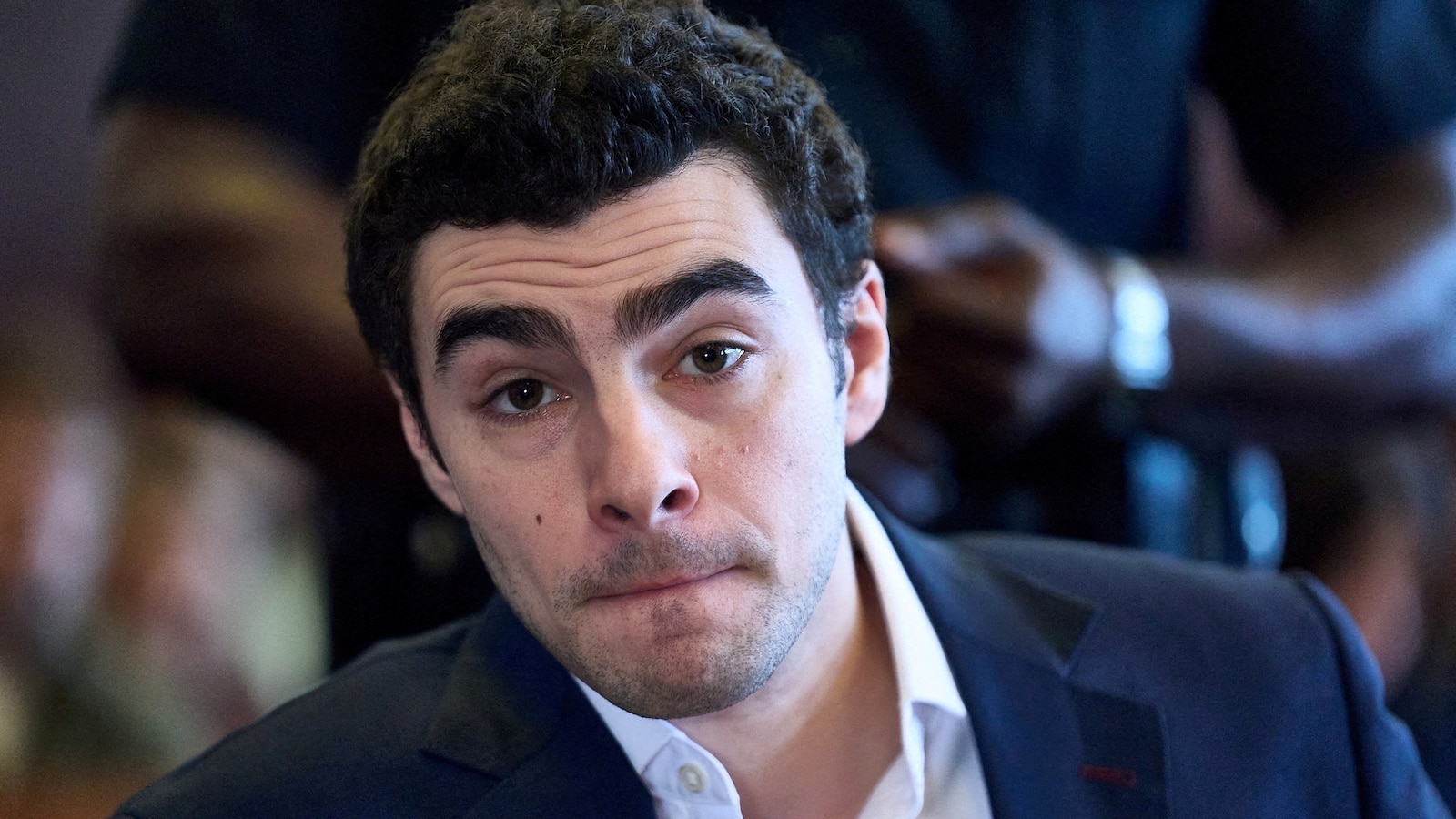

Federal Prosecutors Drop Death Penalty in Luigi Mangione Case: What It Means for the High-Profile Trial
Decision Marks Major Turning Point in UnitedHealthcare CEO Murder Case
In a significant development that will shape one of the most closely watched criminal cases in recent memory, federal prosecutors in New York announced Friday that they will not challenge a judge’s decision to remove the death penalty as a possible punishment in the case against Luigi Mangione. The 26-year-old stands accused of stalking and killing UnitedHealthcare CEO Brian Thompson in a shocking December 2024 shooting in Midtown Manhattan that captured national attention and sparked widespread debate about healthcare, corporate America, and violence.
The decision by the Department of Justice means that even if Mangione is convicted on federal charges, he will not face execution. This represents a major victory for his defense team and fundamentally changes the stakes of the upcoming trial. Federal prosecutors informed U.S. District Judge Margaret Garnett in a letter that “the Department of Justice will not seek interlocutory review of the Court’s Order,” effectively accepting her controversial ruling from late January that dismissed the death-eligible counts from Mangione’s federal indictment. With this decision now final, the legal proceedings can move forward on a clear timeline, with jury selection in the federal case scheduled to begin on September 8 and opening statements set for October 13.
The Judge’s Controversial Legal Reasoning
Judge Garnett’s original decision to remove the death penalty from consideration raised eyebrows across the legal community, and even she acknowledged the unusual nature of her conclusion. In her ruling, Garnett described her finding as “tortured and strange,” yet she stood by the legal reasoning that led her to it. The crux of her decision centered on a technical but crucial point: whether stalking qualifies as a “crime of violence” under federal law. According to Garnett’s interpretation, stalking does not meet this definition, and because of that, it cannot serve as the necessary predicate offense to make Thompson’s killing eligible for capital punishment under federal statutes.
This legal distinction might seem like splitting hairs to those outside the legal profession, but it represents a fundamental question about how federal death penalty law operates. For someone to face execution under federal law, prosecutors must prove not just that they committed murder, but that the murder occurred in conjunction with certain other serious crimes—crimes that qualify as violent offenses. Judge Garnett concluded that stalking, despite its threatening nature and the fear it instills in victims, doesn’t technically fit the legal definition required. Her willingness to make this ruling, even while acknowledging how unusual it seemed, demonstrates the complexity of capital punishment law and how specific statutory language can determine whether someone lives or dies.
What the Defense Argued and Won
Mangione’s legal team fought hard to have the death penalty removed from consideration, presenting arguments on both legal and procedural grounds. Their primary legal argument aligned with what Judge Garnett ultimately concluded: that stalking “fails to qualify as a crime of violence” and therefore cannot be used as the predicate offense necessary to pursue capital punishment. This wasn’t merely a technicality they were exploiting—it was a serious constitutional and statutory argument about the proper application of federal death penalty law.
Beyond the purely legal arguments, Mangione’s attorneys also raised concerns about the process by which federal prosecutors decided to seek the death penalty in the first place. They argued that the decision appeared politically motivated and that it circumvented the Department of Justice’s own established protocols for determining when capital punishment should be sought. These protocols exist to ensure consistency, fairness, and careful deliberation in death penalty cases, given the irreversible nature of the punishment. The defense suggested that prosecutors rushed to seek the death penalty in this high-profile case without following proper procedures, potentially because of public pressure or the prominence of the victim. While prosecutors had the option to appeal Judge Garnett’s ruling and continue fighting for the death penalty, they ultimately chose not to, perhaps recognizing the strength of the legal arguments against them or deciding that pursuing a lengthy appeal wasn’t worth the delay and uncertainty it would create.
Understanding the Dual Prosecution Path
One aspect of Mangione’s case that confuses many observers is why he faces charges in both state and federal court for what appears to be a single crime. This dual prosecution is possible because the American legal system operates on the principle of “dual sovereignty”—meaning that state governments and the federal government are separate sovereigns, each with their own laws and court systems. The same conduct can violate both state and federal law, allowing for separate prosecutions without running afoul of double jeopardy protections.
In Mangione’s situation, he has pleaded not guilty to both sets of charges. His state trial is actually scheduled to begin first, with jury selection set for June 8, several months before the federal proceedings. The state charges likely focus on New York’s murder statutes, while the federal charges involve violations of federal laws, potentially including charges related to stalking across state lines or other conduct that brings the case within federal jurisdiction. The fact that the federal case no longer includes the possibility of death doesn’t affect the state prosecution, though New York State abolished its death penalty years ago, so Mangione wouldn’t face execution there either. Still, he could face life in prison without the possibility of parole if convicted in either court. The two trials will proceed independently, though the outcome of the first trial could certainly influence the second, both in terms of public perception and potentially through evidence and testimony that becomes part of the public record.
The Crime That Shocked the Nation
The killing of Brian Thompson sent shockwaves through corporate America and reignited passionate debates about the healthcare industry, wealth inequality, and the desperation some Americans feel when dealing with insurance companies. Thompson, as CEO of UnitedHealthcare, one of the nation’s largest health insurance providers, was a prominent figure in an industry that many Americans view with frustration and anger. The circumstances of his death—shot in Midtown Manhattan, one of the busiest and most surveilled areas in the world—made the case all the more stunning.
What happened after Mangione’s arrest added another layer of complexity to public reaction. While many condemned the violence, others expressed sympathy for Mangione or even celebrated the attack on a healthcare executive, viewing it as a form of protest against an industry they believe causes harm through claim denials and coverage limitations. This disturbing public response highlighted the deep anger many Americans harbor toward health insurance companies and the perceived injustices of the healthcare system. Social media erupted with commentary, some of it disturbingly celebratory, treating Mangione as some kind of folk hero standing up to corporate greed. This reaction likely contributed to the high-profile nature of the prosecution and may have influenced the initial decision to seek the death penalty, as authorities perhaps wanted to send a strong message that vigilante violence against business leaders would not be tolerated regardless of public grievances about the industries they represent.
What Comes Next in This Landmark Case
With the death penalty now definitively off the table in the federal case, both sides can focus their preparation on the upcoming trials without the additional complexity and emotional weight that capital punishment proceedings bring. The state trial will proceed first in June, giving the public its first comprehensive look at the evidence prosecutors have assembled and the defense strategy Mangione’s attorneys will employ. That trial will be closely watched not just for its legal significance but for what it might reveal about Mangione’s mindset, his grievances, and what led to the alleged attack.
The federal trial, now scheduled for September jury selection and October opening statements, will follow. Even without the death penalty in play, Mangione faces the prospect of spending the rest of his life behind bars if convicted. Federal prosecutors will need to prove not only that he killed Thompson but that he did so after stalking him, demonstrating premeditation and planning that took the crime beyond a spontaneous act of violence. The defense will challenge every element of the prosecution’s case, and given their success in getting the death penalty removed, they’ve shown they’re prepared to fight on every legal front available to them. As these trials approach, they promise to be more than just a prosecution of one man for one crime—they’ll serve as a national conversation about healthcare, corporate responsibility, violence, justice, and whether our legal system can fairly handle cases that become cultural flashpoints. Whatever the outcomes, the case of Luigi Mangione and the killing of Brian Thompson will likely be studied and debated for years to come.