


Military Jets Respond to Airspace Violation Near Trump’s Mar-a-Lago Resort
A Tense Sunday Afternoon in Palm Beach
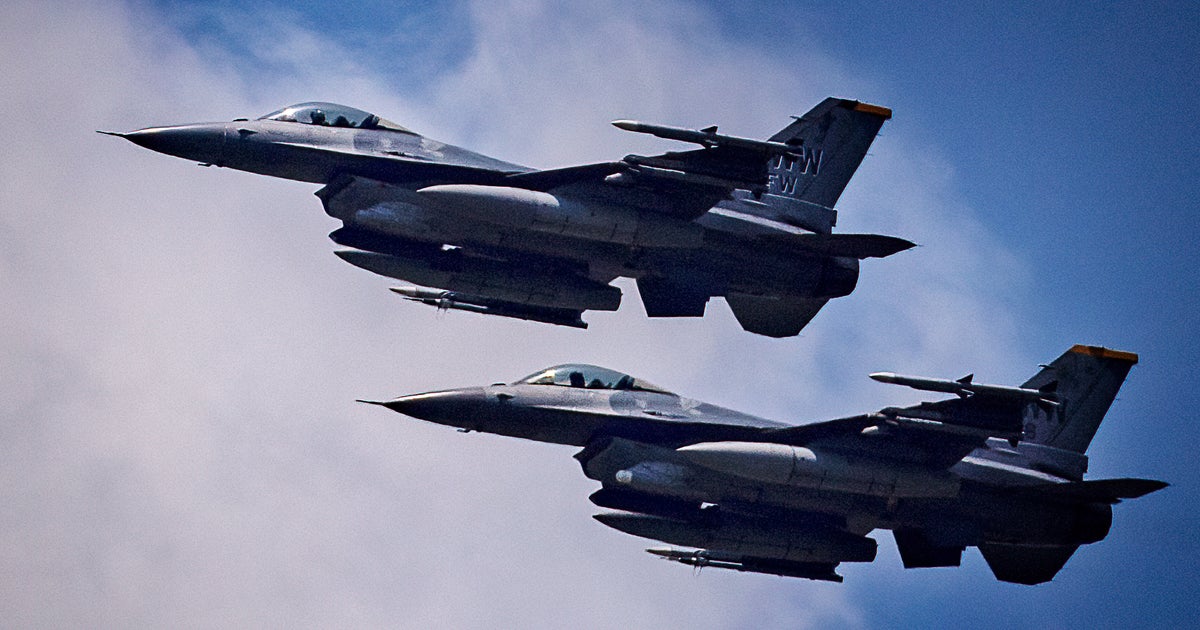
What started as an ordinary Sunday afternoon in Palm Beach quickly turned into a dramatic security situation when military fighter jets streaked across the sky, deploying bright flares that caught the attention of residents and tourists alike. The incident unfolded around 1:15 p.m. when a civilian aircraft accidentally wandered into restricted airspace near President Trump’s famous Mar-a-Lago resort. According to U.S. military officials from the North American Aerospace Defense Command (NORAD), F-16 fighter jets were immediately scrambled to intercept the wayward plane. While these types of airspace violations happen more frequently than many people realize, this particular incident gained widespread attention after videos from passengers aboard a nearby Delta Airlines flight started making the rounds on social media. The footage showed anxious moments as pilots explained the unexpected ground stop to confused passengers, initially suggesting a drone might have been the culprit. However, military officials later confirmed it was actually a civilian aircraft that had strayed into the no-fly zone surrounding the presidential resort.
Understanding the Security Response
When military officials detected the unauthorized aircraft entering the Temporary Flight Restriction zone, they acted swiftly and according to established protocols. The F-16 fighter jets didn’t just appear overhead – they deployed flares as part of their interception strategy. For those unfamiliar with military procedures, this might have seemed alarming, but NORAD was quick to explain that these flares serve a very specific and important purpose. They’re essentially a way for the military pilots to get the attention of civilian pilots who may have inadvertently entered restricted airspace or lost communication with air traffic control. Think of it as a dramatic but necessary way of saying, “Hey, you need to pay attention right now.” NORAD emphasized in their statement that these flares are used with the utmost regard for public safety. They burn out quickly and completely, falling harmlessly to the ground without posing any danger to people below. It’s a tested and proven method that allows military pilots to communicate visually with civilian aircraft when other forms of communication might not be working or when immediate attention is absolutely critical.
The Presidential Factor and Heightened Security
At the time of this airspace breach, President Trump wasn’t actually at Mar-a-Lago itself – he was spending time at his West Palm Beach golf club, a detail confirmed by White House pool reporters who track the president’s movements. Air Force One, the iconic presidential aircraft, remained securely positioned on the tarmac at Palm Beach International Airport throughout the entire incident, never in any real danger but certainly part of the heightened security considerations. The presence of the president in the area is precisely why these Temporary Flight Restrictions exist in the first place. Whenever the commander-in-chief is in town, the airspace around his location becomes off-limits to regular air traffic. This isn’t unique to Trump or to Mar-a-Lago – it’s standard Secret Service protocol that applies to any sitting president at any location. What makes the Mar-a-Lago situation somewhat unique is a decision made back in October to impose flight restrictions around the resort on a permanent basis – 24 hours a day, 7 days a week, year-round, according to CBS affiliate WPEC. This level of constant protection reflects the frequency with which President Trump visits his Palm Beach properties and the ongoing security considerations that come with protecting a sitting president at a location he visits regularly.
Passenger Confusion and Social Media Amplification
The incident took on a life of its own thanks to social media and the understandable curiosity of airline passengers who suddenly found themselves in an unexpected ground stop. In the viral video that circulated online, recorded by passengers aboard the Delta flight, you can hear the pilot’s voice over the intercom trying to explain the situation to anxious travelers who just wanted to get to their destination. The pilot’s initial explanation mentioned a drone coming too close to the airport, which seemed like a reasonable assumption at the time given the increasing frequency of drone-related incidents at airports nationwide. The pilot can be heard saying, “They’re not sure what it was, but apparently there was a drone that came in too close to the airport. They had to scramble some helicopters to go and investigate that.” This bit of miscommunication – the mention of helicopters when it was actually fighter jets, and a drone when it was actually a civilian plane – shows how quickly information can get muddled in fast-moving situations. For the passengers hearing this announcement, it must have been unsettling, adding an unexpected chapter to their travel day. The incident serves as a reminder of how social media has changed the way we experience and share news events in real-time, with eyewitness videos often appearing online before official statements from authorities.
Not an Isolated Incident
While Sunday’s airspace violation made headlines and sparked online conversation, it’s actually far from unique. NORAD officials revealed that they’ve responded to dozens of similar incidents in the Palm Beach area in recent months alone. This might come as a surprise to many people, but airspace violations near presidential locations happen with some regularity. Most of the time, they’re completely innocent mistakes – a private pilot who didn’t check the current flight restrictions carefully enough, someone unfamiliar with the area, or a navigational error. The civilian aircraft in Sunday’s incident was safely escorted out of the restricted zone once communication was reestablished between the pilot and authorities, and there’s no indication that any malicious intent was involved. These repeat incidents do raise questions about awareness among civilian pilots regarding temporary and permanent flight restrictions, especially in areas like South Florida where there’s a high volume of private aviation traffic mixing with presidential security needs. History shows this isn’t a new challenge either. Back in 2017, during President Trump’s first term in office, another incident required military response near Mar-a-Lago. That time, F-15 fighter jets were scrambled to intercept an unresponsive aircraft, and their supersonic response created a sonic boom that startled residents across the area – the distinctive thunderous sound that occurs when aircraft break the sound barrier, a noise powerful enough to rattle windows and set off car alarms.
The Bigger Picture of Presidential Security
This latest incident at Mar-a-Lago serves as a window into the complex and constant security operations that surround a sitting president, even when they’re supposedly on vacation or enjoying downtime at a golf course. The coordination between NORAD, the Secret Service, local law enforcement, and air traffic control has to be seamless and instantaneous. Every unidentified aircraft is treated as a potential threat until proven otherwise, which is why the military response is so swift and dramatic. For residents of Palm Beach and West Palm Beach, living near the “Winter White House” means becoming accustomed to these periodic disruptions – temporary road closures when the presidential motorcade passes, the sound of Marine One helicopters, and yes, occasionally the sight of military fighter jets overhead. For pilots flying in South Florida, it means staying constantly updated on flight restrictions that can change based on the president’s schedule. The implementation of permanent 24/7 flight restrictions around Mar-a-Lago represents an acknowledgment that traditional temporary restrictions weren’t sufficient given the frequency of presidential visits. It’s a balance between security necessity and the practical realities of living and flying in an area that has become, whether residents initially signed up for it or not, a crucial piece of presidential infrastructure. As long as President Trump continues to maintain Mar-a-Lago as a working retreat and frequent destination, these security measures – and occasional incidents like Sunday’s – will remain part of life in Palm Beach.