


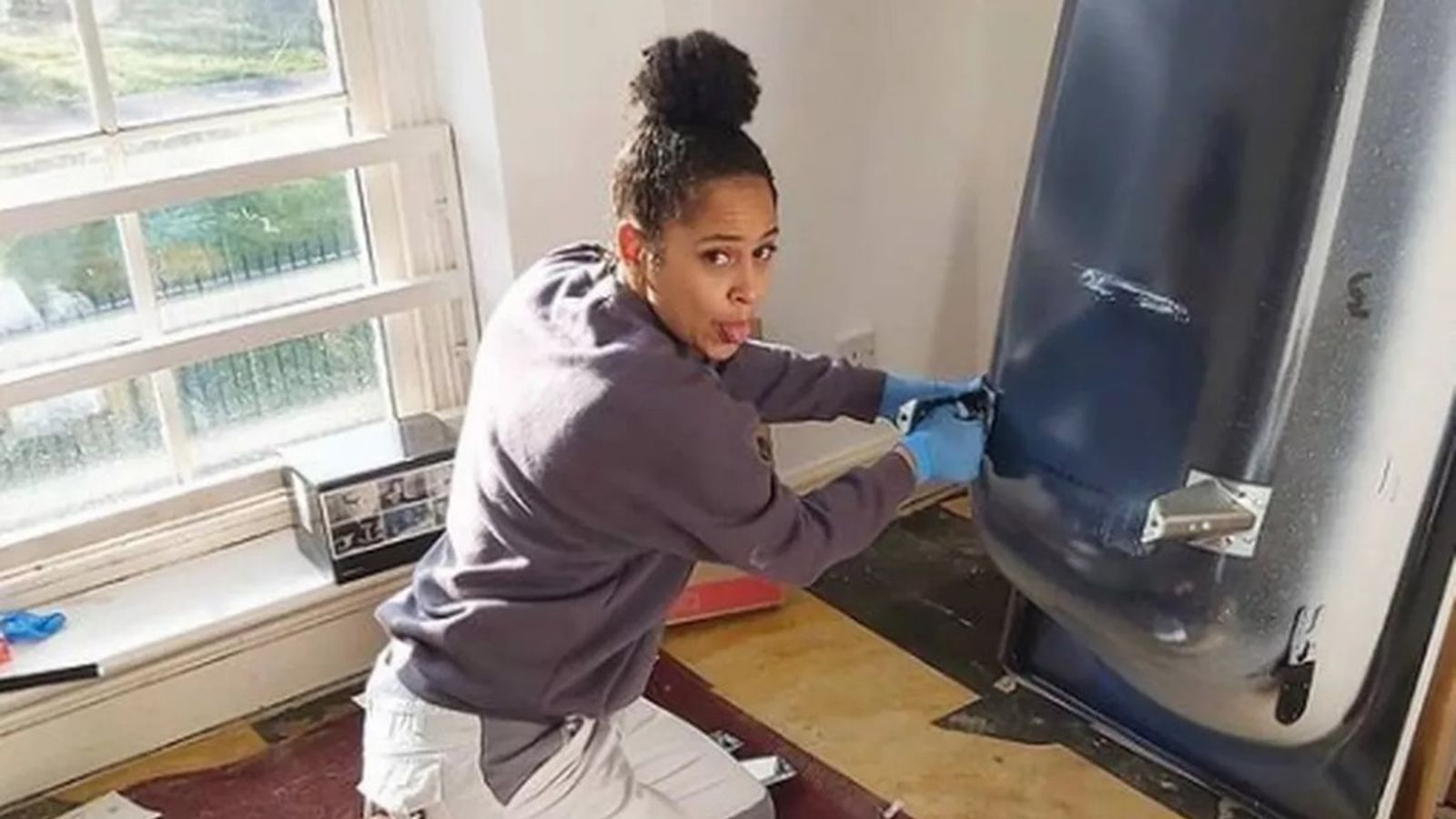

Inside the Life of a Modern Plumber: Breaking Stereotypes and Fixing Leaks
From Apprentice to Business Owner: The Financial Reality
When most people imagine a career change, plumbing might not immediately spring to mind—but perhaps it should. The financial prospects in this essential trade are more attractive than many realize, with earning potential that grows substantially with experience and qualifications. Those just starting out as apprentice plumbers can expect to earn between £18,000 and £19,000 annually, which admittedly isn’t a fortune but provides a solid foundation for learning a skilled trade. Once newly qualified, that figure jumps significantly to around £28,000-£29,000, reflecting the value of their newly acquired expertise and certification. For those with entrepreneurial ambitions who establish their own limited companies and build a solid reputation, the sky’s the limit—earnings can exceed £70,000 per year. Additional specialist certifications, particularly Gas Safe registration, have a substantial impact on what professionals can charge for their services, making continuous professional development not just advisable but financially rewarding.
Understanding the pricing structure in plumbing is crucial for both professionals and customers. Leah Carney, a practicing plumber and gas engineer, explains that haggling over prices isn’t something most plumbers appreciate, and for good reason. The quoted price reflects numerous hidden costs that customers might not immediately consider—detailed planning, sourcing quality materials, professional insurance, ongoing training, and the expertise that prevents small problems from becoming expensive disasters. However, there are ways savvy customers can reduce their costs without insulting the professional. Addressing maintenance issues before they escalate into emergencies is perhaps the most effective money-saving strategy, as preventative work requires fewer parts and less labor than crisis repairs. For smaller or more routine jobs, customers can sometimes save money by purchasing certain products themselves, reducing the billable time the plumber needs to spend on sourcing materials, though this should always be discussed with the professional first to ensure compatibility and suitability.
Breaking Barriers in a Male-Dominated Industry
Working as a female plumber in 2024 still raises eyebrows, which says something important about the stereotypes that persist in skilled trades. Leah is frequently asked what made her choose plumbing as a career, a question that, while not necessarily ill-intentioned, reveals the unconscious biases many people still hold about who belongs in physical, sometimes unglamorous work. She doesn’t mind answering, but the constant need to explain her career choice highlights how perceptions lag behind reality. The assumption that plumbing is unsuitable for women reflects outdated thinking about physical capability, technical aptitude, and professional ambition. Beyond innocent curiosity, Leah has faced more direct challenges, including outright sexism and racism at various points in her career—obstacles that have nothing to do with her ability to do the job and everything to do with other people’s prejudices.
What’s remarkable about Leah’s approach is her refusal to internalize these negative experiences or view herself as an outsider in her own profession. She has never looked at herself as “the odd one out,” instead maintaining confidence in her knowledge and experience. When she arrives at a job site, she knows with absolute certainty that she can accomplish anything her male colleagues can, because her training, certification, and hands-on experience are exactly the same. This confidence isn’t arrogance—it’s the natural result of hard-earned expertise and professional competence. Her presence in the field isn’t making a statement; it’s simply doing the work that needs to be done. However, the broader issue remains: until more women enter trades like plumbing, these assumptions will persist, which is why Leah is passionate about encouraging young women to consider careers they might not have thought were available to them.
The New Build Problem and Environmental Considerations
Anyone who’s purchased a new-build property in recent years might be grimly unsurprised to learn that plumbing issues are remarkably common in these supposedly pristine homes. Leah confirms what many homeowners have discovered the hard way: new builds suffer from numerous problems, and not just with plumbing. The issue stems from the construction industry’s relentless focus on speed and volume over quality and longevity. Plumbing systems are installed in a rush, with corners cut, details forgotten, and installations completed without proper thought for how they’ll perform over decades rather than just passing initial inspections. This isn’t always the fault of individual tradespeople but rather a systemic issue driven by the high demand for housing and pressure to keep costs down, which often means using cheaper materials and limiting the time skilled workers can spend on each installation. Large new-build flat developments are particular problem areas, with leaking baths, showers, and toilets being frustratingly common complaints.
Looking toward the future, environmental sustainability in heating systems is becoming increasingly important, and heat pumps are frequently touted as the solution to reduce carbon emissions from home heating. Leah is eco-conscious and appreciates the technology behind heat pumps, but she’s also realistic about their limitations in the current UK housing stock. The simple truth is that heat pumps aren’t suited to a huge number of homes across the country due to constraints around available space, the substantial upfront investment required, and the extensive upgrades many older properties would need to make them compatible with this technology. Traditional boilers remain compact, relatively affordable, and familiar to both installers and homeowners. Leah’s vision for the future involves engineering innovation that brings the environmental benefits of heat pumps or electric boilers into standard boiler designs—a hybrid approach that might provide a more practical pathway to greener heating for the majority of UK homes.
Practical Advice for Homeowners
Maintaining your home’s plumbing and heating systems doesn’t require professional knowledge, but a few key practices can save substantial money and prevent emergencies. For boiler longevity, Leah’s top recommendation is having a comprehensive strip-down clean every five years alongside a chemical clean of the system. This preventative maintenance, while it does cost money upfront, extends the life of expensive equipment and maintains efficiency, ultimately saving on energy bills and avoiding premature replacement. It’s the kind of unglamorous but essential task that’s easy to postpone but pays dividends in the long run.
Blocked pipes are among the most common plumbing complaints, and the culprits are almost always the same: large food items, cooking grease, and hair. These three villains appear again and again in Leah’s work, yet they’re entirely preventable with simple habits. Installing food traps in kitchen sinks and hair traps in bathroom drains captures these materials before they enter your pipes. Cooking grease should never go down the drain—instead, wipe pans with paper towels and dispose of the grease in the bin. For ongoing maintenance, the old-fashioned combination of bicarbonate of soda and white vinegar poured down drains periodically can help dislodge building accumulation before it becomes a serious blockage. Every homeowner should also develop basic practical skills, including how to check for leaks and shut off water supplies in emergencies. A modest toolkit containing a pair of grips, a screwdriver, and a drill enables simple repairs and adjustments that don’t require professional intervention, saving money and building confidence in maintaining your own home.
The Reality of Daily Work
The variety of work keeps the job interesting, though some jobs are decidedly more pleasant than others. The most popular installation request Leah receives is for new showers, often because customers struggle with inadequate water pressure or deteriorating shower valves damaged by limescale buildup—a particular problem in hard water areas. These installations typically involve both plumbing expertise and an understanding of water systems, pressure requirements, and modern bathroom technology. The most common callout, however, is for leaking fixtures—faucets, taps, showers, and baths. Many of these products are manufactured cheaply, and the combination of hard water and limescale accumulation clogs the working mechanisms over time, creating constant drips or more serious leaks. A typical repair including a replacement part and labor averages between £150-300, which might seem expensive until you consider the water damage and increased bills that result from ignoring the problem.
Then there are the genuinely unpleasant jobs that remind you why skilled tradespeople deserve respect and fair compensation. Leah’s worst experience involved investigating a leak from a bathroom into the living room below. After checking all the obvious suspects, she turned her attention to the toilet, which had tall boxing concealing the pipework behind it. Upon removing a section of this boxing, she discovered that the toilet connector had become dislodged—meaning that everything passing through the toilet, tissue and waste, was simply accumulating on top of the ceiling and seeping through into the living space below. This job required not just technical skill to fix the plumbing but also dealing with genuinely foul conditions that most people couldn’t stomach. It’s moments like these that illustrate why emergency plumbing commands premium rates—you’re not just paying for someone to fix a problem, but to deal with situations most people would refuse to go near.
The Bigger Picture: Industry Challenges and Work-Life Balance
Behind the practical work of fixing leaks and installing boilers lie more significant challenges facing the plumbing profession as a whole. Plumber burnout and professional loneliness have become serious concerns in an industry where practitioners typically work alone or in small teams, moving from job to job without the social infrastructure of a traditional workplace. For customers working from home, a plumber’s visit might be their only human interaction of the day, and Leah genuinely enjoys these conversations, finding the variety of people she meets one of the rewarding aspects of the job. However, for the plumber, this transient social contact doesn’t replace the collegial relationships that office-based workers often take for granted.
The skills gap in the plumbing and heating industry represents an urgent challenge that Leah is personally passionate about addressing. Research from BIKBBI (now BIFIS) revealed that only 3% of installers have entered the sector in the past year—a shockingly low figure that threatens the industry’s future capacity. Leah particularly wants to see more young women entering the trades, challenging the educational system’s tendency to funnel academically strong students toward university while steering others toward vocational training. Having experienced both pathways herself, she knows this binary approach is neither fair nor accurate—intelligence and academic ability are valuable in trades just as much as in traditional graduate careers, and practical, hands-on work can be deeply satisfying for people of all educational backgrounds. The perception that trades are a second-choice option for those who can’t succeed academically does a disservice both to young people considering their futures and to industries desperately needing skilled, thoughtful practitioners.
Running her own business means Leah works five days a week, easily clocking 60-70 hours when you include the actual plumbing work, plus weekend time spent on invoicing, providing quotes, and handling the administrative side of the business. The autonomy is valuable—she can technically take as much holiday as she wishes—but the reality of running a small business means limiting trips to a maximum of two weeks to avoid losing momentum, disappointing customers, or missing out on work to competitors. Despite the long hours, financial uncertainty, and occasional unpleasant jobs, there’s evident satisfaction in Leah’s approach to her work. She’s not just fixing pipes; she’s building a business, challenging stereotypes, mentoring the next generation, and providing an essential service that keeps homes safe, comfortable, and functional. For anyone daydreaming about a career change during their morning commute, her story offers a reminder that fulfillment doesn’t always come from the most obvious or conventional paths—sometimes it flows from doing skilled, necessary work with competence, confidence, and pride.