


Major Funding Push for Britain’s Strategic Tungsten Mine Project
A Critical Minerals Venture Seeks Fresh Investment
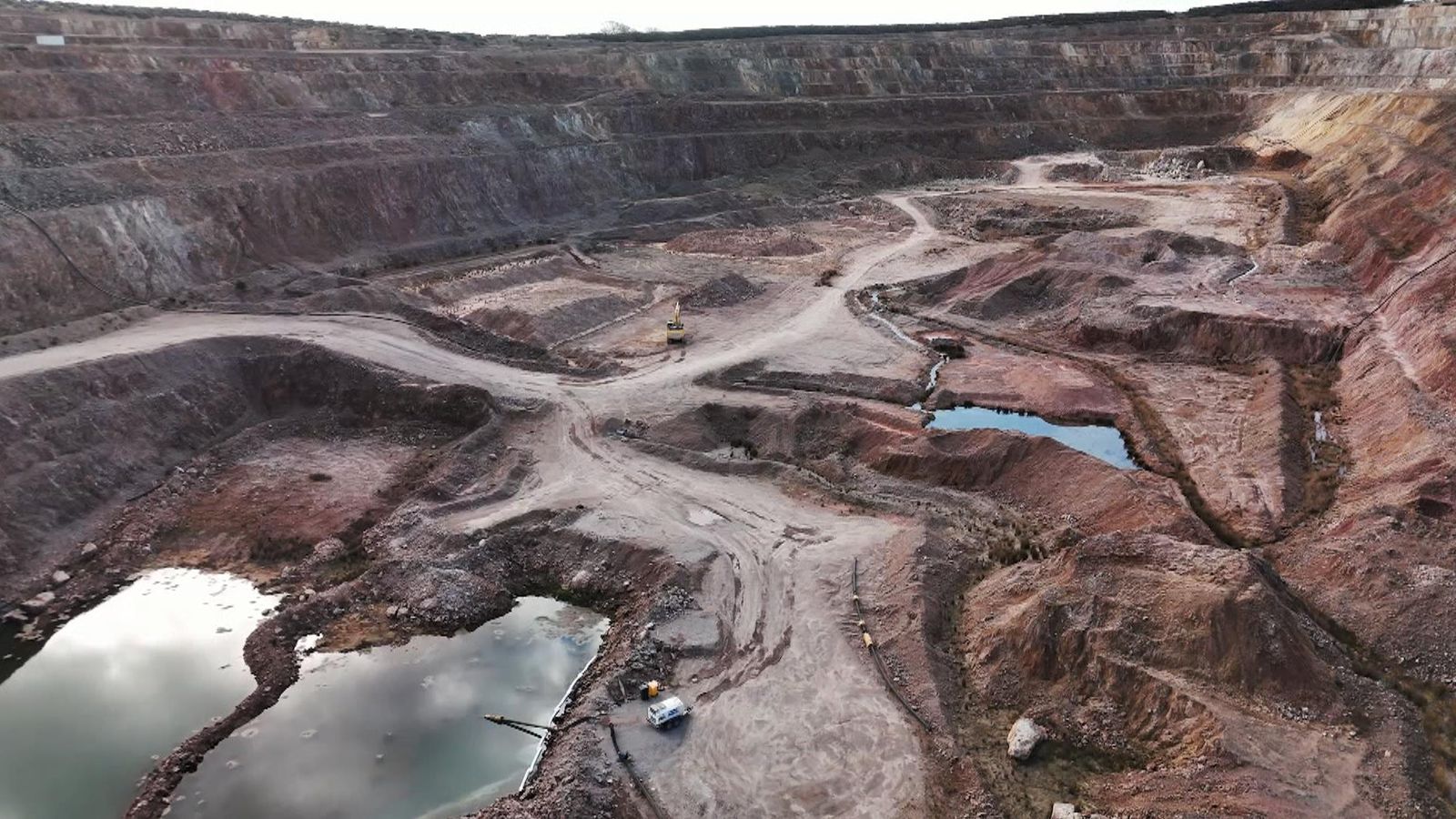
Tungsten West, a London-listed mining company, is currently engaged in serious discussions with potential investors to raise a substantial sum between £40 million and £50 million through a share sale. The company, which trades on London’s junior AIM market, has its sights set on extracting what is believed to be one of the world’s largest tungsten deposits, located at Hemerdon in Devon, England. Industry insiders suggest that this significant capital-raising effort could be officially announced as early as this week. The fundraising initiative comes at a particularly opportune moment, as global demand for critical minerals has been surging dramatically due to increasing geopolitical tensions and the growing recognition that Western economies need to reduce their dependence on Chinese mineral supplies. The company has also reported positive progress on securing debt financing for the project, indicating a multi-faceted approach to funding this strategically important mining operation.
Understanding Tungsten’s Critical Role in Modern Industry
Tungsten stands as one of the most important industrial minerals in today’s global economy, playing an indispensable role across multiple sectors that are vital to modern civilization. Manufacturers across various industries rely heavily on this metal, with particularly significant applications in the defense sector, energy production, and automotive manufacturing. The metal’s exceptional properties—including its incredibly high melting point, density, and hardness—make it irreplaceable in many applications, from military armor-piercing ammunition to electrical contacts, drilling equipment, and specialized alloys. As the world transitions toward renewable energy and electric vehicles, tungsten’s importance has only grown, with the metal being crucial for components in wind turbines, solar panels, and electric vehicle batteries. This growing industrial dependence on tungsten has transformed it from a simple industrial commodity into a strategic resource that nations increasingly view through the lens of economic security and national defense capabilities.
The China Supply Challenge and Western Concerns
The current tungsten market presents a stark reality that has become increasingly uncomfortable for Western governments and industries: China controls approximately 80% of the world’s tungsten production. This overwhelming dominance gives Beijing enormous leverage over global supply chains and has raised profound concerns among Western economies, particularly in the United States and Europe. The situation became even more alarming when China implemented export controls on critical minerals, a move widely interpreted as a demonstration of economic power and a warning to Western nations. This concentration of supply in a single nation represents a significant vulnerability for countries that rely on tungsten for defense applications, advanced manufacturing, and emerging technologies. The strategic implications extend far beyond simple economics—they touch upon national security, industrial competitiveness, and technological sovereignty. In response to these concerns, Western nations have begun scrambling to identify and develop alternative sources of critical minerals, with projects like Tungsten West’s Hemerdon mine suddenly taking on strategic importance that extends well beyond their commercial value.
America’s Multi-Billion Dollar Stockpiling Strategy
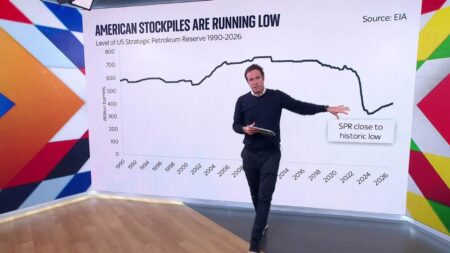
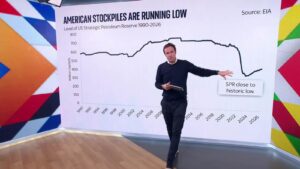
The gravity of the critical minerals supply challenge became crystal clear this week when reports emerged that the United States plans to invest a staggering $12 billion in stockpiling essential minerals including rare earths, copper, lithium, and tungsten. This massive investment represents one of the most significant strategic resource initiatives in recent American history and underscores the growing recognition at the highest levels of government that mineral supply security is a matter of national importance. The stockpiling program reflects a broader shift in Western strategic thinking, moving away from the assumption that global markets will always provide necessary materials toward a more cautious approach that prioritizes supply chain resilience and domestic or allied sources of critical materials. For companies like Tungsten West, this policy environment creates an exceptionally favorable backdrop, as governments are increasingly willing to support, subsidize, or provide guaranteed purchase agreements for domestic or allied mineral production that can reduce dependence on potentially adversarial nations.
Tungsten West’s Ambitious Production Goals and Recent Progress
Tungsten West has set itself an ambitious but potentially achievable goal: to eventually produce roughly one-quarter of the world’s non-Chinese tungsten supply. If realized, this would represent a genuinely transformative shift in the global tungsten market, substantially reducing Western dependence on Chinese production and creating a reliable, allied source of this critical mineral. The company originally floated on London’s junior AIM market in 2021 with the specific aim of restarting tin and tungsten production at the historic Hemerdon site in Devon, which was last operational in 2018 under different ownership. The mine has a long history, but previous operations struggled with the economics of extraction given the tungsten prices that prevailed at the time. However, the market has changed dramatically since then. In a recent update to the stock market, Jeff Court, the chief executive of Tungsten West, highlighted the “structural shift in the tungsten market” observed since the end of 2024, noting that tungsten prices have skyrocketed by over 200% and tin prices by more than 70% in the relatively short period since the company released its Updated Feasibility Study. These dramatic price increases have fundamentally transformed the project’s economics, making it far more attractive to investors and lending urgency to the company’s efforts to advance the project rapidly.
Market Response and Future Outlook
The market has responded enthusiastically to Tungsten West’s progress and the favorable conditions in the critical minerals sector. Shares in Tungsten West closed on Wednesday at 29.9 pence, representing a rise of close to 13% and giving the company a market capitalization of just over £205 million. This positive investor sentiment reflects growing recognition that projects like Hemerdon are no longer just commercial ventures but strategic assets that could benefit from government support, guaranteed offtake agreements, and the tailwinds of structural market changes driven by geopolitical realignment. While the company declined to comment on the specific details of the fundraising when contacted, and the exact price at which new shares would be issued remains unclear, the momentum behind the project appears strong. The combination of soaring tungsten prices, government focus on critical mineral security, reduced competition from Chinese exports due to controls, and the strategic location in a politically stable, allied nation all work in Tungsten West’s favor. As Western economies continue to grapple with the vulnerabilities exposed by concentrated supply chains and geopolitical tensions, projects that can provide domestic or allied sources of critical minerals are likely to receive increasingly favorable treatment from both markets and governments, positioning Tungsten West at the intersection of commercial opportunity and strategic necessity.