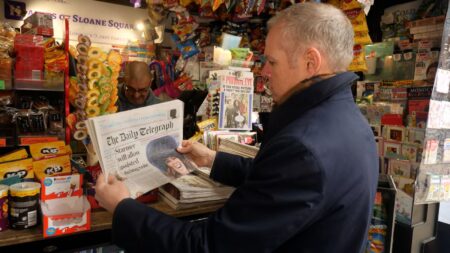




Britain’s Biggest Taxpayers: A Who’s Who of Success and Contribution
Gambling Giants Take the Crown
In a fascinating glimpse into the financial contributions of Britain’s wealthiest individuals, The Sunday Times Tax List 2026 has revealed some surprising names among the nation’s top taxpayers. Leading the pack for the first time are Fred and Peter Done, the billionaire brothers behind the gambling empire Betfred. Their remarkable tax contribution of £400.1 million over the past year represents not just their business success, but also a significant boost to the public purse. What makes this figure even more striking is the dramatic increase from the previous year – their tax bill jumped by nearly half from £273.4 million, reflecting both their growing business success and changes to corporate tax rates. The Done brothers, who founded their Warrington-based betting business back in 1967, have built an empire from humble beginnings, and their position at the top of this prestigious list demonstrates just how far they’ve come. Their story is one of entrepreneurial vision combined with decades of hard work in a competitive industry, and their substantial tax contribution represents a significant return to the British economy that has supported their success.
Financial Wizards and Creative Talents
The list reads like a fascinating cross-section of British success stories, with financial trading entrepreneur Alex Gerko claiming second place with a £331.4 million tax bill, closely followed by hedge fund boss Chris Rokos at £330 million. These financial sector heavyweights demonstrate the continued importance of London as a global financial center. However, what makes this year’s list particularly interesting is the diversity of talent represented. Creative industries feature prominently, with Harry Potter author JK Rowling appearing in 36th place with a tax contribution of £47.5 million – a testament to the enduring global appeal of her wizarding world and her various other business ventures. The music industry also shows its economic muscle, with pop superstar Ed Sheeran ranking 64th with a £19.9 million tax payment, while former One Direction member Harry Styles makes his debut appearance on the list in 54th place, contributing £24.7 million. Styles’ inclusion is particularly timely as he prepares to release his fourth studio album in March, proving that his transition from boy band member to solo artist has been not just artistically successful but financially rewarding as well.
Sports Stars Score Big on Tax Contributions
The world of sport features prominently on this year’s list, bringing together footballers and fighters who’ve turned athletic excellence into substantial financial success. Two footballers made their debut appearances, with Manchester City’s goal-scoring sensation Erling Haaland appearing in 72nd place with an estimated tax payment of £16.9 million, making him, at just 25 years old, the youngest person ever to feature on the tax list. Liverpool’s Mohamed Salah, beloved by fans for his incredible skill and consistent performance, ranked 81st with a tax bill of £14.5 million. These figures reflect not just their astronomical salaries but also their various endorsement deals and business ventures. Boxing champion Anthony Joshua rounds out the sporting contingent at the 100th position, contributing £11 million in tax. These athletes represent more than just sporting excellence – they’re global brands whose success contributes significantly to the British economy while inspiring millions of young people to pursue their dreams in sport.
Entrepreneurs and Business Innovators
British entrepreneurship is well-represented throughout the list, showcasing the diverse range of successful businesses operating across the country. Billionaire businessman Mike Ashley, known for his retail empire and sports investments, ranked ninth with a substantial tax contribution of £175 million. Sir James Dyson, whose revolutionary vacuum cleaners and other innovative home appliances have become household names worldwide, also features prominently on the list. His inclusion represents decades of engineering excellence and business acumen that has made British design and innovation respected globally. Meanwhile, Nik Storonsky, co-founder of the digital banking and payments firm Revolut, demonstrates how fintech innovation is reshaping the British business landscape and creating enormous value. Perhaps most intriguingly, Wetherspoons founder Sir Tim Martin, at 70 years old, ranked eighth with a personal contribution of £199.7 million – proof that traditional business models can still thrive when executed with vision and consistency. These entrepreneurs have created thousands of jobs, transformed their respective industries, and through their tax contributions, helped fund essential public services.
Record-Breaking Total Contributions
The overall figures from this year’s list tell a compelling story about wealth creation and tax contribution in modern Britain. The top 100 taxpayers collectively handed over an impressive £5.758 billion in tax, representing a significant increase from the previous year’s £4.985 billion. This substantial rise reflects several factors, including improved business performance across various sectors and, importantly, changes to corporation tax rates implemented by the government to support higher welfare spending. As Robert Watts, who compiled the list, observed: “This is an increasingly diverse list, with Premier League footballers and world famous pop stars lining up alongside aristocrats and business owners selling pies, pillows and baby milk. This year there’s been a big jump in the amount of tax we’ve identified – largely because of higher corporation tax rates.” This diversity is perhaps the most encouraging aspect of the list, demonstrating that success in modern Britain can come from various backgrounds and industries, from traditional manufacturing to creative arts, from technology startups to professional sports.
The Exodus Question and Future Implications
Despite the impressive figures, the list hasn’t been without controversy. Six taxpayers featured on the list have actually left the UK over the past year, raising questions about Britain’s ability to retain its wealthiest individuals amid changing tax policies. These departees include Wren Kitchens founder Malcolm Healey and sports promoter Eddie Hearn, among others. Their exodus comes amid reports of wealthy individuals relocating to avoid higher taxes under the Labour government or due to changes in non-domiciled status rules. This creates a delicate balancing act for policymakers: how to ensure the wealthy pay their fair share while maintaining Britain’s attractiveness as a place to live, work, and build businesses. The debate touches on fundamental questions about taxation, fairness, and economic competitiveness. However, the record total tax contributions from those who remain, and the constant influx of new names to the list, suggests that Britain continues to be a place where talent and hard work can lead to extraordinary success. The list ultimately represents more than just numbers – it’s a snapshot of modern British achievement, showing how diverse paths can lead to success, and how that success, when properly taxed, can benefit society as a whole through funding for healthcare, education, infrastructure, and other essential services.