

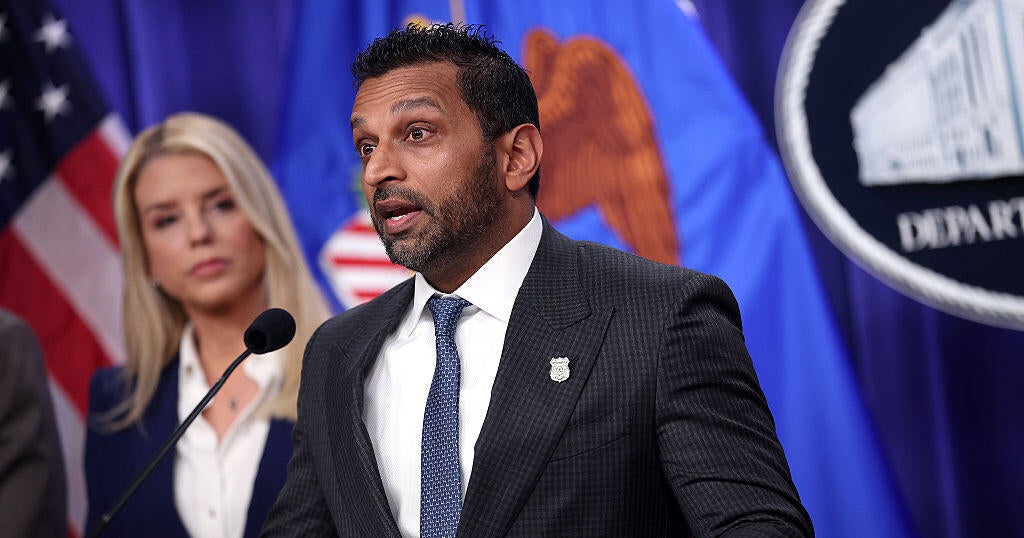

FBI Agents Sue Government After Being Fired for Working on Trump Election Investigation
A Case of Political Retaliation or Necessary Action?
Two former FBI agents have taken the bold step of filing a lawsuit against the federal government, claiming they lost their jobs simply because they participated in investigating former President Trump’s attempts to challenge the 2020 election results. The lawsuit, which names FBI Director Kash Patel and Attorney General Pam Bondi as defendants, represents a growing trend of legal challenges from federal agents who believe they’ve been unfairly dismissed for political reasons. What makes this case particularly striking is that these agents weren’t major players in the investigation – they performed supporting roles, handling administrative tasks and financial analysis. Yet according to their lawsuit, they were fired without warning, without an internal investigation, and without any opportunity to defend themselves. The timing of their dismissals, coming shortly after confidential documents from the investigation were publicly released to Congress in fall 2025, raises serious questions about whether this was political payback rather than legitimate personnel management.
The Details Behind “Arctic Frost” and the Agents’ Roles
The investigation in question carried the internal code name “Arctic Frost” at the FBI and was led by special counsel Jack Smith. However, contrary to what some might assume, the two agents bringing this lawsuit – identified only as John Doe 1 and John Doe 2 to protect their identities – weren’t the driving forces behind this high-profile probe. John Doe 1 was brought onto the team specifically because of his expertise in financial investigations, but his actual work turned out to be far less significant than his credentials might suggest. According to the lawsuit, his duties were “largely administrative and ministerial” in nature. Despite being listed as a point of contact for the investigation, he prepared very few subpoena requests and played only a minor supporting role overall. John Doe 2’s involvement was even more peripheral – he handled basic but necessary tasks like recording interviews when lead agents or prosecutors requested it, arranging for transcription services, and maintaining interview logs and records. Neither agent was making prosecutorial decisions or directing the investigation’s course; they were simply doing the jobs their supervisors assigned them, using the skills they’d been trained to employ throughout their FBI careers.
The Sudden and Shocking Terminations
The manner in which these two agents lost their jobs adds another troubling dimension to their case. John Doe 1 received the devastating news on Halloween 2025, just as he was preparing to take his children trick-or-treating – a detail that underscores the human cost of what the agents characterize as arbitrary firings. A few days later, John Doe 2 got his termination notice, which came at a particularly ironic time. He was actively working on what the lawsuit describes as “a high-profile fraud against the government investigation” and had just completed briefings with both FBI Director Patel and former FBI Deputy Director Dan Bongino about this entirely separate case. The fact that he was demonstrably performing valuable work on current investigations apparently made no difference. Even more telling, U.S. Attorney Jeanine Pirro reportedly tried to intervene on John Doe 2’s behalf, attempting to save him from termination because his work was important to her office’s ongoing cases. Despite her efforts, the firing went ahead anyway, suggesting that the decision came from high levels of authority and wasn’t subject to reconsideration based on the agent’s current performance or value to ongoing investigations.
Violations of Due Process and FBI Policy
At the heart of this lawsuit are serious allegations that fundamental principles of fairness and established FBI procedures were completely disregarded. The former agents argue that their First Amendment rights (freedom of speech and association, which protects against political retaliation) and Fifth Amendment rights (due process, which requires fair procedures before the government can deprive someone of their job) were violated. According to FBI policy cited in the lawsuit, agents can only be removed “for cause” – meaning there must be legitimate reasons such as poor job performance, misconduct, abuse of leave privileges, national security concerns, or inability to perform required duties. None of these justifications were provided to these agents. They received no advance notice, no internal investigation to examine their conduct, no hearing where they could respond to allegations, and no evidence presented against them. They weren’t given any opportunity to appeal the decisions. FBI Director Patel simply fired them, according to the lawsuit, without following any of the procedural safeguards that are supposed to protect federal employees from arbitrary dismissal. This lack of due process is particularly significant because it suggests the firings weren’t based on individual wrongdoing but rather on a blanket decision to remove anyone associated with politically sensitive investigations.
The Broader Pattern and Political Context
This lawsuit doesn’t exist in isolation – it’s part of what the filing describes as “a growing number of cases being filed by former agents who allege they were fired for political reasons without due process.” The political context is impossible to ignore: these agents worked on an investigation into a president’s conduct, and they were later fired by officials appointed by that same president after he returned to power. The lawsuit was filed in U.S. District Court for the District of Columbia, and the former agents are seeking not just a declaration that their rights were violated, but also reinstatement to their previous positions. Their attorney, Elizabeth Tulis from Perry Law, framed the issue in stark terms: “The government fired them not because they did anything wrong, but solely because of their assignment to an investigation involving then-former President Trump, and a perception that the agents were therefore political non-supporters of President Trump.” She emphasized that her clients “did exactly what they were trained to do: they accepted an assignment from their supervisors and carried it out professionally and apolitically.” If Tulis’s characterization is accurate, this case represents a dangerous precedent where career law enforcement professionals can lose their jobs not for what they did, but simply for following orders to work on cases that later became politically inconvenient for those in power.
The Aftermath and What It Means for Federal Law Enforcement
The consequences for these two former agents extend far beyond the immediate loss of their jobs. The lawsuit notes that since their terminations, both have struggled to find new employment – a common problem for people fired from federal law enforcement positions, particularly when the circumstances are controversial and unclear. Their professional reputations have been damaged, their financial security threatened, and their families affected, all for doing work they were assigned by their superiors. The Justice Department and FBI spokespeople could not be immediately reached for comment when the lawsuit was filed, leaving the government’s side of the story yet to be told. However, the implications of this case extend beyond these two individuals. If career FBI agents can be summarily dismissed for working on politically sensitive investigations – even in minor, supporting roles – it sends a chilling message throughout federal law enforcement. Agents might become reluctant to accept assignments involving political figures, fearing that a change in administration could cost them their careers. This could undermine the FBI’s ability to conduct impartial investigations regardless of who they involve. The principle at stake is whether federal law enforcement can operate as an independent, professional institution that follows evidence wherever it leads, or whether it will become subject to political winds that punish agents for past work whenever power changes hands. As this lawsuit proceeds through the courts, it will test whether the constitutional protections against political retaliation and the guarantee of due process before termination are meaningful safeguards or merely words on paper that can be ignored when politically expedient.