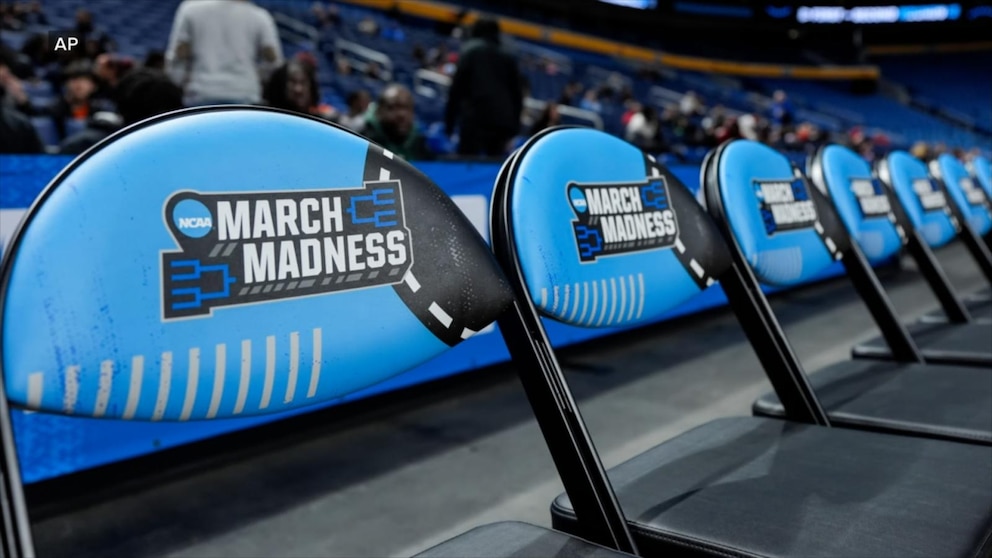

First Rounds of March Madness Begins: The Most Exciting Time in College Basketball
The arrival of March Madness marks one of the most thrilling and unpredictable periods in American sports. Every year, college basketball fans across the nation clear their schedules, prepare their brackets, and settle in for three weeks of non-stop action that delivers everything from stunning upsets to nail-biting finishes. The tournament’s opening rounds are particularly special, featuring a concentrated burst of games where dreams are made and broken within hours. Sixty-four teams enter with championship aspirations, but only one will survive the gauntlet to cut down the nets. The first rounds set the tone for the entire tournament, introducing us to the Cinderella stories, heartbreaking buzzer-beaters, and dominant performances that make March Madness a cultural phenomenon that transcends sports. Whether you’re a die-hard college basketball fan or someone who only tunes in once a year, there’s something magical about those opening days when anything seems possible and no lead feels safe.
The Bracket Phenomenon and Tournament Structure
The NCAA Division I Men’s Basketball Tournament has evolved into more than just a sporting event—it’s become a nationwide ritual that brings together people from all walks of life. The tournament begins with Selection Sunday, when the 68-team field is announced and fans immediately start filling out their brackets, predicting winners for all 67 games. This bracket challenge has become a cultural touchstone, with office pools, family competitions, and online contests engaging millions of participants who may not watch a single regular-season game. The structure itself is elegantly simple yet brutally unforgiving: single-elimination rounds where one bad game means your season is over, regardless of how successful you were all year.
The tournament kicks off with the First Four games, a preliminary round where eight teams compete for the final spots in the main bracket. Then comes the Round of 64, where the action intensifies dramatically with 32 games compressed into just two days—Thursday and Friday. This is followed by the Round of 32 over the weekend, continuing the relentless pace that makes the first week of March Madness so captivating. Teams are seeded from 1 to 16 in four different regions, with the top seeds facing the bottom seeds in the opening round. While the committee’s seeding is designed to reward the best teams, the magic of March Madness lies in how often those predictions prove wrong. Lower-seeded teams arrive with nothing to lose and everything to gain, while higher seeds carry the weight of expectations and the target on their backs that comes with being favorites.
The Upsets That Define March
If there’s one element that truly defines March Madness and separates it from other sporting events, it’s the upset—those shocking moments when a David topples a Goliath and reminds us why they play the games instead of just handing trophies to the favorites. The tournament’s single-elimination format creates an environment where one hot-shooting night, one inspired defensive performance, or one team believing just a little more can completely rewrite expectations. Historically, the first rounds produce the most upsets, particularly in the 5-12 and 6-11 matchups, which have become almost predictable in their unpredictability. Fans now expect at least one of these “moderate” upsets, and the real shock would be if all the higher seeds advanced without trouble.
But it’s the truly shocking upsets—the 15-seeds beating 2-seeds or even the legendary 16-over-1 upsets—that create the moments fans remember forever. These games exemplify everything beautiful about college sports: young athletes playing with pure heart, coaches making the tactical decisions of their lives, and underdogs proving that rankings and reputations mean nothing once the ball is tipped. The upset tradition has created some of the tournament’s most memorable moments and turned unknown programs into household names overnight. A mid-major school from a small conference suddenly finds itself thrust into the national spotlight, its players becoming instant celebrities, and its campus erupting in celebration. These Cinderella stories capture our imagination because they represent possibility—the idea that with enough belief, preparation, and a little luck, anything can happen. For the teams on the wrong end of upsets, the pain is equally intense, as seasons that promised so much end abruptly in devastating fashion.
The Intensity and Pressure of Tournament Basketball
The atmosphere during the first rounds of March Madness is unlike anything else in sports. The games are played at neutral sites across the country, with arenas hosting multiple games per day during the opening rounds. This creates a unique festival atmosphere where fans from different schools mix together, united by their love of basketball and the shared experience of tournament drama. The intensity level jumps exponentially from regular-season games because everyone understands the stakes—there are no second chances, no opportunity to regroup and try again next week. Every possession matters, every defensive stop is crucial, and coaches empty their playbooks knowing they can save nothing for tomorrow if they don’t survive today.
For the players, particularly seniors who may never play competitive basketball again, the emotional weight can be overwhelming. These young athletes have worked their entire lives for this opportunity, and the pressure to perform on the biggest stage can be both motivating and paralyzing. Some players rise to the occasion, delivering career-best performances when their team needs them most, while others struggle under the bright lights and intense scrutiny. The tournament has a way of revealing character, separating the players who thrive in pressure situations from those who wilt. Coaches, too, face immense pressure as their legacies are often defined by tournament success rather than regular-season achievements. A coach can win conference titles for years, but without deep tournament runs, their career is considered incomplete. The first rounds are particularly treacherous for coaches of higher-seeded teams, who know that an early exit will overshadow everything their team accomplished during the season.
The Viewing Experience and Cultural Impact
March Madness has transformed into a cultural event that extends far beyond the basketball court. The first Thursday and Friday of the tournament have become unofficial holidays in many workplaces, with productivity plummeting as employees stream games on their computers, check scores on their phones, and gather around televisions in break rooms. The NCAA and television networks have embraced this reality, offering comprehensive coverage across multiple channels and streaming platforms, ensuring that fans can watch every game regardless of where they are. The ability to switch between games, catching the most exciting moments as they happen, creates an almost addictive viewing experience that hooks casual and hardcore fans alike.
The social media era has amplified March Madness even further, turning every upset, buzzer-beater, and controversial call into instant viral moments. Fans share their broken brackets, debate referee decisions, and celebrate or mourn in real-time alongside millions of others. This communal experience is part of what makes the tournament special—it’s not just about watching basketball but being part of a national conversation. The tournament also provides an economic boost to host cities and generates enormous revenue through television rights, advertising, and corporate sponsorships. For the NCAA and participating schools, March Madness is a financial engine that supports athletic departments throughout the year. Yet despite the commercialization, the tournament has managed to retain its essential magic, remaining a genuine competition where outcomes are determined by performance rather than market size or brand power.
The Road Ahead and Tournament Legacy
As the first rounds conclude and the field narrows from 64 to 32 to 16, the tournament’s character evolves. The Sweet Sixteen and beyond typically feature fewer upsets as the survivors are usually the more talented and experienced teams, though exceptions certainly exist. But it’s those opening rounds that set the table, determining which teams advance and which Cinderella stories will continue capturing hearts. The beauty of the single-elimination format is that every team that survives feels they have a legitimate chance, having proven they can win when it matters most. Momentum becomes a tangible force, with teams riding the confidence of tournament victories into subsequent rounds.
For fans, the first rounds of March Madness represent the purest form of hope. Before reality sets in and brackets are destroyed, there’s that brief window where anything seems possible—where your sleeper pick might actually make the Final Four, where the underdog you believed in proves you right, where the perfect bracket remains tantalizingly within reach. Even as those dreams inevitably crumble under the weight of upsets and unexpected results, new dreams emerge. That’s the true genius of March Madness: it constantly renews itself, offering fresh narratives and new heroes with each game. The tournament’s first rounds are where legends are born, where unknown players have breakout performances, and where the unpredictable nature of sports is on full display. As teams battle for survival and advancement, they’re also competing for a place in tournament history and the immortality that comes with those magical March moments. Whether your team is a championship contender or a decided underdog, the beginning of March Madness offers the same gift to everyone: a chance to believe, to hope, and to witness something special.