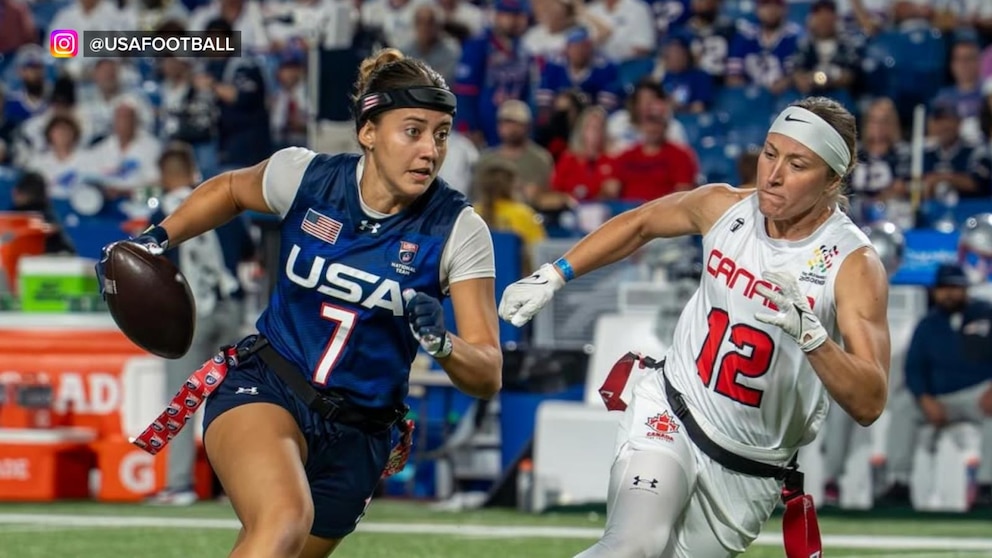

Flag Football is Coming to the Olympics: A New Era for the Sport
A Historic Moment for Flag Football
After years of advocacy and growing global popularity, flag football has officially secured its place on the world’s biggest sporting stage. The International Olympic Committee has approved flag football as an official sport for the 2028 Summer Olympics in Los Angeles, marking a monumental achievement for a game that has evolved from casual backyard recreation to a legitimate competitive discipline. This decision represents not just a victory for flag football enthusiasts, but also a significant shift in how the Olympics are adapting to include more accessible, inclusive, and globally appealing sports. The inclusion of flag football demonstrates the Olympic movement’s commitment to staying relevant with younger audiences and embracing sports that emphasize skill, strategy, and athleticism without the same physical toll as their full-contact counterparts. For millions of players around the world who have dedicated themselves to mastering this version of American football, the 2028 Olympics will provide unprecedented recognition and validation of their sport. The journey to Olympic inclusion has been long and required tremendous effort from organizations like the International Federation of American Football (IFAF) and USA Football, who have worked tirelessly to develop international competitions, standardize rules, and build the infrastructure necessary for Olympic-level competition. This achievement also opens doors for future generations of athletes who may now aspire to represent their countries on the Olympic stage in a sport that combines the strategic complexity of traditional football with unique demands that make flag football a distinct athletic pursuit.
Why Flag Football Makes Perfect Sense for the Olympics
The decision to include flag football in the Olympics reflects several practical and strategic considerations that make it an ideal fit for the Games. Unlike tackle football, which requires extensive protective equipment, large rosters, and specialized facilities, flag football is relatively simple to organize and can be played with minimal gear on standard field configurations. This accessibility has been crucial in the sport’s international growth, as countries without established American football traditions can develop competitive teams much more quickly in the flag football format. The game’s emphasis on speed, agility, and quick decision-making rather than size and collision creates a different type of athletic showcase that appeals to diverse body types and skill sets. From a logistical standpoint, flag football games are shorter and require fewer players than tackle football, making it feasible to conduct a meaningful tournament within the Olympics’ tight scheduling constraints. The sport also aligns perfectly with the Olympics’ increasing focus on gender equity, as flag football has strong participation among women and the Olympic tournament will feature both men’s and women’s competitions with equal status. Additionally, the reduced injury risk compared to tackle football addresses concerns about athlete safety that have become increasingly important to Olympic organizers, sponsors, and host cities. The visual excitement of the game, with its emphasis on open-field running, precise passing, and defensive plays that require pulling flags rather than tackling, translates well to television and streaming platforms, which is essential for sports hoping to maximize their Olympic exposure and grow their global audience.
The Growth and Global Expansion of Flag Football
Flag football’s path to the Olympics has been paved by remarkable growth in participation and competitive play across the world. What began primarily as an American recreational activity has transformed into an international sport with organized leagues, national federations, and world championship competitions in dozens of countries. The NFL’s strategic investment in flag football as a development tool has significantly accelerated this expansion, with the league supporting youth programs, coaching education, and international tournaments that have introduced the sport to regions where traditional American football had little presence. In countries across Europe, Asia, Latin America, and Africa, flag football has found enthusiastic audiences among young people drawn to the fast-paced action and the opportunity to engage with American sports culture in an accessible format. Women’s flag football, in particular, has experienced explosive growth, with participation rates in some countries exceeding those of men and creating a pipeline of elite athletes who now have Olympic dreams within reach. High schools and colleges have increasingly added flag football programs, particularly for female students, recognizing the sport as an opportunity to expand athletic offerings without the infrastructure investment required for tackle football. International competitions like the IFAF Flag Football World Championships have steadily grown in quality and competitiveness, demonstrating that the talent pool extends far beyond the United States. This global development has been essential to Olympic inclusion, as the IOC requires sports to show genuine international participation rather than domination by one or two countries. The fact that multiple nations now field competitive teams capable of challenging for medals has proven that flag football has achieved the global footprint necessary for Olympic status.
What Olympic Flag Football Will Look Like
While specific details continue to be finalized, the Olympic flag football competition will feature both men’s and women’s tournaments with formats designed to maximize excitement and accessibility for global audiences. Teams will likely compete in a 5-on-5 format, which has become the international standard and provides the right balance between strategic complexity and fast-paced action. The tournament structure will probably include preliminary rounds followed by medal playoffs, similar to other team sports in the Olympics, allowing multiple nations to participate while ensuring that the best teams advance to compete for gold, silver, and bronze medals. The United States will naturally be considered a favorite in both competitions given the country’s deep football culture and extensive flag football infrastructure, but several other nations have developed strong programs that could legitimately challenge for medals. Mexico, Canada, and several European nations have invested heavily in flag football development and have produced talented athletes who excel in international competition. The women’s tournament may be particularly competitive, as countries like Austria, Italy, and others have built robust women’s programs that have performed well in world championships. Game rules will likely follow international standards established by the IFAF, with some potential modifications to accommodate the Olympic format and television broadcast requirements. The competition will showcase athletes who combine the route-running precision of wide receivers, the arm talent of quarterbacks, the coverage skills of defensive backs, and the open-field agility that flag football emphasizes, all without the collisions that define tackle football. For fans and newcomers alike, Olympic flag football will provide an accessible introduction to American football concepts while highlighting the unique skills that make flag football its own distinct sport.
The Impact on American Football Culture and the NFL
The inclusion of flag football in the Olympics represents a significant opportunity for the NFL and American football culture to expand their global influence in ways that tackle football never could. The NFL has recognized that while tackle football faces barriers to international growth—including safety concerns, equipment costs, and cultural unfamiliarity with the game—flag football offers a more accessible entry point for international audiences. By supporting flag football’s Olympic bid and investing in its global development, the NFL is essentially planting seeds for long-term international growth and fan engagement. The Olympics will provide unprecedented exposure for football concepts, rules, and culture to billions of viewers worldwide, many of whom have limited experience with the sport. This exposure could translate into increased international viewership for NFL games, greater interest in American football content, and expanded markets for NFL merchandise and partnerships. For young athletes around the world, seeing flag football in the Olympics may inspire participation in the sport and create pathways into football culture that could eventually lead to tackle football interest or fandom. The Olympics could also elevate flag football within the United States, potentially accelerating its growth as a high school and youth sport, particularly for girls and women. Some traditionalists worry that promoting flag football might dilute tackle football’s cultural importance, but most analysts see the sports as complementary rather than competitive, with flag football serving as both a feeder system and an alternative version that appeals to different participants and audiences. The involvement of NFL players in Olympic flag football competitions remains an open question that could significantly impact the tournament’s profile—having recognizable NFL stars represent their countries would generate enormous publicity, though it might also raise competitive balance concerns if only the United States could field such talent.
Looking Ahead to Los Angeles 2028 and Beyond
As the 2028 Los Angeles Olympics approach, the flag football community faces both exciting opportunities and significant challenges in preparing for this historic moment. National federations around the world must develop high-performance programs, identify and train elite athletes, and create competitive pathways that can produce Olympic-caliber teams within the next few years. For the United States, hosting the Olympics while introducing flag football creates unique pressure and opportunity to showcase the sport on home soil and potentially claim the first-ever Olympic gold medals in the discipline. The lead-up to 2028 will likely see increased investment in flag football at all levels, from youth development programs aimed at identifying future Olympians to elite training centers focused on international competition preparation. Broadcasting and media coverage of flag football will expand as networks and streaming platforms recognize the sport’s new Olympic status and its appeal to younger demographics. Sponsorship opportunities will grow as brands seek association with a sport on an upward trajectory with strong youth appeal and gender-inclusive participation. Beyond 2028, flag football’s future in the Olympics will depend on the success of its debut—strong attendance, compelling competition, positive media coverage, and demonstrated global competitiveness will be essential for securing a permanent place in future Olympic programs. The sport may also benefit from the Olympics’ increasingly flexible approach to its program, which now more readily adds and removes sports based on host city interests and global trends. For the countless players, coaches, and advocates who have worked to develop flag football into a legitimate competitive sport, the 2028 Olympics represent validation of their efforts and a launching pad for even greater growth and recognition in the years to come.