



California Lawsuit Accuses Italian Tomato Company of Deceiving Consumers
The Allegations of “Tomato Fraud”
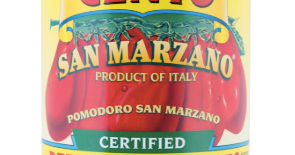
Two California residents have taken legal action against Cento Fine Foods, a well-known food manufacturer, claiming the company has been misleading consumers about the authenticity of its canned tomatoes. The heart of the lawsuit revolves around what the plaintiffs are calling “tomato fraud” – the practice of labeling tomatoes as genuine San Marzano variety from Italy when they allegedly don’t meet the authentic standards. The complainants argue that Cento’s “Certified San Marzano” labeling is deliberately deceptive and unfair to consumers who believe they’re purchasing premium Italian tomatoes with specific quality characteristics and distinctive taste. This case highlights a growing concern in the food industry about product authenticity and transparency, particularly when it comes to specialty items that command premium prices based on their geographic origin and traditional production methods.
What Makes San Marzano Tomatoes Special
To understand why this lawsuit matters, it’s important to know what makes San Marzano tomatoes so prized in the culinary world. These tomatoes come from a specific town called San Marzano in the Campania region of southern Italy, and they’ve earned a legendary reputation among chefs and home cooks alike. According to Cento’s own website, these tomatoes possess unique characteristics that set them apart from ordinary varieties: they have thicker tomato walls, contain fewer seeds, and exhibit less acidity than standard tomatoes. These qualities make them particularly well-suited for authentic Italian cooking, especially for creating rich, smooth sauces that have made Italian cuisine famous worldwide. The volcanic soil near Mount Vesuvius, where traditional San Marzano tomatoes are grown, contributes to their distinctive sweet flavor and meaty texture. Genuine San Marzano tomatoes are so valued that they’re protected by strict regulations, much like fine wines or authentic champagne, which brings us to the crux of the legal dispute.
The Certification Controversy
The lawsuit centers on a critical distinction between two types of certification. Cento Fine Foods, based in New Jersey, claims on its website that its San Marzano tomatoes are certified by an independent third-party agency called Agri-Cert. However, the plaintiffs argue that Cento’s labeling creates the impression that their product carries an official DOP designation – which stands for “Denominazione di Origine Protetta” or “protected designation of origin” in English. This DOP certification is granted exclusively by Il Consorzio di Tutela del Pomodoro San Marzano DOP, an Italian consortium specifically established to promote and regulate the sale of authentic San Marzano tomatoes. The consortium ensures that tomatoes bearing the DOP seal meet strict production and quality standards, from the specific geographic area where they’re grown to the traditional methods used in cultivation and processing. The lawsuit alleges that Cento’s label designs are intentionally crafted to give consumers the false impression that their tomatoes have received this prestigious Italian consortium certification, when in fact they may only have certification from a different organization with potentially less stringent standards.
Cento’s Defense and Company Claims
Cento Fine Foods has not immediately responded to requests for comment about the lawsuit, but the company has made strong claims about its San Marzano tomato products on its website. The manufacturer asserts that it is the only U.S. company with an actual production facility located in the Campania region of southern Italy, suggesting a direct connection to the authentic source of San Marzano tomatoes. Furthermore, Cento has implemented what appears to be a transparency measure: customers can supposedly trace the exact field where their tomatoes were grown by scanning the lot code printed on their can. This farm-to-table tracking system would seem to demonstrate confidence in their supply chain and product authenticity. The company’s website emphasizes the special qualities of San Marzano tomatoes and their importance in Italian cuisine, which shows they understand the value consumers place on these specific tomatoes. However, the lawsuit questions whether these marketing claims and quality assurances actually translate to genuine San Marzano DOP tomatoes in the cans, or whether consumers are paying premium prices for something that doesn’t quite meet the authentic standards they expect.
A Pattern of Legal Challenges
This isn’t the first time Cento Fine Foods has faced legal scrutiny over its San Marzano tomato products. A previous lawsuit filed in New York in 2019 raised similar concerns, alleging that the manufacturer doesn’t actually produce as many San Marzano tomatoes as it claims to sell. This earlier legal challenge suggests a pattern of consumer skepticism about the company’s tomato authentication practices. The fact that multiple lawsuits have been filed in different states indicates this may be more than just isolated complaints from particularly picky consumers – it could represent a broader issue with how specialty food products are marketed and labeled in the United States. The recurring nature of these legal challenges also raises questions about regulatory oversight in the specialty food industry and whether current labeling laws adequately protect consumers from potentially misleading claims about product origins and authenticity. For Cento, these repeated legal battles could damage the company’s reputation even if they successfully defend against the allegations, as the mere existence of multiple lawsuits creates doubt in consumers’ minds about product authenticity.
Implications for Consumers and the Food Industry
This lawsuit has implications that extend far beyond one company’s tomato products. It touches on fundamental questions about food labeling, consumer trust, and the value of geographic authenticity in specialty foods. When consumers pay premium prices for products labeled as authentic San Marzano tomatoes – which can cost two to three times more than regular canned tomatoes – they’re making purchasing decisions based on expectations about quality, taste, and traditional production methods. If those expectations aren’t met because the labeling is misleading, it represents not just a financial loss but a betrayal of consumer trust. The case also highlights the challenges of enforcing European protected designation systems in American markets, where regulatory frameworks may be different and enforcement more difficult. For the broader food industry, this lawsuit serves as a reminder of the importance of transparent, accurate labeling, particularly for specialty products that command premium prices based on their origins. As consumers become increasingly interested in food provenance and authenticity, companies that blur the lines between genuine certification and marketing claims may find themselves facing similar legal challenges. The outcome of this case could set important precedents for how specialty food products can be marketed in the United States and what level of proof companies must provide when making claims about geographic authenticity and traditional production methods.