


Apple’s Siri Settlement: What iPhone Owners Need to Know About Their Potential $95 Payment
The Lawsuit and Settlement Explained
Apple is facing a significant legal challenge that could result in hundreds of thousands of iPhone owners receiving compensation for what has been described as misleading advertising about Siri’s capabilities. A proposed $250 million class-action settlement has been filed in federal court in the Northern District of California, addressing claims that the tech giant deceived its customers by promoting artificial intelligence features in Siri that weren’t actually available at the time of purchase. The lawsuit specifically alleges that Apple advertised “Enhanced Siri features” that did not yet exist, influencing consumers to buy newer iPhone models based on promises that hadn’t been fulfilled. This settlement, if approved by a judge, would be one of the largest financial settlements involving Apple in recent years, reflecting the seriousness of the allegations and the number of affected customers.
The case represents a broader conversation about transparency in tech marketing, particularly as companies rush to integrate artificial intelligence features into their products. Apple, which has built its reputation on innovation and user experience, now finds itself in the position of having to compensate customers who felt misled about one of its signature features. An Apple spokesperson responded to the allegations by stating that the company “has reached a settlement to resolve claims related to the availability of two additional features” and emphasized that Apple resolved the matter to “stay focused on doing what we do best, delivering the most innovative products and services to our users.” This statement suggests that Apple is choosing to settle rather than engage in a prolonged legal battle, allowing the company to move forward without admitting wrongdoing while still providing compensation to affected customers.
Who Qualifies for the Settlement
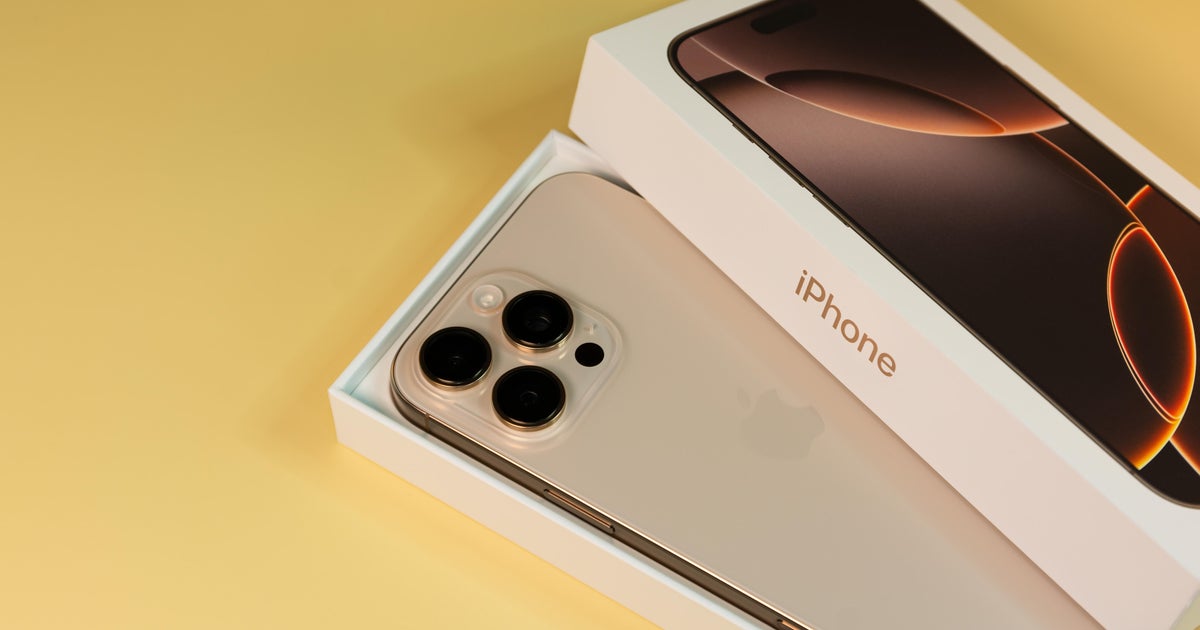
If you’re wondering whether you’re eligible for this settlement, the criteria are quite specific. The settlement covers customers who purchased certain iPhone models during a particular timeframe, specifically the iPhone 16 series, iPhone 15 Pro, or iPhone 15 Pro Max between June 10, 2024, and March 29, 2025. According to court documents, approximately 37 million iPhone owners fall within these parameters, making this one of the most widely applicable settlements in Apple’s history. The sheer number of eligible customers demonstrates just how many people purchased these premium iPhone models during the specified period, expecting the advanced Siri features that Apple had promoted in its marketing campaigns.
The notification process for eligible customers will be comprehensive, ensuring that as many affected individuals as possible are aware of their right to file a claim. If you purchased one of the qualifying iPhone models during the eligible time period, you should receive notification through either email or traditional mail. Additionally, the court filing indicates that an online social media campaign will be launched to spread information about the settlement website and eligibility requirements, recognizing that many iPhone users are active on social platforms and may be reached more effectively through these channels. This multi-pronged approach to notification reflects the modern reality of consumer communication and ensures that eligible customers have multiple opportunities to learn about their potential compensation.
Understanding Your Potential Compensation
The financial structure of this settlement is designed to ensure fair distribution among all eligible claimants while remaining within the overall $250 million framework. Initially, each eligible customer will receive $25 per qualifying device they purchased during the specified timeframe. However, this isn’t necessarily the final amount you’ll receive. The actual payment could vary based on several factors, primarily the total number of claims submitted. If fewer people file claims than anticipated, individual payments could increase, potentially reaching the maximum of $95 per device. Conversely, if more claims are filed, payments might decrease, though they would remain above the initial $25 baseline. This variable payment structure is common in class-action settlements, as it’s impossible to predict exactly how many eligible individuals will actually submit claims.
The $95 maximum per device represents a significant acknowledgment of the value of consumer trust and the potential impact of misleading marketing on purchasing decisions. For customers who purchased multiple eligible devices during the timeframe—perhaps upgrading phones for family members or replacing a lost phone—the compensation could be even more substantial. The settlement amount reflects not just the potential financial harm to consumers, but also serves as a deterrent against similar marketing practices in the future. It’s worth noting that these payments are designed to compensate for the difference between what was promised and what was delivered, rather than representing a full refund of the purchase price.
How to File Your Claim
While the settlement has been proposed and filed with the court, the specific process for filing claims hasn’t been fully established yet. The Clarkson Law Firm, which originally filed the lawsuit against Apple, has indicated on its website that a dedicated settlement website containing all the necessary details will be available “in a few weeks.” This website will serve as the central hub for all information related to the settlement, including comprehensive instructions on how to file a claim, deadlines for submission, and documentation requirements. Patience will be necessary as the legal and administrative infrastructure is put in place to handle what could potentially be millions of individual claims.
According to the court filing, the forthcoming settlement website will include all the information necessary for consumers to understand the settlement and their rights, as well as provide a phone number that consumers can call if they have questions. This dual approach—online resources for those who prefer digital interaction and phone support for those who need direct assistance—ensures accessibility for all eligible customers regardless of their comfort level with technology. When the website launches, you’ll likely need to provide proof of purchase for your eligible iPhone, such as a receipt, order confirmation, or perhaps verification through your Apple ID account that shows when and which model you purchased. It’s advisable to start gathering this documentation now if you believe you’re eligible, as having it ready will streamline the claims process once it opens.
The Broader Context of Tech Marketing and Consumer Rights
This settlement represents more than just a financial transaction between Apple and its customers—it speaks to larger issues about how technology companies market emerging features, particularly those involving artificial intelligence. As AI becomes increasingly central to smartphone functionality and marketing, the line between aspirational features and available capabilities can sometimes become blurred. Companies understandably want to generate excitement about upcoming innovations, but consumers have the right to accurate information about what features actually exist at the time of purchase versus what might be coming in future updates. This settlement could establish important precedents about truth in advertising in the technology sector, particularly regarding AI capabilities that may be technically possible but not yet fully implemented.
The case also highlights the importance of class-action lawsuits in holding major corporations accountable when individual consumers lack the resources to challenge misleading practices on their own. While $25 to $95 per person might seem modest compared to the price of an iPhone, the cumulative $250 million settlement sends a clear message about the costs of misleading marketing. For consumers, this case serves as a reminder to research product features carefully, read reviews beyond the official marketing materials, and understand that some advertised features—especially those marked as “coming soon” or “enhanced”—may not be available immediately. It also reinforces the value of keeping purchase documentation, as you never know when you might be eligible for compensation through a settlement like this one.
Looking Ahead: What Happens Next
The settlement still requires approval from a federal judge before any payments can be made, so there are still several steps before eligible iPhone owners will see compensation. The court will need to review the proposed settlement to ensure it’s fair to consumers and appropriately addresses the alleged wrongdoing. There will likely be a period for objections, during which eligible class members can voice concerns if they believe the settlement is inadequate. Assuming the judge approves the settlement without major modifications, the claims process will then begin in earnest. The entire process from approval to actual payments could take several months, so eligible customers should be prepared for a waiting period even after filing their claims.
For now, if you purchased an iPhone 16, iPhone 15 Pro, or iPhone 15 Pro Max between June 10, 2024, and March 29, 2025, keep an eye on your email and mailbox for official notifications about the settlement. Watch for announcements about the settlement website launch, which should occur within the next few weeks according to the Clarkson Law Firm. Make sure to file your claim once the process opens, as there will undoubtedly be deadlines that must be met to receive compensation. This settlement serves as both an opportunity for affected customers to receive compensation and a broader reminder about the importance of accurate marketing in the technology industry, particularly as AI features become increasingly central to how these products are sold and used.