


Gas Prices Surge as Middle East Conflict Disrupts Global Oil Supply
Rising Costs at the Pump Hit American Consumers
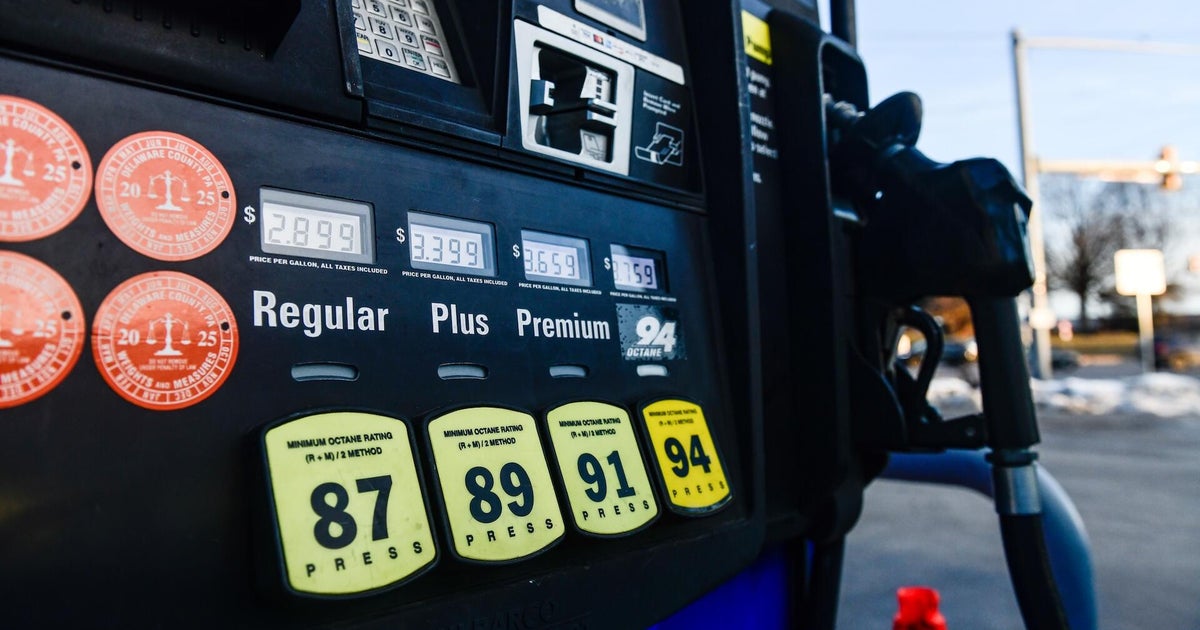
Americans are feeling the pinch at gas stations across the country as fuel prices continue their upward climb, driven by escalating tensions in the Middle East that have effectively shut down one of the world’s most critical oil shipping routes. On Monday, the average price for a gallon of gasoline reached $3.72, marking a slight increase from Sunday’s $3.70. More alarmingly for consumers, this represents a jump of nearly 79 cents per gallon compared to prices just one month ago, according to data from AAA. This dramatic increase is directly tied to the ongoing conflict involving Iran and the resulting closure of the Strait of Hormuz, a narrow waterway that serves as a vital artery for global energy supplies. For everyday Americans, this means higher costs not just at the pump, but potentially across all sectors of the economy as businesses face increased transportation and energy expenses that often get passed along to consumers.
Oil Markets React to Geopolitical Uncertainty
The international oil markets have been in turbulent waters since hostilities began, with Brent crude—the global benchmark for oil prices—hovering above the psychologically significant $100 per barrel mark. On Monday, Brent crude slipped about 2.4% to settle at $101.93 per barrel, offering some relief after recent highs. Meanwhile, West Texas Intermediate, the benchmark for U.S. crude oil, experienced a more pronounced decline of 4.1%, falling to $94.62 per barrel. This came after touching $102 earlier in the morning, temporarily easing some economic pressure. The volatility in oil prices reflects the uncertainty surrounding the conflict and its impact on global supply chains. Oil prices have been on a steep upward trajectory from approximately $70 per barrel since the United States and Israel launched their military operations against Iran. In retaliation, Iran has targeted energy infrastructure throughout the Persian Gulf region using drones and missiles, creating a dangerous cycle of escalation that has energy markets on edge and traders watching every development closely.
Economic Consequences of a Closed Strait
The closure of the Strait of Hormuz has created a ripple effect throughout the global economy that extends far beyond just higher gas prices. With traffic through this critical waterway effectively halted, oil producers face a serious dilemma—they’re being forced to cut production because their crude oil literally has nowhere to go. The strait normally handles about one-fifth of the world’s oil supply, making its closure a significant disruption to global energy markets. Financial markets are increasingly worried that if the Strait remains closed for an extended period, it could remove enough oil from global markets to drive inflation to dangerously high levels, potentially crippling economic growth worldwide. Nigel Green, CEO of deVere Group, captured the broader concern in a March 13 email, noting that “every escalation in the Middle East pushes energy prices higher.” He emphasized that “energy costs ripple through every layer of the economy. They squeeze businesses, erode consumer spending power and push inflation higher at the same time.” This interconnected impact means that even people who don’t drive regularly will likely feel the effects through higher prices for goods and services across the board.
Wall Street Shows Resilience Despite Uncertainty
Despite the turmoil in energy markets, Wall Street demonstrated its characteristic resilience on Monday, with stocks bouncing back as oil prices retreated slightly from their morning highs. The S&P 500 rose 89 points, or 1.3%, reaching 6,720.75 in morning trading, while the Dow Jones Industrial Average climbed 1.2% and the technology-heavy Nasdaq composite jumped 1.5%. This positive market movement reflects a historical pattern—U.S. stock markets have typically recovered relatively quickly from military conflicts in the Middle East and other regions, provided that oil prices don’t remain elevated for extended periods. Many professional investors and market analysts are betting that history will repeat itself this time around. Paul Christopher, head of global investment strategy at Wells Fargo Investment Institute, suggested that while escalations have been mounting rapidly, this could actually indicate “both sides are facing growing constraints that may prevent a long conflict.” Despite all the dramatic swings and daily volatility, it’s worth noting that the S&P 500 remains only about 4% below its all-time high, suggesting that investors maintain a degree of optimism about the overall economic outlook even amid the current geopolitical tensions.
International Response and Political Tensions
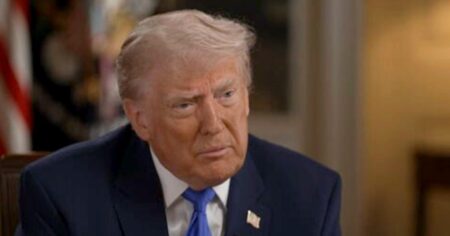
The diplomatic front has become increasingly complex as President Trump over the weekend issued a pointed demand that other countries affected by the Strait of Hormuz closure should “take care of that passage,” while promising that the United States “will help – A LOT!” This statement has created tension with European allies, who are demanding more information about Trump’s plans for the conflict with Iran and when the hostilities might end before committing to his call for international assistance. The situation became more contentious when White House Press Secretary Karoline Leavitt was questioned by CBS News’ Nancy Cordes about why other countries should respond to Trump’s call to help safeguard ships in the Strait of Hormuz, given that these nations weren’t consulted about or involved in the U.S. and Israeli strikes on Iran that triggered the current war. Leavitt defended the administration’s position by arguing that “these other countries are benefiting greatly from the United States military taking out the threat of Iran,” emphasizing that “the rogue Iranian regime has long not just posed a threat to the United States of America, but of course, to our Gulf and Arab partners in the region.”
Uncertain Path Forward
As the situation continues to develop, significant questions remain about how the crisis will be resolved and what the long-term implications might be for global energy markets and international relations. Leavitt notably declined to reveal what contingency plans the White House might be developing to address Iran’s threat to shipping in the Strait of Hormuz if other countries decide not to participate in efforts to reopen the vital waterway. This lack of clarity adds another layer of uncertainty to an already volatile situation. For ordinary Americans, the immediate concern remains the price at the pump and the potential for broader economic impacts if the situation doesn’t improve soon. Energy analysts and economists will be watching closely to see whether diplomatic efforts can de-escalate the conflict and reopen the Strait of Hormuz before the economic damage becomes more severe. The coming weeks will be critical in determining whether this crisis follows the historical pattern of Middle Eastern conflicts that resolve relatively quickly, or whether it represents a more prolonged disruption that could have lasting effects on inflation, economic growth, and global stability. What’s certain is that the interconnected nature of global energy markets means that events in the Middle East have immediate and tangible effects on household budgets and economic conditions around the world.