


Global Energy Crisis: Nations Release Emergency Oil Reserves Amid Iran Conflict
Historic International Response to Energy Security Threats
In an unprecedented move to stabilize global energy markets, Germany and Austria announced Wednesday their decision to tap into their strategic oil reserves following a critical request from the International Energy Agency (IEA). This action comes as part of a coordinated international effort that involves the release of a staggering 400 million barrels of oil – more than double the previous record set during the 2022 Russian invasion of Ukraine. The urgency of this decision reflects the gravity of the current situation in the Middle East, where escalating tensions involving Iran have created serious disruptions to global oil supplies. Japan has also joined this coordinated response, confirming it will begin releasing portions of its reserves starting Monday. This collective action represents the largest emergency oil stock release in the history of the IEA, signaling to markets and consumers worldwide that major economies are taking decisive steps to prevent catastrophic energy price increases that could cripple economies and hurt everyday people struggling with the cost of living.
The Crisis in the Persian Gulf and Its Global Impact
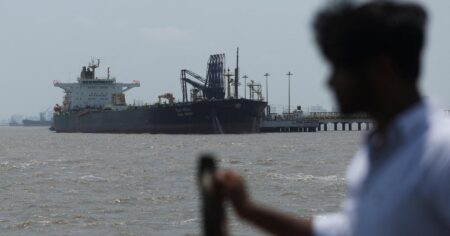
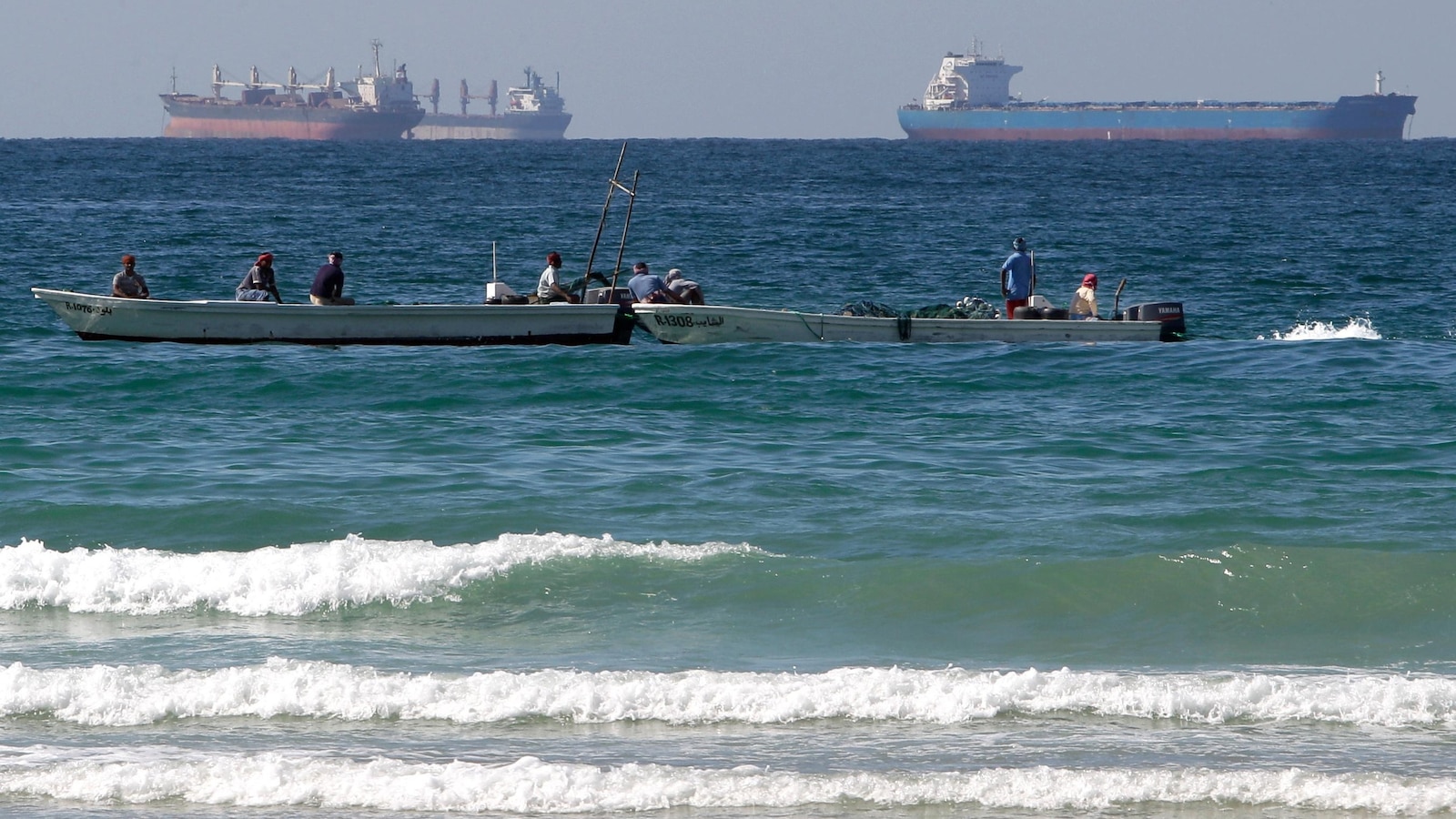
The catalyst for this extraordinary release of emergency reserves is a rapidly deteriorating security situation in the Persian Gulf region, one of the world’s most critical energy chokepoints. Iran, responding to strikes by the United States and Israel, has launched a comprehensive campaign targeting commercial shipping throughout the Persian Gulf, effectively weaponizing the region’s oil infrastructure to apply maximum economic pressure on its adversaries. Most concerning is Iran’s actions in the Strait of Hormuz, a narrow waterway through which approximately one-fifth of the world’s oil supply normally flows on its journey from the Persian Gulf to the Indian Ocean and beyond. Iranian forces have essentially brought cargo traffic through this vital passage to a standstill, creating an immediate supply crisis that has sent shockwaves through global energy markets. Beyond blocking shipping lanes, Iran has also directly targeted oil production facilities and refineries in neighboring Gulf Arab nations, deliberately attempting to generate widespread economic disruption that will force the United States and Israel to reconsider their military operations. Adding to the alarm, reports have emerged of sea mines allegedly placed by Iranian forces in the Strait of Hormuz, further threatening the security of international energy supplies and raising the specter of even more dangerous confrontations in these congested waters.
Coordinated International Decision-Making
The decision to release these massive quantities of oil reserves didn’t happen in isolation but resulted from intensive consultation among the world’s major economies. On Tuesday, energy ministers from the Group of Seven nations – representing some of the world’s largest and most advanced economies – convened at IEA headquarters in Paris for emergency discussions. IEA Executive Director Fatih Birol indicated afterward that all available options were thoroughly examined, including the possibility of making emergency oil stocks available to markets to help stabilize prices and ensure adequate supply. The ministers announced their support “in principle” for proactive measures to address the crisis, specifically mentioning the use of strategic reserves as a key tool in their response arsenal. This coordinated approach is crucial because unilateral actions by individual nations would have limited impact on global markets, whereas a synchronized release of hundreds of millions of barrels sends a powerful signal that can help moderate panic buying and speculative price increases. According to IEA data, member countries currently maintain over 1.2 billion barrels in public emergency oil stocks, with an additional 600 million barrels held by industry under government mandate, providing substantial cushion against supply disruptions.
National Responses and Protective Measures
While the exact volumes being released by Germany and Austria weren’t immediately specified, both countries’ officials emphasized their commitment to the collective response. Germany’s Economy Minister Katherina Reiche noted that the IEA’s request called for releasing oil reserves totaling 400 million barrels, equivalent to approximately 54 million tons of oil. She explained that it would take several days before the first quantities could actually be delivered to markets, a timeline that reflects the logistical complexities of moving such massive volumes of oil from storage facilities to refineries and distribution networks. Minister Reiche stressed that “Germany stands behind the IEA’s most important principle of mutual solidarity,” framing the decision as not just economically necessary but morally imperative in supporting allies facing energy insecurity. Austria’s Economy Minister Wolfgang Hattmannsdorfer announced his country would release portions of its emergency oil reserve while also extending the national strategic gas reserve as an additional precautionary measure. He pointedly stated that “in a crisis, there must be no crisis winners at the expense of commuters and businesses,” a reference to concerns about energy companies potentially exploiting the situation to generate excessive profits while ordinary citizens struggle with dramatically higher fuel costs.
Price Control Measures to Protect Consumers
Beyond releasing strategic reserves, both Germany and Austria are implementing innovative price control mechanisms designed to prevent fuel retailers from taking advantage of the crisis through excessive or manipulative pricing practices. The German government announced plans to introduce regulations limiting gas stations to raising fuel prices no more than once per day, a measure intended to bring transparency and predictability to a market that consumers often perceive as opaque and prone to sudden, inexplicable price jumps. Economy Minister Reiche indicated the government wants to implement this restriction as quickly as possible, recognizing that families and businesses need protection from price volatility during this uncertain period. Austria is taking an even more restrictive approach, with price increases at gas stations to be permitted only three times per week starting Monday. These measures reflect a pragmatic understanding that releasing strategic reserves, while essential for maintaining overall supply, won’t automatically protect consumers from price gouging or panic-driven pricing if retailers can freely adjust prices multiple times daily in response to news headlines or competitor actions. By limiting the frequency of price changes, governments hope to stabilize the retail fuel market and give consumers more confidence that they won’t face dramatically different prices from one hour to the next.
The Broader Context and Future Implications
The current crisis represents a sobering reminder of how global energy security remains vulnerable to geopolitical conflicts, particularly in regions that serve as critical nodes in the international energy infrastructure. The fact that this coordinated release involves 400 million barrels – compared to the 182.7 million barrels released following Russia’s 2022 invasion of Ukraine, previously the largest emergency deployment – underscores how seriously governments are taking the current threat to energy supplies. According to IEA assessments, export volumes of crude oil and refined products from the affected region have plummeted to less than 10% of pre-war levels, a catastrophic decline that, without intervention, would almost certainly have triggered economic recession across energy-importing nations. The measures being implemented by Germany, Austria, Japan, and presumably other IEA member nations represent a critical test of the international energy security architecture built up over decades following the oil shocks of the 1970s. Whether these emergency reserves prove sufficient to weather an extended disruption in Persian Gulf supplies remains to be seen and will depend heavily on the duration and intensity of the conflict between Iran and Western powers. What’s clear is that governments understand the stakes: uncontrolled energy price spikes don’t just inconvenience consumers at the gas pump but threaten to trigger broader economic instability, increase inflation, reduce consumer spending power, and potentially push vulnerable economies into recession. The coming weeks will reveal whether this unprecedented coordinated release can successfully temper market panic and keep the global economy functioning while diplomatic efforts continue to seek a resolution to the underlying conflict.