

Kentucky Derby Champion Golden Tempo Opts Out of Preakness Stakes
A Strategic Decision for the Young Champion’s Future
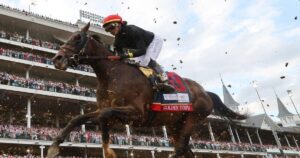
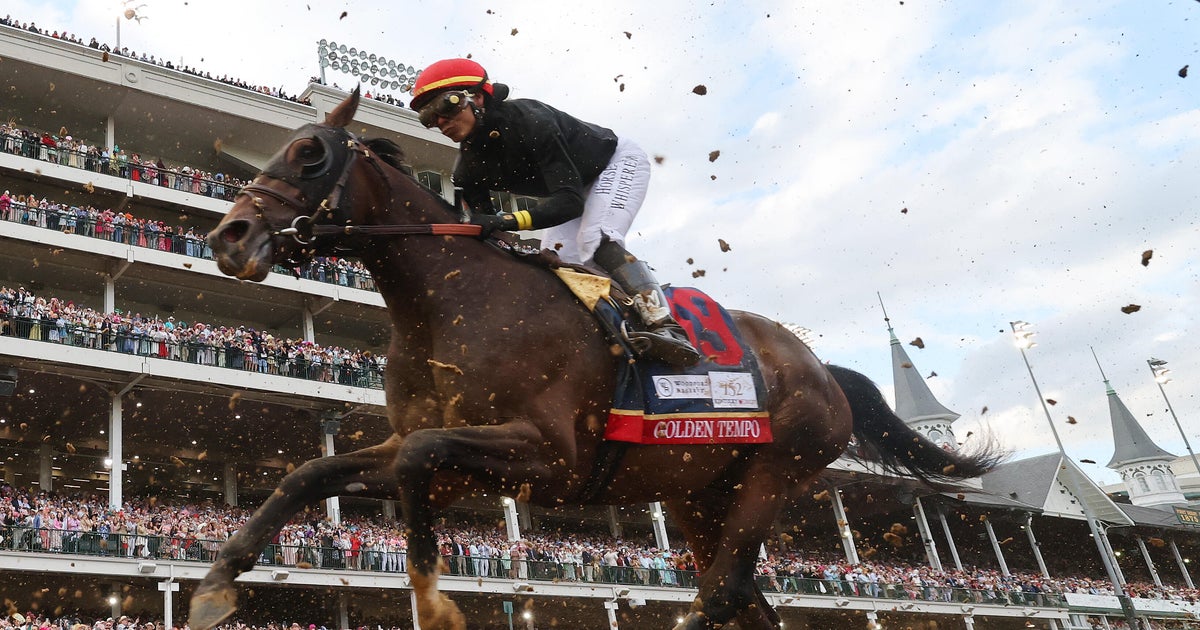
In a decision that has sent ripples through the horse racing world, Golden Tempo, the thrilling winner of the 152nd Kentucky Derby, will not be competing in the upcoming Preakness Stakes. The announcement came Wednesday from the stable of his trainer, Cherie DeVaux, who made her own piece of history as the first woman ever to train a Kentucky Derby winner. The statement emphasized that this wasn’t a decision made lightly, but rather one centered entirely on the well-being of the young champion. “Golden gave us the race of a lifetime in the Kentucky Derby, and we believe the best decision for him moving forward is to give him a little more time following such a tremendous effort,” the stable’s social media announcement read. The team made it crystal clear that their priorities lie not in chasing glory or making history, but in ensuring the horse’s health, happiness, and long-term future remain paramount. This human approach to horse racing, where the animal’s welfare takes precedence over the pursuit of the prestigious Triple Crown, reflects an evolving consciousness in the sport about the physical demands placed on these magnificent athletes.
The Triple Crown Dream Deferred
The Triple Crown of horse racing represents one of the most challenging achievements in all of sports. This legendary series consists of three grueling races: the Kentucky Derby at Churchill Downs in Louisville, Kentucky; the Preakness Stakes in Maryland; and the Belmont Stakes in New York. What makes this feat so difficult isn’t just winning three races—it’s winning three races in quick succession, each with different distances and conditions, all while the horse is still a three-year-old. The physical and mental demands are extraordinary, which is why the Triple Crown has been achieved only 13 times in history, with the most recent winner being Justify in 2018. Golden Tempo’s withdrawal from the Preakness means that 2025 will mark yet another year without a Triple Crown winner, extending what has now become a seven-year drought. However, the decision also reflects a growing understanding in the racing community that pushing young horses too hard, too fast, can have long-term consequences. The stable’s choice to give Golden Tempo additional recovery time after his come-from-behind victory at Churchill Downs shows a commitment to sustainable success rather than the pursuit of immediate glory.
Trainer DeVaux’s Historic Achievement and Thoughtful Approach
Cherie DeVaux’s victory at the Kentucky Derby wasn’t just another win—it was a groundbreaking moment that shattered one of horse racing’s most enduring glass ceilings. As the first woman to train a Derby winner in the race’s 152-year history, DeVaux has already secured her place in the sport’s record books. Her approach to training has been characterized by a deep sensitivity to her horses’ needs and conditions, and this latest decision exemplifies that philosophy. Just days after the Derby, DeVaux had told CBS News that she would let Golden Tempo himself make the decision about the Preakness, depending on his energy levels after a few days of rest. This isn’t the language of someone obsessed with records and accolades; it’s the approach of a horsewoman who understands that these animals are individuals with their own physical limits and needs. By listening to what Golden Tempo was telling her through his behavior and recovery, DeVaux demonstrated the kind of intuitive, compassionate training that may well represent the future of the sport. Her willingness to forego a chance at Triple Crown glory in favor of her horse’s well-being sends a powerful message about priorities and the responsible stewardship of these remarkable animals.
A Growing Trend of Derby Winners Skipping the Middle Jewel
Golden Tempo’s decision to bypass the Preakness Stakes isn’t an isolated incident—it’s actually part of an emerging pattern in recent years. He becomes the second consecutive Kentucky Derby winner to skip the Preakness, following in the footsteps of last year’s Derby champion, Sovereignty, who also opted out of the middle jewel of the Triple Crown before going on to win the Belmont Stakes. This trend suggests that trainers and owners are becoming increasingly strategic about how they manage their horses’ racing schedules, prioritizing long-term health and performance over the traditional Triple Crown pursuit. Looking back at recent history, the challenges of the Triple Crown are evident: in 2024, Mystik Dan’s attempt ended with a second-place finish at the Preakness, while 2023’s Derby winner, Mage, managed only a third-place finish at Baltimore’s Pimlico Race Course. These results underscore the enormous difficulty of winning all three races and may be influencing more teams to take a selective approach. The extra rest period allows horses to recover more fully from the tremendous exertion of the Derby, potentially setting them up for better performance in later races and, perhaps more importantly, for longer, healthier careers beyond their three-year-old season.
Looking Ahead to the Belmont Stakes
While Golden Tempo won’t be competing in next week’s Preakness, his racing career is far from over. DeVaux’s stable indicated that the bay colt—a term for a reddish-brown male horse—could very well compete in the Belmont Stakes next month, the final leg of the Triple Crown series. “We are looking forward to pointing him toward the Belmont Stakes and are excited for what lies ahead with this very special horse,” the statement declared. This strategy mirrors that of last year’s Derby winner, Sovereignty, who skipped the Preakness but went on to claim victory at the Belmont, proving that bypassing the middle race doesn’t diminish a horse’s capabilities or chances at future success. The Belmont Stakes, traditionally held at Belmont Park in New York (though the venue can vary), presents its own unique challenges, particularly its longer distance, which has earned it the nickname “The Test of the Champion.” By giving Golden Tempo additional recovery time—essentially six weeks instead of two—DeVaux and her team are betting that a fresher, more rested horse will perform better than one pushed to compete in all three races within a five-week span. It’s a calculated gamble, but one that prioritizes the horse’s physical condition and could potentially result in another historic victory.
This Year’s Preakness and the Changing Landscape of Horse Racing
The 2025 Preakness Stakes, scheduled for May 16, will take place at Laurel Park in Maryland rather than its traditional home at Pimlico Race Course in Baltimore. The venue change is necessary while Pimlico undergoes redevelopment, marking a transitional period for the historic race. Race organizers have announced that up to 14 horses can compete in this year’s Preakness, which would mark the largest field since Shackleford’s victory in 2011. With Golden Tempo now out of the running, up to 15 horses were initially being considered for spots in the race, reflecting strong interest despite the absence of the Derby winner. This situation highlights an interesting dynamic in horse racing: while winning the Triple Crown is the ultimate achievement, each race in the series remains prestigious in its own right, attracting top competitors regardless of whether the Derby winner participates. The evolving landscape of the sport, with trainers increasingly willing to customize racing schedules based on individual horses’ needs rather than tradition, may actually make each race more competitive and unpredictable. As the sport continues to grapple with concerns about horse welfare and sustainable practices, decisions like DeVaux’s regarding Golden Tempo may represent a new model—one where success is measured not just in trophies won, but in the long-term health and happiness of the magnificent animals who make the sport possible.